






The story of The Stones and Brian Jones
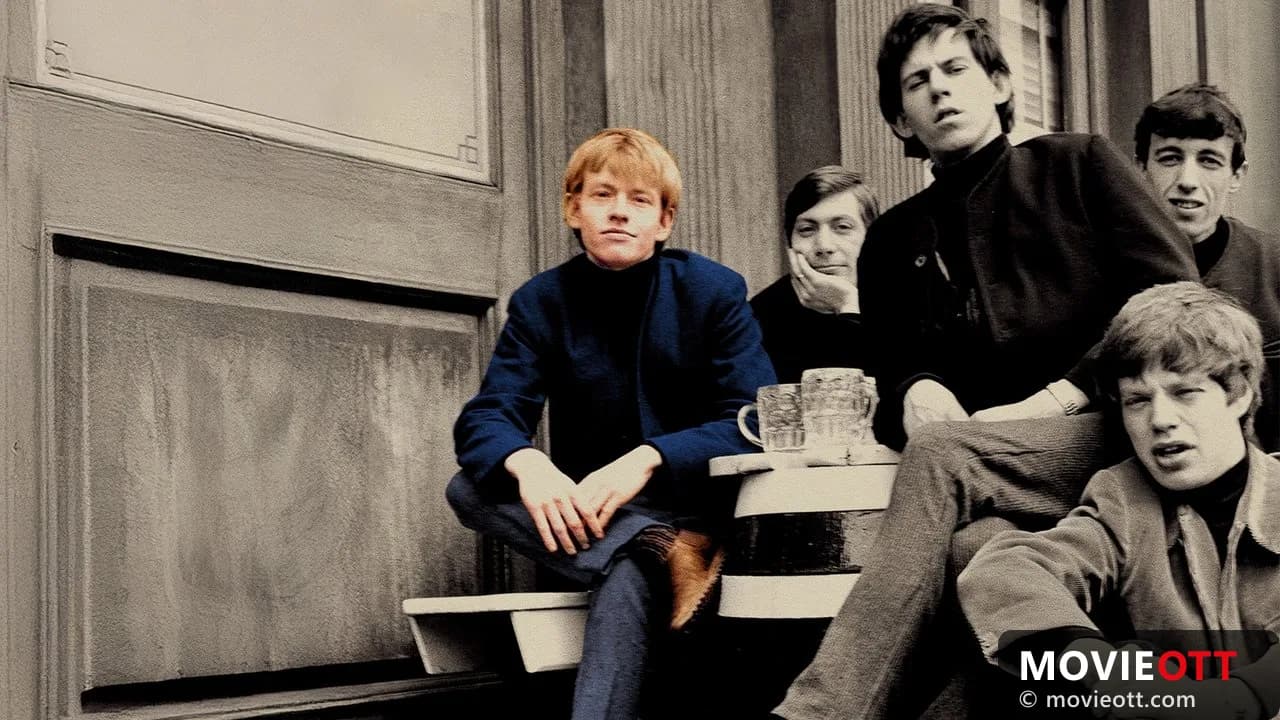
The Rolling Stones didn't emerge fully formed from the London blues clubs of the early 1960s. They were built—sometimes awkwardly, sometimes brilliantly—by five men learning to play together, compete with each other, and figure out what rock and roll could actually be. The Stones and Brian Jones centers on those crucial formative years, when the band's sound was still being forged and the personalities that would define them were still negotiable. The documentary examines the relationships and rivalries that shaped the Stones before they became the Stones, and it refuses to let Brian Jones fade into the background where rock history has too often left him. He wasn't just there at the beginning—he was the beginning, the guitarist and bandleader whose creative vision pulled the band toward the blues sound that would become their signature.
What makes this 93-minute film worth your time isn't just nostalgia or reverence for a legendary band. It's the honest look at how creative partnerships actually work when egos are young and hungry, when nobody's sure who's driving the bus, and when the music itself becomes the only thing that matters. The documentary doesn't shy away from the tension, the jealousy, or the moments when these musicians almost fell apart before they'd even really begun.
Behind the making of The Stones and Brian Jones
The Stones and Brian Jones comes from Lafayette Film, a production company known for music documentaries that take their subjects seriously rather than treating them as hagiography. Released in 2024, the film arrived at a moment when there's renewed interest in the Stones' mythology—partly nostalgia, partly a genuine hunger to understand how bands actually form and what makes certain creative partnerships stick. The IMDb rating of 7.1 suggests solid critical appreciation without the kind of universal acclaim that comes with a perfect documentary, which honestly feels right; this isn't a film trying to convince you of something you don't already believe, but rather offering new angles on a story you think you know.
The runtime of 93 minutes is deliberately compact. There's no padding here, no lingering on tangents just because the archival footage exists. Every scene serves the narrative of how Brian Jones and his bandmates became The Rolling Stones. The documentary draws on interviews, performance footage, and the kind of period detail that makes you feel like you're actually in those clubs and recording studios where the magic was happening. Without veering into awards-season territory, the film carries the weight of serious music journalism—the kind that respects its audience enough to assume they actually want to understand the creative process rather than just hear gossip about rock stars.
What makes The Stones and Brian Jones stand out
Here's what's striking about this documentary: it doesn't treat Brian Jones as a footnote or a cautionary tale. Instead, it argues—quietly but persistently—that his fingerprints are all over the Stones' early identity in ways that subsequent decades of rock mythology have tried to sand down or ignore. The film shows you how Jones heard the blues differently than his bandmates, how he pushed them toward certain sounds, how his taste in records and his restless creativity shaped what they became. It's not hagiography, exactly. The documentary doesn't pretend Jones was an easy person or that he didn't have problems, but it does insist that you can't understand the Stones without understanding him—and that's a genuinely useful reframing.
What I keep coming back to is how the film captures the sheer creative hunger of those early years. There's a scene where the band is working through a blues standard, and you can see them discovering something together in real time, the kind of collaborative moment that doesn't happen when you're already famous and locked into your roles. The performances (if you can call archival footage "performances") feel raw because they are—these are young musicians who haven't yet learned to be careful with their own genius. The documentary also doesn't shy away from the fact that some of the Stones' most famous early work emerged from this volatile mix of talent and tension. That's not a bug in the story; that's the whole point. You don't get Satisfaction or Sympathy for the Devil without the friction that made these five men push each other.
How to stream The Stones and Brian Jones online
The Stones and Brian Jones is currently available across major OTT services, which means you've got options depending on what platform you already subscribe to. Rather than guessing which service has it today (streaming rights shift constantly), Movie OTT maintains an up-to-date tracker showing exactly where this documentary is streaming right now—Netflix, Prime Video, or wherever it's landed in your region. The "Where to Watch" widget at the top of this page will show you the current availability, so you don't waste time hunting. At 93 minutes, it's a perfect length for a single sitting, the kind of documentary that doesn't demand a weekend commitment but absolutely rewards your attention when you do sit down with it.
Frequently asked questions
Q: Who directed The Stones and Brian Jones?
The documentary was produced by Lafayette Film, a production company specializing in music documentaries. While the specific director isn't highlighted in promotional materials, the film carries the hallmark of serious music journalism and archival expertise that Lafayette brings to its projects.
Q: Is The Stones and Brian Jones based on a true story?
Yes—it's a documentary, so it's built entirely from real history. The film examines the actual relationships, rivalries, and creative decisions that shaped The Rolling Stones during their formative years in the early 1960s, drawing on interviews and archival footage.
Q: What's the runtime of The Stones and Brian Jones?
The film runs 93 minutes, making it a compact but thorough exploration of the Stones' early years and Brian Jones's role in shaping the band's sound and identity.
Q: Where can I watch The Stones and Brian Jones?
The documentary is available on major OTT platforms. Check the "Where to Watch" widget on this page or visit Movie OTT to see current streaming availability in your region.
Q: Why is Brian Jones important to The Rolling Stones' history?
According to the documentary, Jones was the band's founder and key creative force in their early years, instrumental in steering them toward the blues sound that became their signature. He's often been overlooked in Stones mythology, and this film argues for his essential role in the band's formation and early success.
Final thoughts on The Stones and Brian Jones
If you're tired of Stones documentaries that treat the band as already-legendary figures, The Stones and Brian Jones offers something different. It catches them at the moment when they were still figuring out who they were, when Brian Jones was still essential, when the outcome wasn't inevitable. That's not just music history—that's the story of how creativity actually works. Watch it, and you'll hear those early Stones records differently afterward. That's the mark of a documentary that's done its job right.