

The Story of The Stranger: A Nazi in Plain Sight
The Stranger opens with a deceptively simple premise that unfolds into something far more sinister. An investigator named Wilson, working for the War Crimes Commission, arrives in the quiet college town of Harper, Connecticut, on the trail of Franz Kindler—a man believed to have architected the entire infrastructure of Nazi death camps. The catch? Kindler isn't hiding in some remote bunker. He's living openly, disguised as a distinguished professor, engaged to the daughter of a Supreme Court Justice. What starts as a manhunt becomes a psychological cat-and-mouse game played out in the manicured lawns and drawing rooms of American respectability. The film doesn't waste time on exposition; it trusts the audience to understand that evil doesn't always announce itself.
Behind the Making of The Stranger: Welles, Robinson, and a Historical First
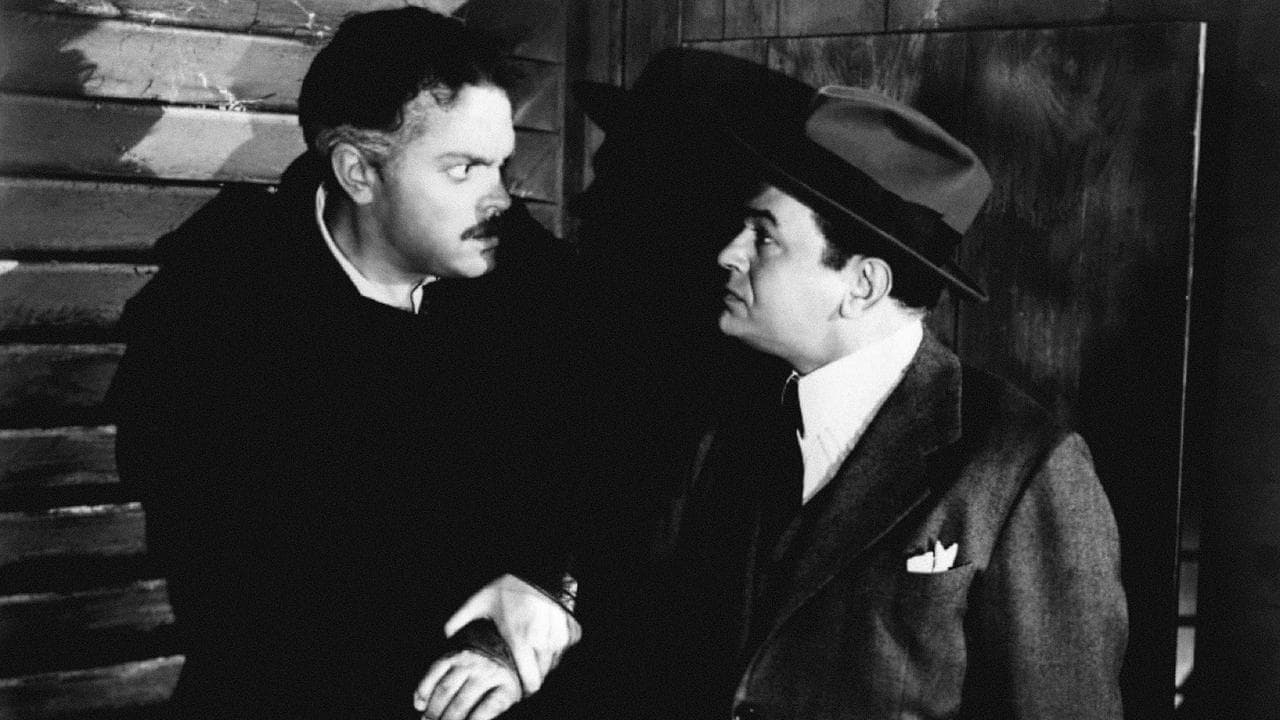
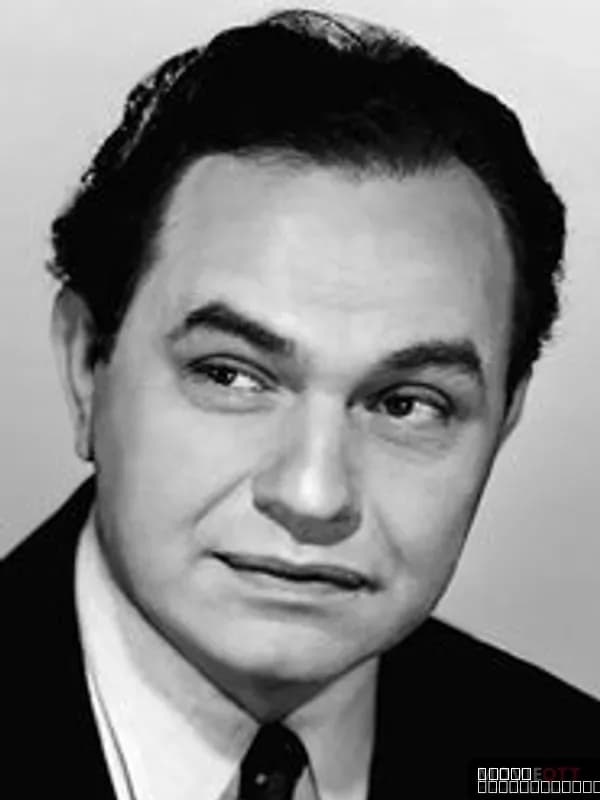
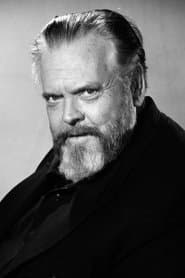
Orson Welles was only 30 years old when he directed The Stranger in 1946, and it marked both his third completed feature film as director and his first venture into film noir territory. The production brought together a powerhouse cast: Welles himself in the lead role of Professor Charles Rankin (Kindler's alias), Edward G. Robinson as the relentless investigator Wilson, and Loretta Young as the professor's unsuspecting fiancée. Robinson, already a veteran of crime dramas and gangster films, brought a weathered intensity to the role—Variety reported that his performance anchored the film's moral center, the only character who can see through the mask. Young, meanwhile, had to navigate the impossible task of playing a woman caught between love and horrifying truth. The film was produced by International Pictures and The Haig Corporation, and it ran 95 minutes—lean and taut by design. What made The Stranger historically significant wasn't just its star power or Welles's direction: it was the first Hollywood film to incorporate actual documentary footage of the Holocaust, footage so raw and devastating that it still shocks viewers today. This wasn't gratuitous—it was necessary, a refusal to let audiences remain comfortable with the abstract concept of Nazi atrocities.
What Makes The Stranger Stand Out: Craft, Performance, and Moral Weight
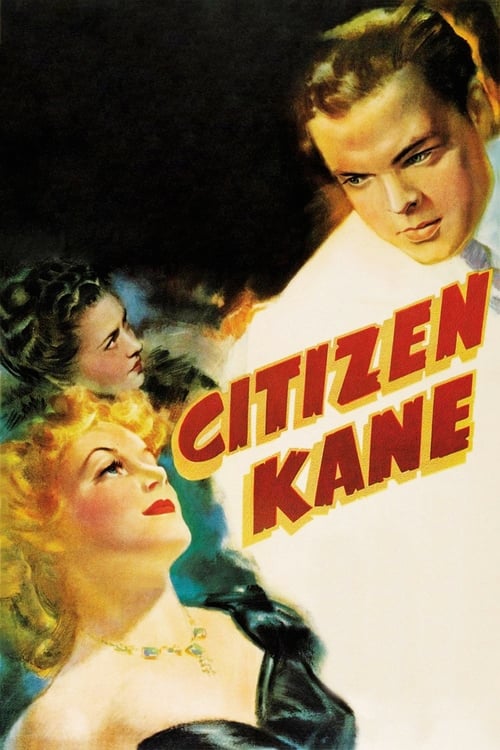
What's striking about The Stranger is how it refuses to sensationalize its subject matter. The cinematography—handled with Welles's characteristic visual intelligence—creates a world that looks normal, almost boring, which makes the revelation of evil lurking beneath it all the more unsettling. There's a famous scene involving a church clock tower that's become iconic in film noir circles; the way Welles frames it, the mechanical precision of the mechanism becomes a metaphor for the systematic thinking that enabled genocide. Robinson's performance is the real engine here. He doesn't play Wilson as a heroic action figure—instead, he's methodical, patient, almost grandfatherly in his determination. The thing nobody mentions is how much of the film's tension comes from watching Robinson's face as he pieces together the truth. Welles, playing against type as the charming villain, is equally effective. He's not ranting or theatrical; he's sophisticated, urbane, almost reasonable in his evil. That's far more terrifying. The film walks a tightrope between being a thriller—and it absolutely works as one, with genuine suspense—and being a serious reckoning with what fascism looks like when it hides in plain sight. It doesn't quite achieve the artistic heights of Welles's Citizen Kane, but it's more focused, more urgent. The IMDb rating of 7.2/10 doesn't fully capture how audiences respond to it; many viewers report that it lingers with them long after the credits roll.
Where to Stream The Stranger Online
The Stranger is available on major OTT services, making it easier than ever to experience this piece of cinema history from your couch. You can check the "Where to Watch" widget at the top of this page to see which streaming platforms currently have it in your region—availability shifts regularly, but the film's enduring cultural significance means it tends to rotate through the major services. If you're a serious film noir enthusiast or someone interested in Welles's career arc, Movie OTT tracks streaming availability across platforms so you don't have to hunt down where titles are hiding. The fact that a 1946 film is still being actively distributed and rediscovered speaks to its quality.
Frequently Asked Questions
Q: Who directed The Stranger?
Orson Welles directed and co-wrote The Stranger. It was his third completed feature film as a director and his first film noir, establishing him as a versatile filmmaker beyond the artistic ambitions of Citizen Kane.
Q: Is The Stranger based on a true story?
While the film isn't adapted from a specific real event, it was inspired by the actual hunt for Nazi war criminals after World War II. The War Crimes Commission depicted in the film was real, and the fear that high-ranking Nazis might be hiding in plain sight was a genuine concern in 1946 America.
Q: What makes The Stranger historically important?
It was the first Hollywood film to incorporate actual documentary footage of the Holocaust. This wasn't done for shock value but to confront audiences with the historical reality of Nazi atrocities, making the film's thriller plot feel weightier and more morally urgent.
Q: How long is The Stranger?
The film runs 95 minutes, making it a tight, economical thriller that doesn't overstay its welcome. Every scene serves the narrative momentum.
Q: Where can I watch The Stranger?
The Stranger is currently available on major OTT platforms. Check the streaming availability widget on this page to see which service has it in your region right now.
Final Thoughts: Who Should Watch The Stranger
If you're drawn to classic film noir, Orson Welles's filmography, or historical thrillers with moral weight, The Stranger deserves your time. It's not a perfect film—some pacing issues in the middle drag slightly—but it's a necessary one. It's the kind of movie that makes you understand why people still care about 1940s cinema. Don't approach it expecting a typical cat-and-mouse thriller; expect something more unsettling, a film that asks uncomfortable questions about how evil can hide behind respectability and charm. That's what makes it worth seeking out.