The Story of The Stroll and Trans History in New York
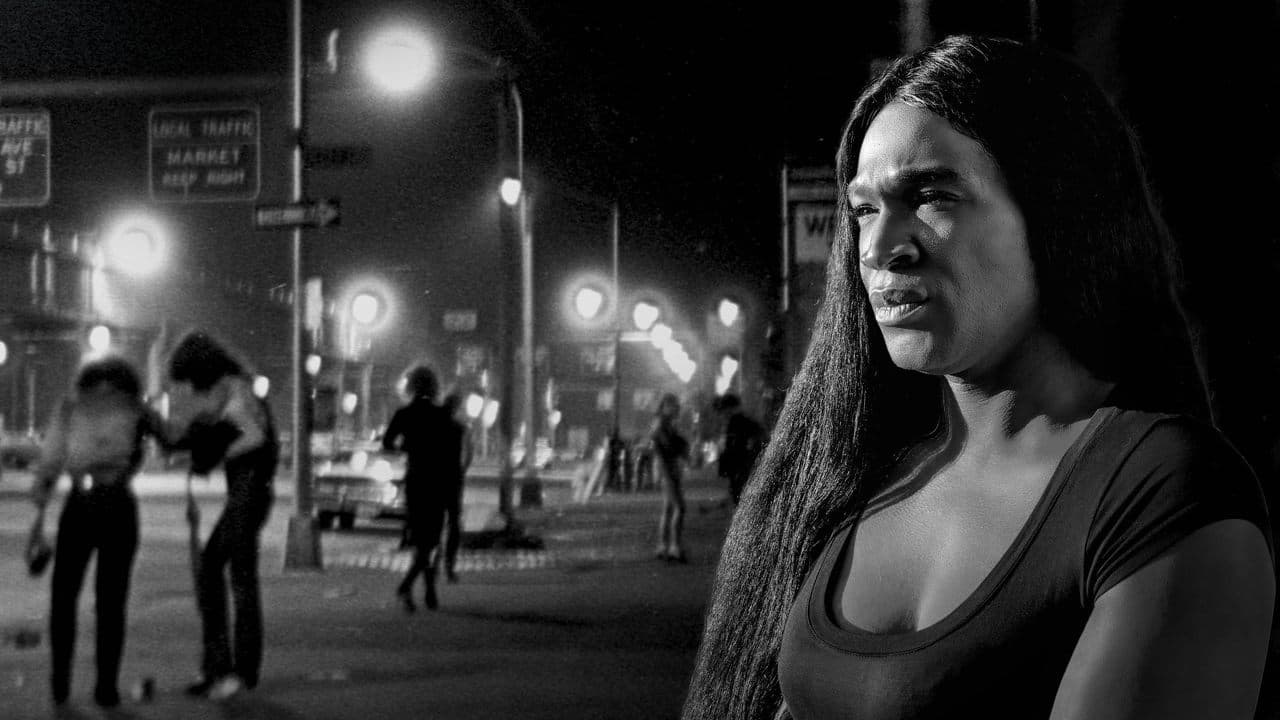
The Stroll tells the history of New York's Meatpacking District through the eyes of the people who actually lived it—specifically, the Black and Latina trans women who worked the streets there during the 1980s and 1990s. Director Kristen Lovell, who spent a decade walking those same blocks, reunites her community to recount decades of violence, police harassment, homelessness, and the relentless gentrification that transformed the neighborhood. It's not a detached historical account. This is testimony. The film centers the voices that mainstream histories have always left out, letting these women narrate their own stories of survival, resistance, and the grassroots movement for trans rights they built from the ground up. What emerges is both intimate and urgent—a portrait of resilience under conditions most of us can barely imagine.
Behind the Making of The Stroll and Its Critical Success
The Stroll is a co-production from HBO Documentary Films, Kingdom Reign Entertainment, and Polari Pictures, directed by Kristen Lovell and Zackary Drucker. Lovell's decade-long presence in the community lends the film an authenticity that's hard to fake—she wasn't parachuting in to document poverty; she was there, walking alongside these women, building trust. The 86-minute runtime is lean and purposeful, never padding the narrative. Released in 2023, the film has already earned serious recognition: it holds a 95% rating on Rotten Tomatoes (Fresh), a 76 Metascore, and an IMDb rating of 7.2 out of 10 from nearly 900 votes. The film won five awards and received two additional nominations, cementing its place in contemporary documentary cinema. That kind of critical consensus—across mainstream critics, festival juries, and audience voters—doesn't happen by accident. It happens when a film gets something fundamentally right.
What Makes The Stroll Stand Out Among Contemporary Documentaries
What's striking about The Stroll is how it refuses the savior narrative. There's no white do-gooder coming to rescue these women. There's no condescension baked into the framing. Instead, Lovell and Drucker step back and let their subjects lead—and these are people with sharp analysis, dark humor, and a clear-eyed understanding of how systems of power have conspired against them. The film doesn't shy away from the violence: police brutality, sexual assault, the casual dehumanization that comes with criminalization. But it also captures the joy, the chosen family, the defiant laughter. That balance—refusing both exploitation and sentimentality—is rare. Critics have responded to this restraint. The 95% Rotten Tomatoes score reflects the fact that The Stroll works as both urgent political testimony and as cinema, which is harder than it sounds. You'll notice the film doesn't rely on talking-head interviews alone; there's archival footage, photographs, and moments of reflection that let the audience sit with what they're hearing. That's craft. The performances—and yes, that's the right word for this kind of documentary testimony—anchor everything. These women aren't performing for the camera. They're sharing, and that vulnerability is what makes the film so powerful.
Where to Stream The Stroll Online
The Stroll is available on major OTT platforms, and you can check the "Where to Watch" widget at the top of this page to see current availability in your region. Since streaming rights shift seasonally, Movie OTT keeps a live tracker of which services are carrying the film right now—HBO+ is a natural home for HBO Documentary Films releases, but availability varies by country and subscription tier. If you're looking for where to catch it, the widget will show you exactly which platforms have it today, so you don't waste time searching.
Frequently asked questions
Q: Who directed The Stroll?
The Stroll was directed by Kristen Lovell and Zackary Drucker. Lovell spent over a decade embedded in the Meatpacking District community, which gave her the trust and access to make this film.
Q: What time period does The Stroll cover?
The film focuses primarily on the 1980s and 1990s in New York's Meatpacking District, though it also traces how that history connects to the present day and the ongoing fight for trans rights.
Q: Is The Stroll based on a true story?
The Stroll is a documentary, so it's entirely based on true events and firsthand accounts from the trans women who lived through this history. It's not dramatized—these are real people telling their real stories.
Q: How long is The Stroll?
The film runs 86 minutes, making it a lean, focused documentary that doesn't overstay its welcome.
Q: What awards has The Stroll won?
The Stroll has won five awards and received two nominations since its 2023 release, with a 95% rating on Rotten Tomatoes and a 76 Metascore, reflecting strong critical consensus.
Final Thoughts on The Stroll
If you want to understand contemporary trans history—not the sanitized version, but the real one, messy and defiant and full of specificity—The Stroll is essential viewing. This isn't a film that preaches. It listens. And in listening, it does something rarer: it honors the people who built a movement while the rest of the world wasn't paying attention. Watch it. Then recommend it to someone else.