






The Story of The Terror Experiment
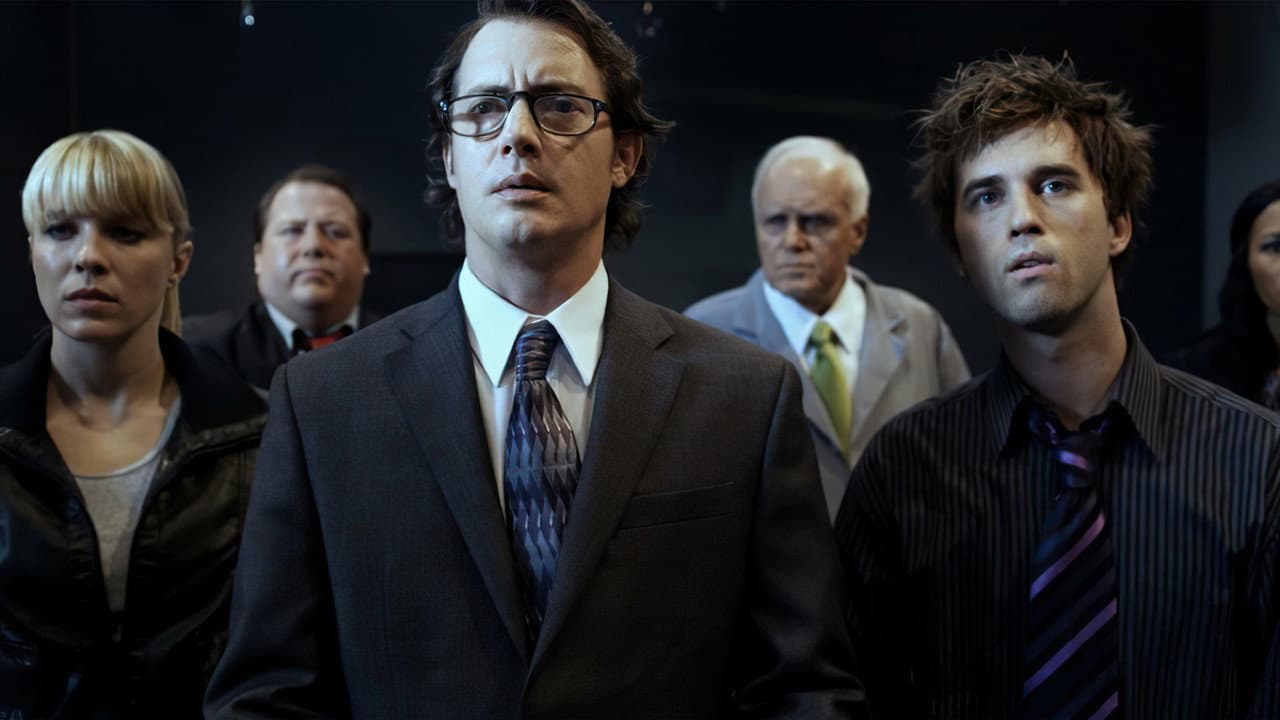
The Terror Experiment opens with a premise that feels ripped from a post-9/11 anxiety dream: a terrorist action triggers the release of a classified government virus inside the Houston Federal building. Within minutes, the virus does its work. Employees become aggressive, unpredictable, homicidal. The infected don't just get sick—they become weapons. Federal officials respond with brutal efficiency: seal the building, quarantine everyone inside, and wipe out the contaminated population to control the narrative. But there's a catch. A small group of workers never got exposed. They're uninfected, trapped, and fighting not just the virus-ravaged masses around them but the government's own lethal containment protocol. It's a claustrophobic nightmare where the real threat isn't always clear—is it the virus, or the people in charge?
Behind the Making of The Terror Experiment
The Terror Experiment arrived in 2010 as a collaboration between Remember Dreaming Productions, Freefall Films, MKM, and The Cartel. The film clocks in at 83 minutes—lean, direct, no fat. That runtime works in its favor; there's no room for meandering subplot, just relentless forward momentum. The production came together during a period when found-footage and low-budget horror were starting to fracture into different camps: some filmmakers were chasing authenticity and realism, while others leaned harder into genre spectacle. The Terror Experiment sits somewhere in between, treating its outbreak scenario with seriousness even as it embraces action-thriller pacing. The cast wasn't made up of A-list names, which meant the filmmakers could focus on ensemble dynamics rather than star power. No major awards recognition followed—this wasn't a film built for festival circuits or Oscar consideration—but that wasn't the goal. The production was aiming for a specific audience: people who wanted a quick, intense ride through a bio-terror scenario without apology or pretense.
What Makes The Terror Experiment Stand Out
What's striking about The Terror Experiment is how it refuses to let viewers settle into comfortable moral territory. You can't root for a simple "good guys versus bad guys" narrative because everyone's compromised. The infected are victims of a government experiment, yes, but they're also immediate threats. The federal officials contain the outbreak, sure, but they're willing to sacrifice innocent people to keep it quiet. The uninfected survivors want to escape, which is sympathetic, except they're also stepping over corpses and making impossible choices. That moral ambiguity—the way the film doesn't hand you a hero to cheer for—is what lingers after the credits roll. The pacing doesn't let you catch your breath either. Once the virus spreads, the movie becomes a series of escalating encounters: narrow hallways, locked doors, infected coworkers who used to be human, government soldiers who don't distinguish between the sick and the well. It's not a film that's interested in philosophical debates about bioweapons or government overreach. It wants to put you in the building, make you sweat, force you to make the same impossible calls the characters do. The 4.1 IMDb rating suggests it's divisive—some viewers found it effective, others thought it was too blunt or too familiar. That split reaction is actually a sign the film is doing something.
Where to Stream The Terror Experiment Online
The Terror Experiment is currently available on major OTT services, and the Movie OTT "Where to Watch" widget at the top of this page will show you exactly which platforms have it in your region right now. Streaming rights shift constantly—a title might be on Netflix one month and move to Prime Video the next—so rather than listing specific services here, it's worth checking that widget before you settle in to watch. Movie OTT tracks current availability across all the major streaming platforms, so you won't waste time searching. The film's 83-minute runtime makes it a perfect fit for a weeknight viewing session; you're not committing to a 10-hour prestige drama. Just hit play, and you're done before 10 PM.
Frequently asked questions
Q: Is The Terror Experiment based on a true story?
No, it's a fictional scenario. The plot—a government bioweapon released in a federal building—is entirely invented, though it taps into real anxieties about bioterrorism and government secrecy that were especially potent in 2010.
Q: Who directed The Terror Experiment?
The film was directed as a collaborative effort by the production companies Remember Dreaming Productions, Freefall Films, MKM, and The Cartel. It's not a single auteur project, which is reflected in its straightforward, efficient approach to the material.
Q: How long is The Terror Experiment?
The film runs 83 minutes, making it a lean, fast-paced thriller that doesn't overstay its welcome. That brevity works in its favor—there's no downtime to break the tension.
Q: What's the tagline for The Terror Experiment?
The official tagline is "Terror is contagious," which works on two levels: the virus spreads physically, but so does the panic, paranoia, and violence it triggers among the trapped survivors.
Q: Why does The Terror Experiment have such a low IMDb rating?
With a 4.1/10 rating, the film clearly didn't land for most viewers. Some found the premise derivative, others felt the execution was too blunt or the characters too thin. But low ratings don't always mean a film isn't worth watching—sometimes they just mean it's niche, or it doesn't conform to what mainstream audiences expect from horror-thrillers.
Final Thoughts on The Terror Experiment
The Terror Experiment isn't a masterpiece. It's not going to reshape how you think about horror or bioweapon thrillers. But it's also not trying to be. What it is: a tightly wound 83-minute scenario that takes its premise seriously and doesn't blink away from the ugliness of that premise. If you're drawn to outbreak narratives, government conspiracy angles, or just want a film that moves fast and doesn't waste time on exposition, it's worth a watch. Check Movie OTT to see where it's streaming, settle in, and don't expect comfort—just expect motion, tension, and a scenario that doesn't let anyone off the hook.