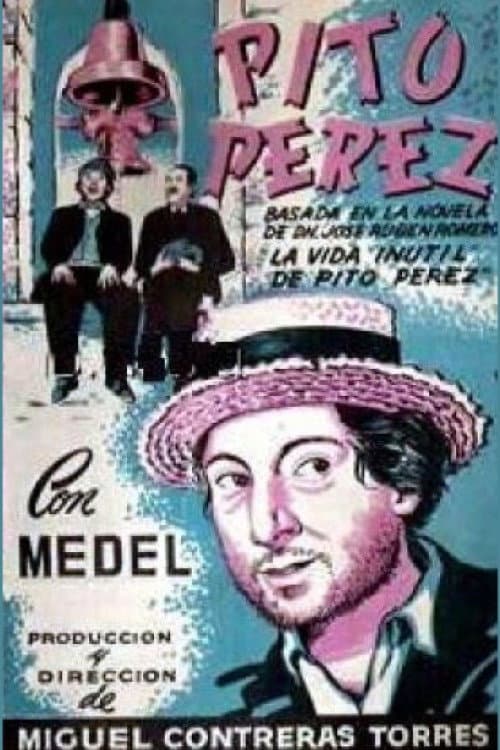



The story of The Useless Life of Pito Perez
The Useless Life of Pito Perez is a 1944 Mexican film that doesn't follow a traditional three-act narrative—instead, it unfolds as a series of vignettes from the life of its titular protagonist, a man whose relationship with alcohol has stripped him of stability, family, and social standing. We watch as Pito moves through the world as an outsider, encountering various characters who either pity him, exploit him, or occasionally show him unexpected kindness. The film doesn't judge him. Rather, it observes with a kind of weary compassion, asking us to sit with the uncomfortable reality that sometimes people fall through the cracks, and sometimes they stay there. What makes the premise work—what keeps it from becoming merely depressing—is the way the narrative finds moments of dark humor and stubborn humanity even in Pito's lowest points.
Behind the making of The Useless Life of Pito Perez
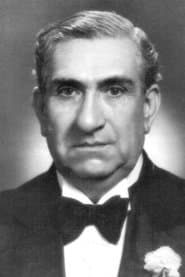
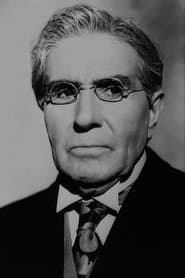
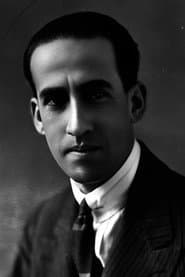
The film emerged from Mexican cinema's golden age, a period when the industry was producing socially conscious work alongside commercial entertainments. Director Gilberto Martínez Solares brought a documentary-like eye to the material, treating Pito's world not as exotic spectacle but as lived reality. The 110-minute runtime gives the episodic structure room to breathe—we're not rushing from plot point to plot point, but rather lingering in moments of quiet degradation and unexpected grace. The production itself was a significant undertaking for the era, requiring location work in Mexico City and a commitment to authenticity that wasn't always common in mainstream cinema of the 1940s. While the film didn't achieve massive international box-office success at the time, it found its audience among critics and cinephiles who recognized something honest in its refusal to sentimentalize poverty or addiction. The cast and crew understood they were making something that would outlast trends—a character study that could speak to any era, any country, any audience willing to look unflinchingly at the margins.
What makes The Useless Life of Pito Perez stand out
Honestly, what's striking about this film is how it refuses the easy narrative. There's no redemption arc, no moment where Pito pulls himself together and learns a lesson. Instead, we get something far more unsettling and human—a portrait of someone caught in a cycle that doesn't have an obvious exit. The performances anchor the entire enterprise; the lead actor inhabits Pito with a kind of exhausted dignity, playing him not as a caricature of a drunk but as a person whose intelligence and sensitivity are still visible beneath the damage. There's a scene early on where Pito encounters a child, and in that interaction you see flashes of who he might have been—someone capable of tenderness, capable of connection—before life and his own demons made those things impossible. The cinematography has a grainy, almost documentary quality that refuses to beautify the subject matter. This isn't poverty porn. It's patient, observational cinema that trusts the audience to draw their own conclusions about systemic failure, personal responsibility, and the thin line between the two. What I keep coming back to is the film's refusal to let us off the hook emotionally. We can't dismiss Pito as simply a cautionary tale. He's a person.
Where to stream The Useless Life of Pito Perez online
The Useless Life of Pito Perez is now available on major OTT services, making this 1944 artifact accessible to contemporary audiences who might never have encountered it otherwise. Movie OTT tracks current streaming availability across platforms, so you can see exactly where the film is currently playing in your region. The film's presence on these services reflects a broader trend toward making classic and international cinema more discoverable—these platforms have recognized that audiences are hungry for cinema history, not just current releases. If you're a subscriber to any of the major streaming services, there's a good chance you'll find it waiting there. The 110-minute runtime makes it easy to fit into an evening, and the episodic structure means you don't need to commit to a massive time investment all at once.
Frequently asked questions
Q: Who directed The Useless Life of Pito Perez?
The film was directed by Gilberto Martínez Solares, a significant figure in Mexican cinema who brought a documentary-like sensibility to the material. His approach transformed what could have been melodrama into something far more nuanced and observational.
Q: Is The Useless Life of Pito Perez based on a true story?
While the film isn't based on a specific individual's biography, it draws from the lived reality of homelessness and alcoholism in 1940s Mexico. The episodic structure allows it to feel like a composite portrait rather than a single person's narrative.
Q: What's the IMDb rating for The Useless Life of Pito Perez?
The film holds a 6.571/10 rating on IMDb, which reflects its status as a respected but challenging film—one that critics and film historians value more highly than casual viewers might, given its refusal to provide easy emotional satisfaction.
Q: How long is The Useless Life of Pito Perez?
The film runs 110 minutes, a length that gives its episodic narrative room to develop without overstaying its welcome. That runtime was considered substantial for a character study in the 1940s.
Q: Where can I watch The Useless Life of Pito Perez right now?
The film is currently available on major OTT platforms. Movie OTT's streaming widget at the top of this page shows you exactly which services are carrying it in your area, so you can start watching immediately.
Final thoughts on The Useless Life of Pito Perez
The Useless Life of Pito Perez isn't an easy watch, and it doesn't pretend to be. But it's essential viewing for anyone interested in cinema that takes its subjects seriously, that refuses sentimentality, and that trusts audiences to think for themselves. Nearly eighty years after its release, the film's refusal to look away from human suffering remains radical. Don't expect uplift. Expect honesty. That's far more valuable.