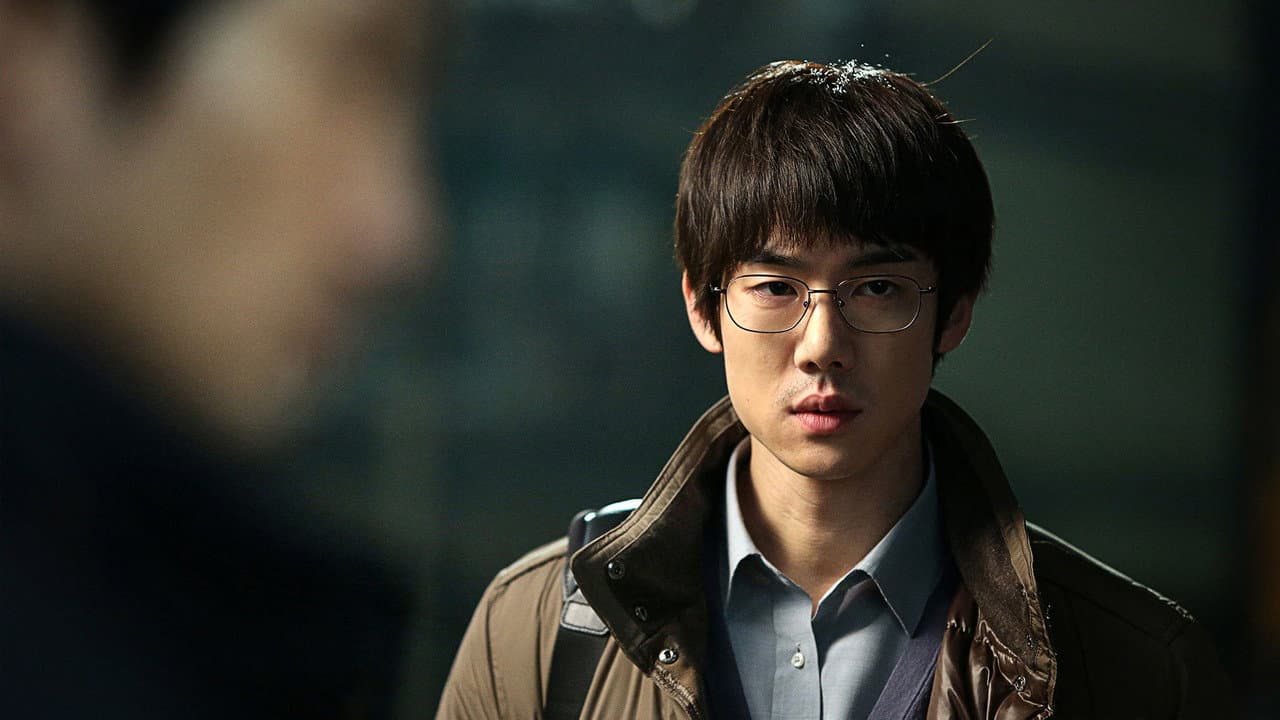
The Story of The Whistleblower
The Whistleblower tells the story of what happens when ambition meets deception at the highest levels of scientific research. Dr. Lee Jang-hwan has achieved something remarkable — or so the world believes. His successful cloning of human embryo stem cells has earned him widespread acclaim, media attention, and the kind of prestige that comes with groundbreaking discovery. But behind closed laboratory doors, something far darker is taking shape. When a TV news program producer named Yoon Min-cheol receives a mysterious phone call from an anonymous source claiming to have worked directly with Dr. Lee, everything changes. The caller has evidence. The caller has guilt. The caller has decided that the truth matters more than silence. What unfolds is a tense, methodical investigation into how one man's ambition to be remembered as a pioneer led him to fabricate results, cut corners, and engage in deeply unethical practices — all while the scientific establishment and media machinery celebrated his work.
How The Whistleblower Came Together
The Whistleblower emerged from Watermelon Pictures and Plus M Entertainment as a 113-minute drama that takes its inspiration from real events in the Korean scientific community. The film's 2014 release positioned it within a broader global conversation about research integrity and institutional accountability — themes that'd already begun surfacing in documentaries and investigative journalism. The cast and crew brought serious dramatic weight to the material, understanding that a story about fraud needs to be told with precision and moral clarity rather than sensationalism. While the film didn't dominate international box office charts, it found its audience among viewers interested in character-driven narratives about institutional failure and individual courage. The IMDb rating of 7.2/10 reflects the kind of solid, respectable reception that comes from a well-crafted drama that doesn't shy away from moral complexity. The screenplay understands that nobody wakes up planning to become a villain — they just make one compromise, then another, then another until they're too far gone to turn back.
What Makes The Whistleblower Stand Out
What's striking about The Whistleblower is how it resists the urge to turn this into a simple good-versus-evil morality play. The film spends real time with its characters, letting you understand not just what they do but why they do it. Dr. Lee isn't a cartoon villain twirling a mustache in his lab; he's a man caught between the pressure to deliver results, the weight of institutional expectations, and his own desperate need to matter. The producer Yoon Min-cheol isn't a fearless crusader from day one — he's someone who has to work up the courage to pursue a story that could destroy a national hero. I keep coming back to how the film captures that moment when a journalist realizes they've stumbled onto something real, something that matters, and that publishing it will have consequences they can't fully predict. The tension builds not through car chases or melodrama but through conversations, documents, and the slow accumulation of evidence. It's the kind of film that makes you think about institutional pressure, about how systems protect their own, and about what it actually costs someone to tell the truth when the truth is inconvenient. The performances carry this weight without ever feeling overwrought.
Where to Stream The Whistleblower Online
The Whistleblower is currently available on major OTT services, and you can check the "Where to Watch" widget at the top of this page to see exactly which platforms are streaming it in your region right now. Movie OTT tracks streaming availability across multiple services so you don't have to hunt through each app individually — just look at the widget and click through to your preferred platform. Since streaming rights shift regularly, it's worth checking that widget before you settle in, but the good news is that this film has found homes on several major services, making it relatively accessible for drama fans looking for something substantive and thought-provoking.
Frequently asked questions
Q: Is The Whistleblower based on a true story?
Yes, the film draws inspiration from real events in the Korean scientific community involving research fraud and the whistleblowers who exposed it. While the character names and some details have been changed, the core narrative reflects actual incidents that shook the country's scientific establishment.
Q: Who directed The Whistleblower?
The film was directed by the creative team behind Watermelon Pictures and Plus M Entertainment. It's a Korean production that brought together filmmakers committed to telling stories about institutional accountability.
Q: How long is The Whistleblower?
The film runs 113 minutes, which gives the story plenty of room to develop its investigation without feeling rushed or padded.
Q: What's the IMDb rating for The Whistleblower?
The film holds a 7.2/10 rating on IMDb, reflecting solid critical appreciation from viewers who value character-driven dramas about real-world issues.
Q: Why should I watch The Whistleblower if I'm not interested in science?
This isn't really a science movie — it's a drama about courage, institutional pressure, and the cost of telling the truth. If you've ever watched All the President's Men or Spotlight, you'll recognize the rhythm here: a careful investigation, mounting stakes, and the question of whether one person's conscience can stand against an entire system built to protect itself.
Who Should Watch The Whistleblower
If you're drawn to investigative dramas that build tension through conversation and evidence rather than explosions, The Whistleblower deserves your time. This is a film for anyone who's ever wondered what it takes to blow the whistle, what price truth-telling demands, and how institutions protect themselves when their reputation is threatened. It's patient. It's thoughtful. It trusts its audience to care about the moral questions without needing them spelled out. Not every film needs to be a spectacle — sometimes the most gripping story is just one person deciding that silence is no longer an option.