The story of The White Buffalo and its Moby Dick-inspired premise
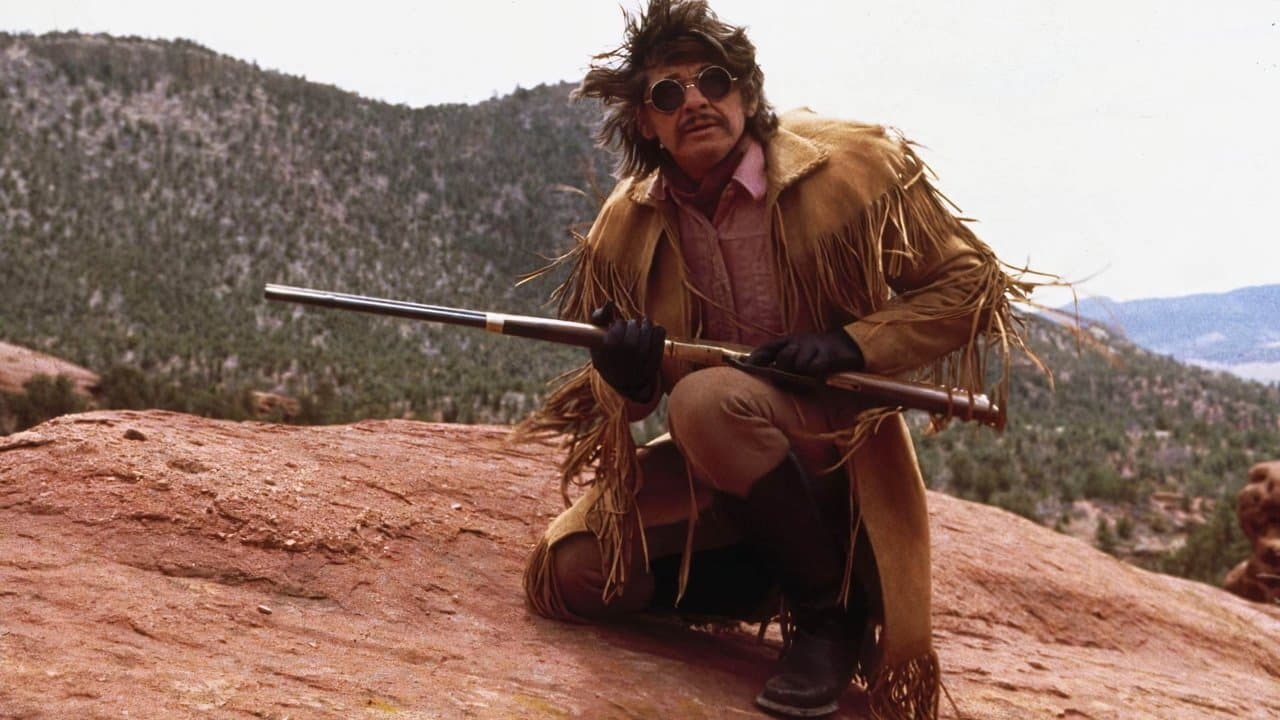
The White Buffalo arrives as something you don't see much anymore—a film that commits fully to its own strangeness without apology. Released in 1977 by The De Laurentiis Company, this 97-minute western takes the whale-hunting obsession of Melville's classic and transplants it wholesale onto the American frontier, complete with nightmares, frontier grit, and an unlikely alliance between two historical figures who probably never met. Wild Bill Hickok, haunted by recurring visions of a charging white beast, becomes convinced that hunting down this creature is the only way to find peace. His search takes him through the Black Hills—through dim, filthy taverns and freezing frontier towns that look less like the romantic West and more like places where people went to suffer.
What makes this setup work, at least in theory, is that it doesn't wink at the audience. There's no irony here. The film treats Hickok's obsession with the same gravity that Ahab's commands in the original novel. You're either on board with that commitment or you're not.
Behind the making of The White Buffalo and its cast pedigree
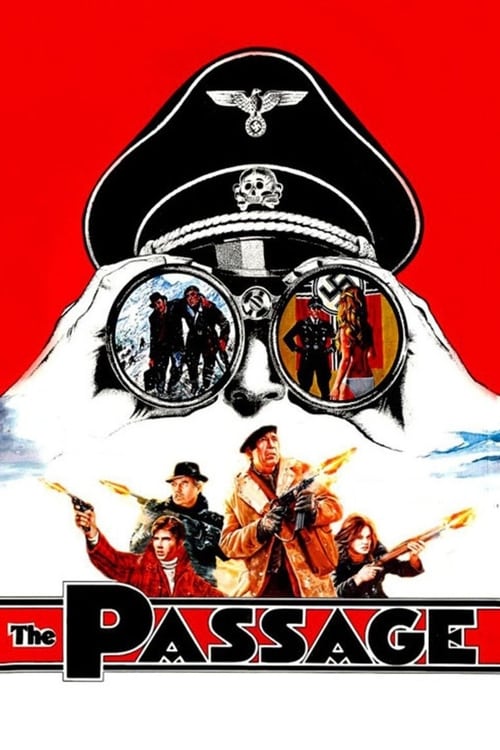
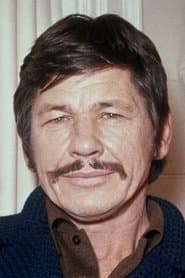
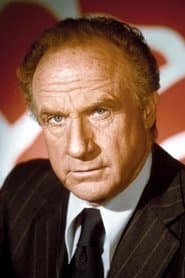
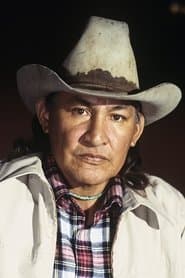
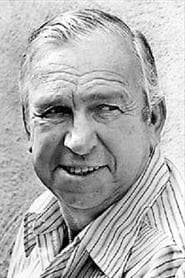
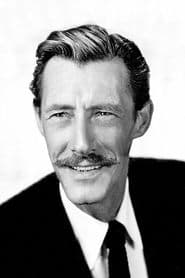
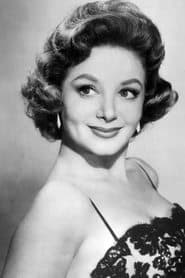
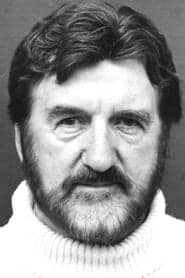
The White Buffalo came together under the production banner of Dino De Laurentiis, the Italian producer known for ambitious, sometimes wildly uneven genre pictures. The film's pedigree is solid: Charles Bronson, at the height of his post-Death Wish fame, carries the lead as Hickok, bringing his characteristic weathered intensity to a character consumed by something beyond rational explanation. Jack Warden plays his aging companion with the kind of weary humor that keeps the film grounded when it threatens to float away entirely into pure fever-dream territory. Will Sampson, best known for his role in One Flew Over the Cuckoo's Nest, takes on Crazy Horse, adding a layer of historical (if not strictly accurate) representation to the narrative.
The film's runtime of 97 minutes is lean enough to move, though the pacing sometimes stutters. It didn't set the box office on fire—1977 was a year of Star Wars and Close Encounters, and a revisionist western about hunting a mythical buffalo wasn't exactly a crowded marketplace concern. IMDb users have settled it at 6/10, which feels about right for a film that's genuinely trying something odd and lands roughly half the time. The production design, though, deserves mention: those locations aren't just set dressing. They're authentically grimy and desolate in ways that make the myth of the white buffalo feel almost plausible by comparison.
What makes The White Buffalo stand out as a strange, sincere western
Here's the thing about The White Buffalo that critics and casual viewers keep circling around without quite knowing what to do with it: it's bad in ways that are somehow fascinating. Not incompetent, but genuinely weird—the kind of film where you can't quite tell if you're watching something ahead of its time or just hopelessly confused about what it wants to be. The film doesn't play the white buffalo as metaphor in any subtle sense; it's just... there, charging through the narrative with the inevitability of fate. That's either inspired or ridiculous, and honestly, both readings feel defensible depending on what mood you bring to it.
What's striking is how seriously Bronson plays it all. There's no performance irony, no winking acknowledgment that this is a bit much. He's a man broken by visions, and he commits to that completely. The scenes where Hickok moves through those frontier towns—dim, filthy, makeshift places—have an almost hallucinatory quality that works in the film's favor. You're not watching a traditional western narrative so much as watching a man's obsession unfold across a hostile landscape. Sampson brings a quiet dignity to Crazy Horse that complicates the film's racial politics without quite resolving them. When these two finally team up—old enemies united against a common threat—there's something genuinely moving about it, even if the setup feels contrived.
The action sequences, when they arrive, have a brutal efficiency. This isn't a film interested in gunfight choreography or heroic posturing. It's interested in survival and the toll that obsession takes on a body. I keep coming back to the fact that the film doesn't try to make the white buffalo "realistic" or explain it away—it just is, and the characters respond to that reality with the same pragmatism they'd bring to any other hunt.
Where to stream The White Buffalo on major platforms
The White Buffalo is currently available on major OTT services, and if you're curious enough to track it down, that's half the battle. Movie OTT maintains a comprehensive tracker of where this and other titles are streaming, so you can check current availability without the guessing game. Since streaming rights shift constantly, the widget at the top of this page will show you exactly which platforms have it right now—whether that's a subscription service, rental option, or free tier. It's the kind of film that rewards patient hunting, much like Hickok's own quest, so it's worth knowing where to find it when the mood strikes.
Frequently asked questions
Q: Is The White Buffalo based on a true story?
No, though it borrows the historical names of Wild Bill Hickok and Crazy Horse. The white buffalo itself is entirely fictional—a reimagining of Moby Dick's obsessive hunt, transplanted to the American frontier.
Q: Who directed The White Buffalo?
J. Lee Thompson, a prolific director known for action and adventure films, helmed this 1977 production. He brought a straightforward approach to the material that serves the film's earnest weirdness well.
Q: How long is The White Buffalo?
The film runs 97 minutes, a lean runtime that moves through its premise without much padding or exposition.
Q: What's the IMDb rating for The White Buffalo?
The film sits at 6/10 on IMDb, reflecting its status as a divisive, flawed-but-interesting oddity that some viewers find compelling and others find baffling.
Q: Is The White Buffalo a good movie?
That depends entirely on your tolerance for sincere, strange westerns that don't quite land all their swings. If you enjoy films that commit fully to unconventional premises, it's worth your time.
Final thoughts on The White Buffalo
The White Buffalo isn't a film for everyone. It's slow in places, conceptually odd, and doesn't resolve its tensions neatly. But there's something admirably stubborn about it—a 1977 film that refuses to be either a straight western or a campy retelling, instead existing in this awkward, compelling middle ground where obsession and myth feel equally real. If you've exhausted the usual streaming catalog and want something that'll stick with you (and confuse you in equal measure), this deserves your attention. It's the kind of film that sticks around in your head, not always comfortably.