The story of The White House: Behind Closed Doors
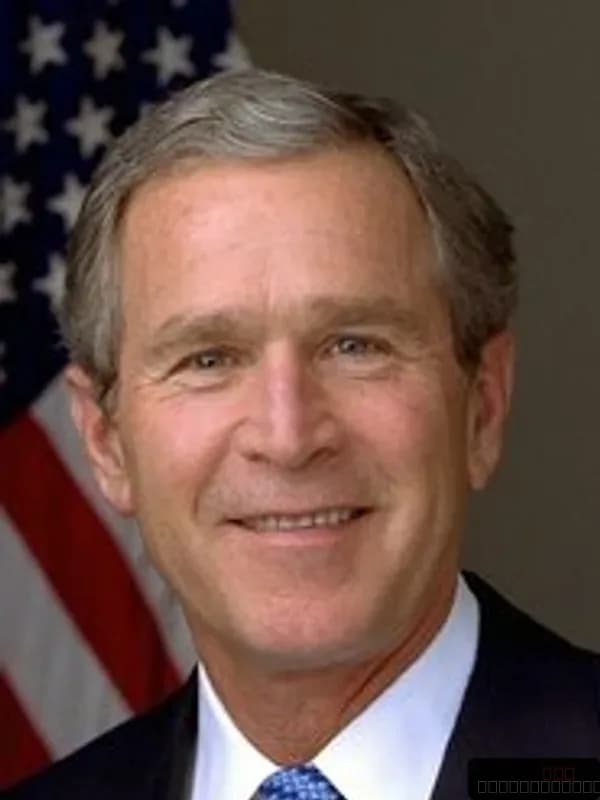
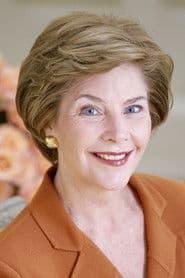
The White House: Behind Closed Doors offers something genuinely unusual—a personal, behind-the-scenes look at America's most iconic building through the eyes of those who lived there. Rather than a dry historical recitation or a political documentary, director Dana Calderwood's 2008 film centers on President George W. Bush and Laura Bush as they guide viewers through the residence, sharing anecdotes and reflections about what it meant to inhabit this space during their years in office. It's not a tell-all exposé. Instead, it's an intimate portrait of the building itself, the rooms where decisions were made, and the quieter moments that humanize the presidency in ways most documentaries don't attempt.
What makes this approach compelling is its restraint. Rather than focusing on scandal or controversy, the film lets the Bushes speak to their own experience of the White House as a home—a place where family dinners happen, where guests are entertained, where history accumulates in the walls themselves. You'll see the Oval Office, the residence quarters, the gardens, and the ceremonial spaces, but always filtered through personal memory and genuine reflection.
Behind the making of The White House: Behind Closed Doors
Director Dana Calderwood brought a documentary sensibility to what could've been a straightforward promotional piece. The 66-minute runtime keeps things focused and digestible—no bloat, no unnecessary padding. Calderwood's approach was to let the space and the subjects speak naturally rather than impose a heavy narrative framework. The film was produced during the final years of the Bush presidency, capturing a moment when the administration's tenure was winding down and reflection came more naturally.
The casting here is, obviously, the Bushes themselves. George W. Bush and Laura Bush aren't professional actors, which is precisely the point. What you're watching is two people talking about their home, their experiences, and the weight of living in a building that belongs to the nation. Laura Bush, in particular, brings a thoughtful, measured quality to her commentary—she's clearly thought deeply about what the White House meant to her family. The film doesn't have theatrical release box office numbers or major awards recognition, but it's found an audience on streaming platforms and among viewers interested in presidential history and architecture.
It's worth noting that this isn't a partisan attack or defense. The documentary simply exists in a different register than most political content. It's architectural, domestic, and reflective rather than argumentative. That positioning—neither hagiography nor hatchet job—is what gives it longevity.
What makes The White House: Behind Closed Doors stand out
Honestly, the thing that strikes you most is how the film treats the White House as a character in its own right. Rooms have stories. Hallways have memory. The documentary format allows for quiet moments—watching Bush walk through a corridor, pausing to remember something, without voiceover explaining what he's feeling. That restraint is rare in political documentaries, which tend to either lionize or skewer their subjects.
What's particularly effective is how the film captures the tension between the White House as a historical monument and the White House as someone's actual residence. You're not just seeing the public spaces; you're seeing the private quarters, the family areas, the places where the Bushes lived their daily lives while also carrying the weight of the office. Laura Bush's commentary about raising children in the residence, about maintaining some sense of normalcy in an abnormal setting—that's the human core that makes the documentary work. It's not trying to convince you of anything political. It's simply asking: what's it like to live here?
The cinematography is clean and respectful without being overly reverent. Rooms are lit well enough to see them clearly, but there's no gaudy golden-light treatment that some documentaries use to inflate importance. The pacing allows viewers to actually absorb what they're seeing rather than rushing through a checklist of rooms. I keep coming back to a moment where Bush describes the weight of decision-making in the Oval Office—not in a dramatic way, just as a fact of the space itself.
Where to stream The White House: Behind Closed Doors online
The White House: Behind Closed Doors is currently available on Disney+, making it accessible to millions of subscribers looking for documentary content beyond the usual true-crime or nature offerings. If you're browsing for presidential history or architecture documentaries, Movie OTT tracks current streaming availability across platforms, so you can confirm availability in your region before starting. The 66-minute length makes it perfect for a single sitting—it won't demand a major time commitment, but it'll give you something substantive to think about afterward.
Disney+'s documentary library has expanded significantly, and this film fits comfortably within their offerings for viewers interested in American history and institutional deep-dives. The where-to-watch widget at the top of this page will show you current availability across all streaming services.
Frequently asked questions
Q: Who directed The White House: Behind Closed Doors?
Dana Calderwood directed the documentary, bringing a thoughtful, intimate approach to the subject matter rather than a sensationalized or overly political angle.
Q: How long is The White House: Behind Closed Doors?
The film runs 66 minutes, making it a lean documentary that respects the viewer's time while still providing substantive content about the residence and the Bushes' experience living there.
Q: Is The White House: Behind Closed Doors available to stream?
Yes, the documentary is currently available on Disney+. Check the where-to-watch widget on this page for real-time availability on other platforms in your region.
Q: What is the IMDb rating for The White House: Behind Closed Doors?
The film holds a 7.9/10 rating on IMDb based on viewer votes, indicating solid reception among those who've watched it.
Q: Is this documentary political or neutral?
The documentary takes a reflective, personal approach rather than a partisan stance. It focuses on the White House as a home and historical space, with the Bushes sharing their own experiences rather than making political arguments.
Final thoughts on The White House: Behind Closed Doors
If you're interested in presidential history, American architecture, or simply want to see inside the White House through an intimate lens—this film's worth your time. It won't satisfy viewers looking for scandal or hard-hitting political critique. But if you're curious about what it actually feels like to live in the nation's most famous residence, and you want to hear from the people who've done it, there's real value here. The documentary respects both its subject and its audience, which isn't always common in this space. Quiet, thoughtful, and genuinely interesting.