



The story of The Wolf of Wall Street
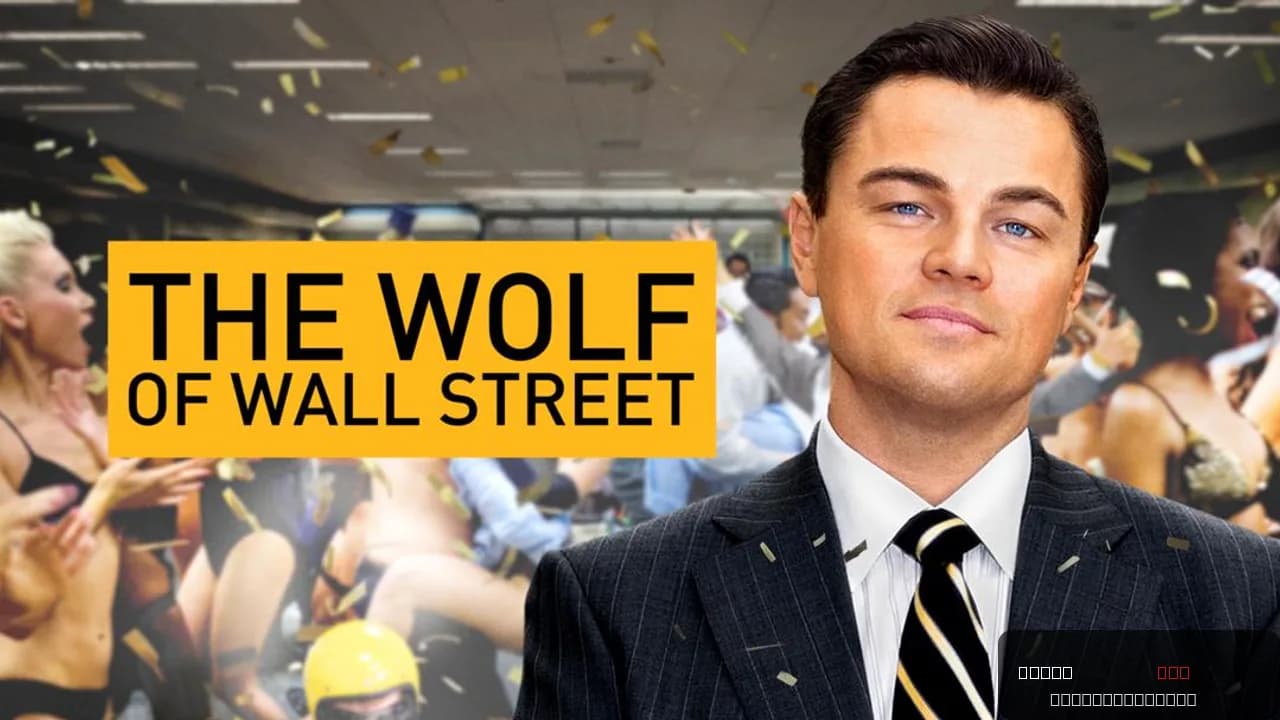
The Wolf of Wall Street follows Jordan Belfort, a charismatic New York stockbroker who builds the brokerage firm Stratton Oakmont from nothing while still in his early twenties. What starts as ambition curdles into something darker — a relentless descent into drug addiction, sexual excess, and financial fraud so brazen it almost seems fictional. Except it isn't. Belfort's real story, told through his 2007 memoir, becomes Scorsese's canvas for exploring how corruption metastasizes when nobody's watching — or worse, when everybody's watching and nobody cares. The SEC and FBI close in as Belfort's empire spirals, but by then the damage, both to his world and his soul, is already done. No major plot twists waiting. Just the slow-motion car crash of a man who had everything and burned it all down.
Behind the making of The Wolf of Wall Street
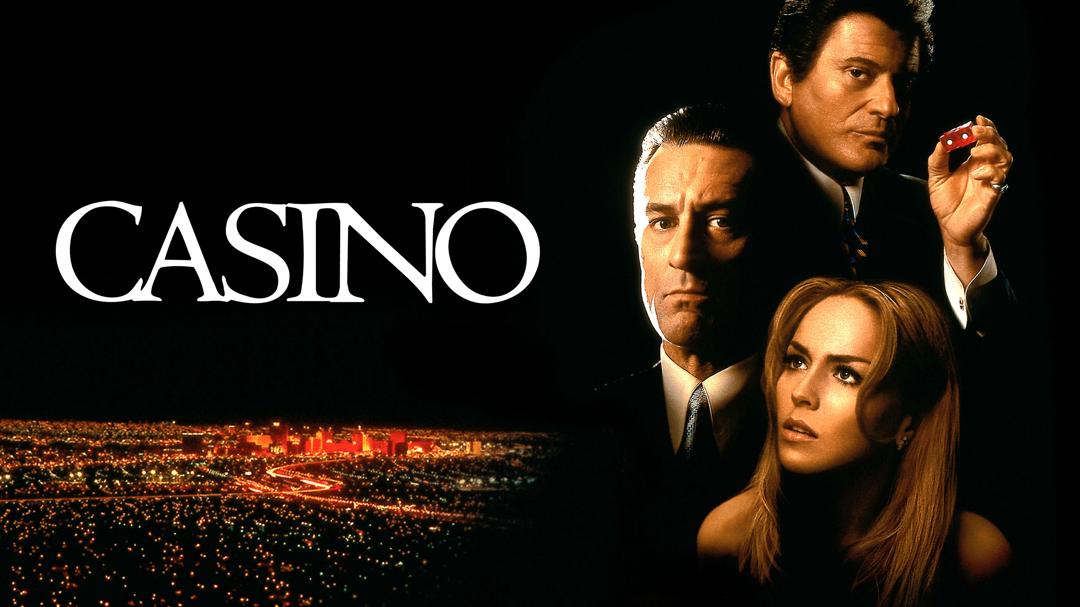
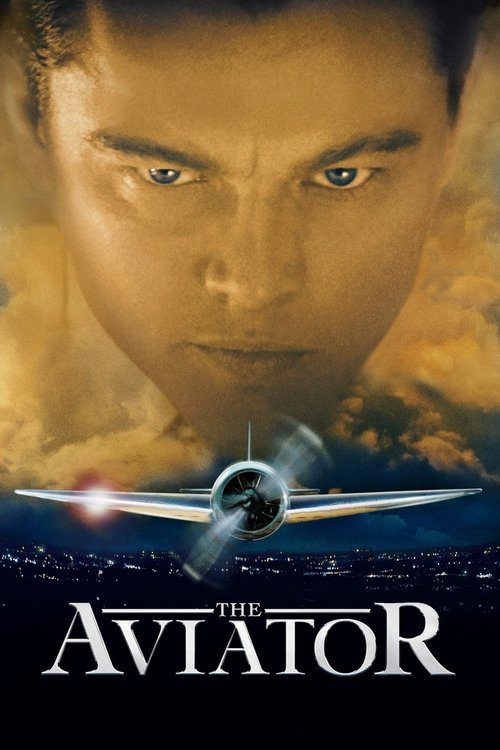
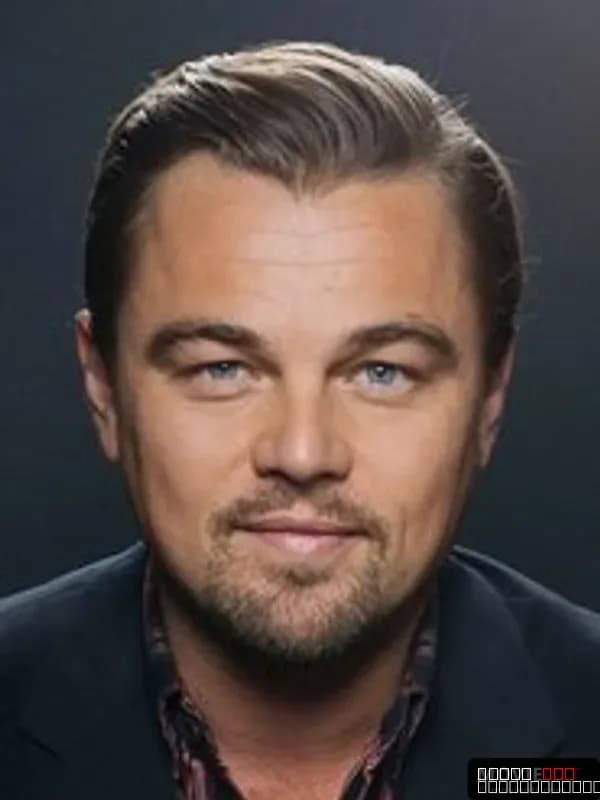
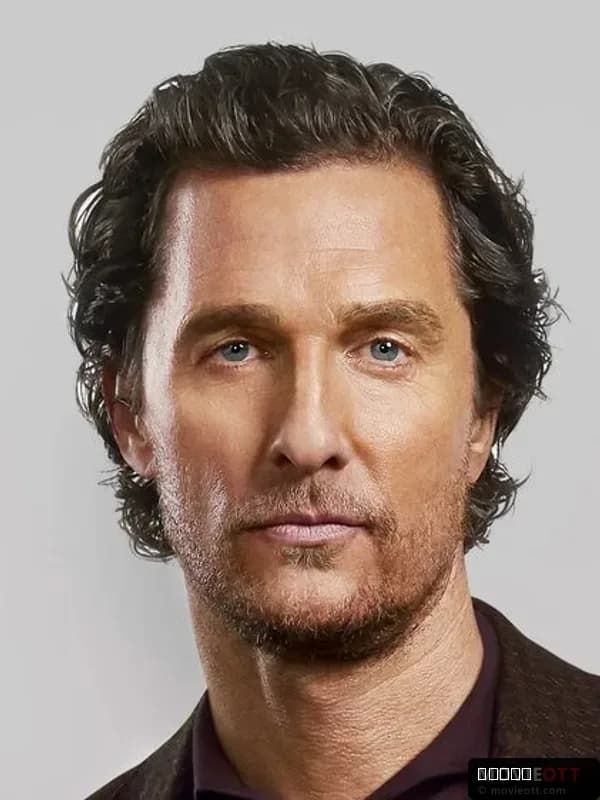
Martin Scorsese directed The Wolf of Wall Street from a screenplay by Terence Winter, marking the director's fifth collaboration with Leonardo DiCaprio — a partnership that had already produced Casino, The Aviator, and Shutter Island. The film arrived in 2013 as an ambitious three-hour biopic (179 minutes, to be exact) that refused to apologize for its runtime or its subject matter. DiCaprio earned an Academy Award nomination for Best Actor, while Jonah Hill, playing Belfort's business partner Donnie Azoff, also received a nomination for Best Supporting Actor. The supporting cast bristles with talent: Margot Robbie as Naomi Lapaglia, Matthew McConaughey in a scene-stealing turn as Belfort's mentor Mark Hanna, Kyle Chandler as FBI Special Agent Patrick Denham, and Rob Reiner in a smaller but memorable role.
The film received widespread critical acclaim, with an 8.1 IMDb rating and strong recognition from major award bodies, though it faced criticism for its R rating (driven by language, graphic nudity, and drug use) and questions about whether it glorified rather than critiqued its protagonist. Box office success was substantial — the film grossed over $392 million worldwide, proving that audiences had an appetite for Scorsese's particular brand of excess. That's a striking number for a nearly three-hour crime drama. The film's willingness to show everything — the orgies, the cocaine, the moral bankruptcy — without flinching became both its calling card and its lightning rod.
What makes The Wolf of Wall Street stand out
What's striking is how Scorsese lets the film breathe as pure spectacle while simultaneously condemning its own subject. He doesn't wink at the audience or create distance. Instead, he throws us directly into Belfort's sensory overload, making the excess itself the point. DiCaprio's performance walks a razor's edge — charming and monstrous at once, funny and pathetic, a man so convinced of his own mythology that he can't see the cliff. The thing nobody mentions is how genuinely funny the film is, especially in moments like McConaughey's chest-thumping monologue or the Quaalude sequence, where physical comedy becomes a kind of dark poetry.
Jonah Hill's work here is underrated. He's not playing comic relief; he's playing a man as trapped in Belfort's orbit as Belfort is trapped in his own delusions. Margot Robbie brings intelligence and fury to Naomi — she's not a prop in this story, though the film's framing sometimes treats her that way. The cinematography by Rodrigo Prieto captures New York as both glittering prize and moral wasteland, all hard light and aggressive angles. What keeps audiences coming back, despite (or because of) the three-hour commitment, is that Scorsese refuses to make this easy. There's no redemption arc waiting. Just a man who got caught, and a system that barely punished him. That's the real horror.
How to stream The Wolf of Wall Street online
The Wolf of Wall Street is currently available on Prime Video, making it accessible to millions of subscribers. If you're planning a viewing session, block out the full runtime — you won't want to pause it. The film's pacing is relentless, and breaking it up dilutes the experience. Check the Movie OTT "Where to Watch" widget at the top of this page for the most current availability across streaming platforms, as licensing agreements shift frequently. Prime Video's streaming quality is reliable, and the film's visual design — those sharp cuts, the frenetic editing, the color grading — deserves a decent screen and sound setup. It's not a film to half-watch while scrolling your phone.
Frequently asked questions
Q: Is The Wolf of Wall Street based on a true story?
Yes. The film is based on Jordan Belfort's 2007 memoir of the same name and chronicles his real rise and fall as a stockbroker and his firm Stratton Oakmont's actual fraud schemes. While Scorsese takes some creative liberties with timeline and character composites, the core events and the scale of the corruption are factual.
Q: Who directed The Wolf of Wall Street?
Martin Scorsese directed the film. It's his fifth collaboration with Leonardo DiCaprio and represents one of Scorsese's most visually exuberant and morally ambiguous works.
Q: How long is The Wolf of Wall Street?
The film runs 179 minutes — just under three hours. It's a substantial commitment, but viewers consistently report that the runtime doesn't drag.
Q: Why did The Wolf of Wall Street receive an R rating?
The MPAA rated it R for strong sexuality, graphic nudity, abundant use of drugs and alcohol, and language throughout. It's one of the most explicit mainstream films Scorsese has made.
Q: What's the IMDb rating for The Wolf of Wall Street?
The film holds an 8.1 out of 10 on IMDb, reflecting strong audience appreciation despite its controversial subject matter and tone.
Final thoughts on The Wolf of Wall Street
If you haven't seen The Wolf of Wall Street, it remains essential viewing — not because it's comfortable or uplifting, but because it's honest about what it's showing you. Scorsese made a film about greed that doesn't pretend to have answers, and that refusal to moralize is itself a kind of morality. DiCaprio's performance alone justifies the three hours. Don't expect to feel good afterward. Expect to feel something, though — unsettled, maybe, or darkly amused. That's the mark of a film that's actually working. Movie OTT's streaming guides can help you find it wherever you are, but once you start, you won't want to stop.