

What Thelma & Louise is About
Thelma & Louise tells the story of two ordinary women whose weekend getaway becomes something far more dangerous and liberating than either could have imagined. Louise, sharp and independent, convinces her timid friend Thelma to escape her controlling husband for a simple road trip through the mountains. But when they stop at a roadside bar and a man attempts to assault Thelma, Louise's intervention sets off a chain of events that turns them both into fugitives. What follows isn't a conventional crime film—it's a journey of self-discovery, where two women find themselves by running from everything they've known.
The premise sounds straightforward, but the film's power lies in how it transforms a single moment of violence into an exploration of agency, friendship, and what happens when women refuse to accept the world as it's been handed to them. By the time the opening credits finish rolling, you're already invested in their escape.
Behind the Making of Thelma & Louise
Ridley Scott directed this 1991 film from a screenplay by Callie Khouri, whose sharp, character-driven script became one of the most celebrated debuts in cinema history. The production took place across California and Utah from June through August 1990, capturing the vast desert landscapes that become almost a third character in the narrative. With a runtime of 129 minutes, Scott had ample space to let scenes breathe and let his actors inhabit their roles fully.
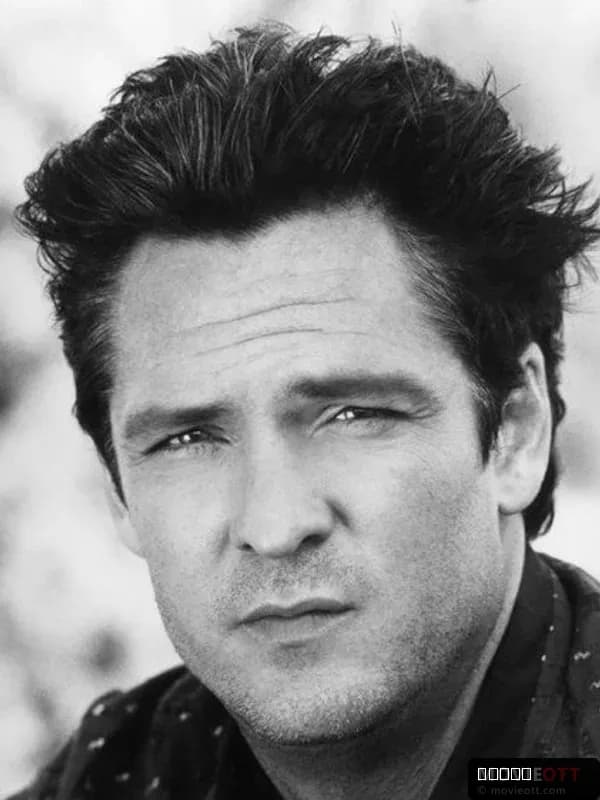
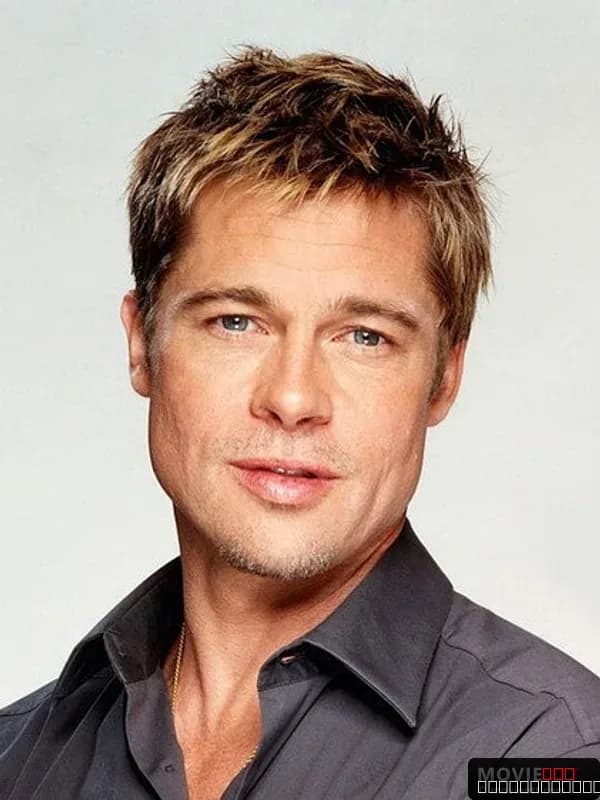
The cast assembled around Sarandon and Davis was nothing short of stellar. Harvey Keitel and Stephen Tobolowsky play the detectives pursuing them, while Michael Madsen and Christopher McDonald round out the supporting ensemble. Brad Pitt, in a breakthrough role that made him a household name, plays a charming drifter who steals scenes with his easy confidence and devastating smile. The film's success on the awards circuit—it won an Academy Award for Best Original Screenplay and earned six Oscar nominations total—validated Khouri's fresh perspective and Scott's direction. It's the kind of film that doesn't just entertain; it announces itself as important the moment it hits theaters.
According to Variety, the film became a cultural touchstone almost immediately upon release, with audiences and critics alike recognizing something essential in its storytelling. The 7.6 IMDb rating reflects its enduring appeal across decades of viewers.
Why Thelma & Louise Stands Out as a Modern Classic
What's striking about Thelma & Louise is how it refuses to judge its characters even as they spiral deeper into criminality. Sarandon brings a weary intelligence to Louise—a woman who's been hurt before and knows exactly how the world works against her. Davis, meanwhile, transforms Thelma from a meek housewife into someone discovering her own capacity for boldness and anger. The chemistry between them feels earned rather than manufactured, built on scenes of genuine conversation and laughter before everything falls apart. That foundation makes their later choices feel inevitable rather than contrived.
The film also works because Scott understands visual storytelling in a way that elevates the material beyond its thriller mechanics. He frames the desert not as a hostile wasteland but as a kind of freedom—wide open, beautiful, and utterly indifferent to human morality. There's a scene where the two women dance to Johnny Cash in a parking lot, and it captures something the film keeps returning to: the possibility of joy even in the midst of catastrophe. That's not sentimentality. That's truth.
I keep coming back to how the film treats its male characters. They're not cartoon villains—they're husbands and cops and drifters who genuinely don't understand why these women can't just go back to their lives. That complexity, that refusal to make anyone simply right or wrong, is what separates this from lesser crime dramas. The supporting cast, particularly Keitel's increasingly desperate detective, grounds the story in genuine human stakes rather than abstract morality.
Where to Stream Thelma & Louise Online
You can currently watch Thelma & Louise on Prime Video. The film's availability may shift across platforms over time, so Movie OTT tracks where it's streaming in real time—just check the "Where to Watch" widget at the top of this page to see the most current options. If you're planning a road-trip movie night or a deep dive into 1990s cinema, having access to this 129-minute masterpiece makes it easy to revisit whenever the mood strikes. Movie OTT's streaming aggregator keeps you from hunting across multiple services, saving you time and frustration.
Frequently Asked Questions
Q: Who directed Thelma & Louise?
Ridley Scott directed the film, bringing his visual mastery and character sensitivity to Callie Khouri's screenplay. Scott's direction transforms what could have been a standard road-movie into something far more meditative and humanistic.
Q: Is Thelma & Louise based on a true story?
No, it's an original screenplay written by Callie Khouri, who won an Academy Award for Best Original Screenplay for her work. Though it feels authentic and grounded, the story and characters are entirely fictional.
Q: What's the runtime of Thelma & Louise?
The film runs 129 minutes, which gives Scott plenty of time to develop the relationship between the two leads and let scenes unfold naturally rather than rushing through plot points.
Q: Why is Thelma & Louise considered a classic?
The film's combination of strong performances, smart writing, visual storytelling, and willingness to treat its female protagonists as complex, flawed human beings rather than stereotypes made it groundbreaking in 1991 and kept it relevant ever since. It's a film about freedom that doesn't shy away from the cost of that freedom.
Q: Where can I watch Thelma & Louise right now?
Thelma & Louise is currently available on Prime Video. Check the streaming widget on this page for the most up-to-date availability, or visit Movie OTT to track where your favorite films are streaming across all major platforms.
Final Thoughts on Thelma & Louise
Thirty-plus years later, Thelma & Louise hasn't aged. If anything, it's become more vital—a film about women claiming agency in a world determined to deny it to them. The ending, which I won't spoil here, has sparked debate for decades, and that's exactly as it should be. Great films don't resolve neatly. They linger. They make you think about what freedom really costs, and whether some prices are worth paying. If you haven't seen it, don't wait. If you have, it's time for a rewatch.