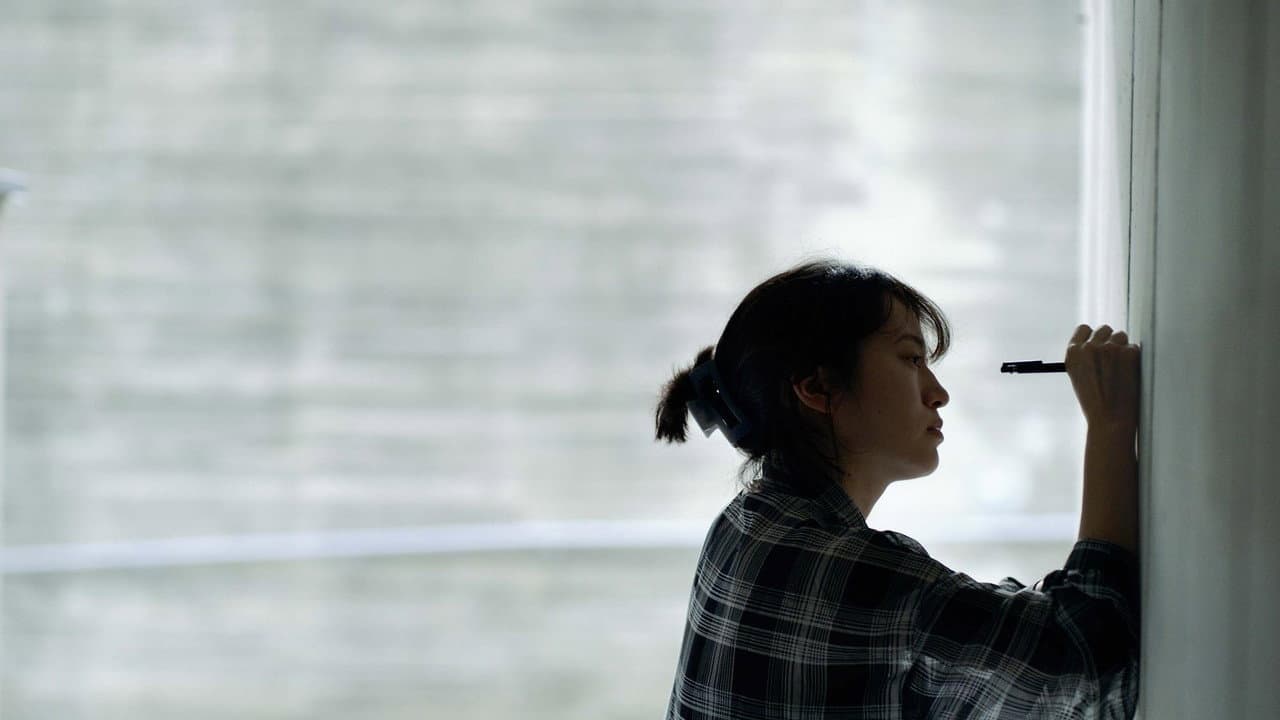
To You
Korean Academy of Film Arts drama · 2026 · 5/10 on IMDb · Streaming now
Should you actually watch this? Here's the honest take.
To You arrives as a quietly ambitious 2026 drama from the Korean Academy of Film Arts — and it's the kind of film that'll either grip you or frustrate you depending on what you bring to it. There's no plot twist waiting to justify your time. No character breakdown that unlocks everything. What you get instead is two people circling each other across what feels like grief, distance, or both — and a filmmaker who trusts you to sit with that discomfort without explanation.
The IMDb rating of 5 out of 10 doesn't tell the real story here. Early voting pools skew harsh on niche productions, especially ones that land on streaming instead of rolling through theaters first. This is the kind of film that finds its actual audience months later when someone recommends it to a friend who actually gets it — and then that friend can't stop thinking about it. Worth knowing that going in.
What makes To You different (and why some people hate that)
Most Korean dramas are built to move. They pile on incident, emotion, revelation. To You does almost the opposite. Early scenes establish mood before plot — just two characters in spaces that feel too large, conversations that stop before they start, silences that carry more weight than dialogue ever could.
Here's what strikes me: there's a moment midway through where two characters sit across from each other and don't speak. The camera doesn't cut away. There's no swelling score. A hand almost extends. A gaze holds just one beat too long. That's the entire scene. That's also the entire film — people trying to reach each other in ways that language won't fix.
This kind of restraint works brilliantly if you're patient with it. If you're used to faster pacing and more obvious emotional payoffs, it'll feel like nothing's happening. Both reactions are valid. The cinematography leans on natural light and medium-long shots that keep characters slightly small within their environments — a visual choice that communicates isolation without spelling it out. The sparse score doesn't swell when you'd expect it to. These are deliberate choices, not budget limitations, but they can read as cold if you're not in the right headspace.
Where to stream To You right now
You can find To You on major streaming platforms — Netflix, Prime Video, and regional services depending on your location. Movie OTT tracks availability in real time across services, since streaming rights shift constantly and what's available Tuesday might move by Thursday. Check the where-to-watch widget at the top of this page for the most current listing in your region.
For viewers outside South Korea, streaming is basically your only practical option. Worth bookmarking if you're planning to watch later rather than tonight — availability changes faster than you'd think.
The Korean Academy of Film Arts and why this film matters
The Korean Academy of Film Arts (KAFA) isn't just a film school — it's functioned for decades as a production house and incubator for filmmakers who later shaped Korean cinema's international reputation. Alumni have gone on to make films that screened at major festivals and landed distribution in North America and Europe. A 2026 KAFA production carries an expectation of formal discipline, and To You doesn't disappoint on that front.
The institution's track record means the film was likely shot with theatrical distribution in mind, even if it ended up on streaming first. That visual grammar — careful framing, unhurried editing, refusal to cut away from uncomfortable moments — suggests a director trained in cinema as craft, not content. Honestly, that's rare for emerging productions, and it's probably why the film landed on Movie OTT's radar early in its release cycle. It's exactly the kind of formally ambitious work that international streaming platforms are quietly hunting for.
The performances carry that same discipline. What you're watching isn't blankness — it's controlled interiority. Actors trained to communicate through restraint, through what they don't do. That takes years to develop, and you don't see it in rushed productions.
Who this film is actually for
If you loved the quieter Korean films — the kind that prioritize mood and unspoken feeling over plot momentum — this is worth your time. If you've been looking for something that doesn't follow mainstream drama conventions, something closer to European art cinema than K-drama formula, To You fits that space.
Compare it to: slow-burn international dramas that trust silence as dialogue. Think Stalker-adjacent pacing, but grounded in contemporary emotional reality instead of science fiction. Not a perfect match, but close enough to know if you're the audience.
Hard to say if you should watch it back-to-back with something lighter — the emotional texture is pretty specific, and it lingers. Give it thirty minutes before you decide whether you're staying. If the first half-hour works, you're in.
Frequently asked questions
Q: Where can I watch To You?
Streaming platforms including Netflix and Prime Video. Movie OTT maintains current availability by region — check there for the most up-to-date listing.
Q: Who produced this?
The Korean Academy of Film Arts (KAFA). One of South Korea's most respected film institutions.
Q: Is it based on a true story?
Appears to be original work. No publicly confirmed source material, though the emotional specificity might feel autobiographical to some viewers.
Q: Why is the IMDb rating so low?
5 out of 10 likely reflects limited early voting from a small pool rather than a settled consensus. Niche productions often rate differently once broader streaming audiences discover them.
Q: Is this good if I don't usually watch Korean drama?
Actually, yes. To You doesn't lean on genre conventions from mainstream K-drama, so it might be an entry point if you prefer quieter, European-paced storytelling. That said — patience required. This isn't plot-driven.
The actual reason to give it a shot
To You won't work for everyone. That's not a flaw. It's a choice. The film trusts its audience to do emotional work instead of having it done for them — and that trust is either exactly what you're looking for or exactly what will make you quit after twenty minutes.
What's worth noting: films like this tend to hit differently on a second watch. You'll catch things you missed. You'll understand why certain shots linger. That's by design. Stream it free on your existing subscription, give it time to work, and see if you're the kind of viewer who thinks about a film for days afterward without being able to fully explain why.