
The story of Tokyo-Ga: Wenders chasing Ozu's vanished world
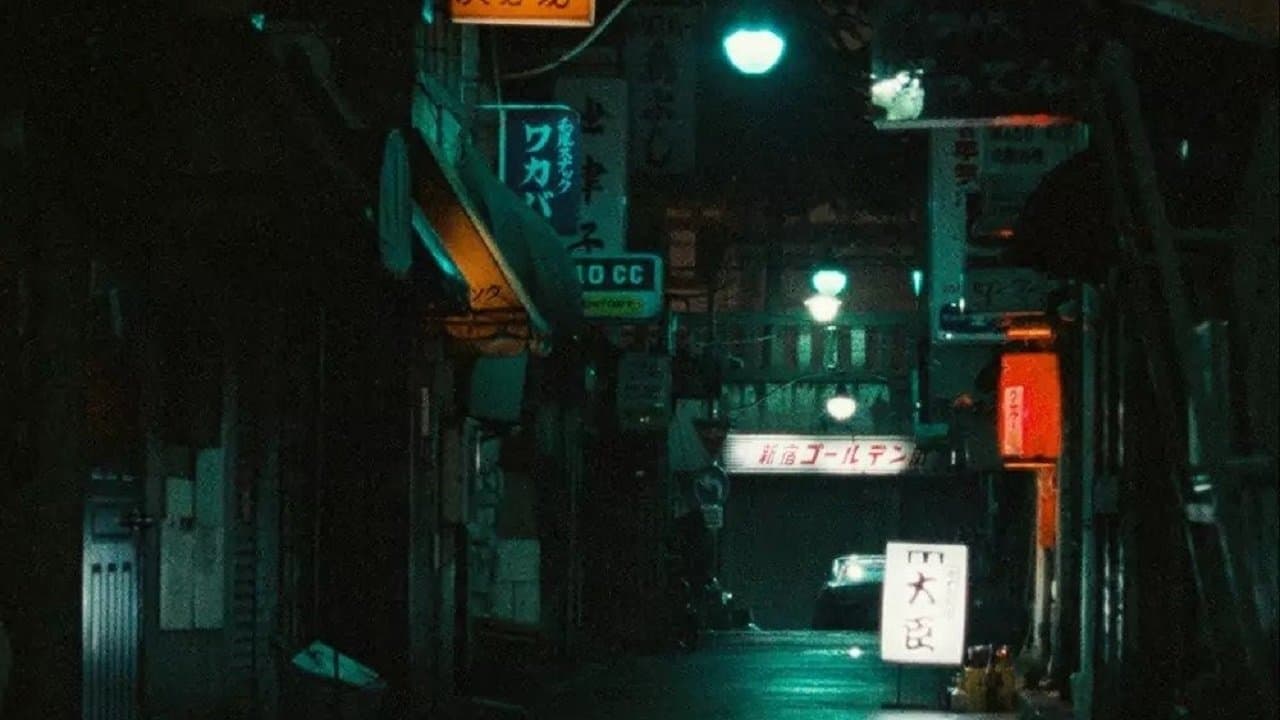
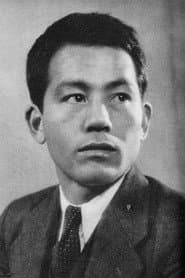
Wim Wenders' Tokyo-Ga opens with a simple, almost melancholic premise: the German director travels to Tokyo in spring 1983 to find the city that lives in the films of Yasujirō Ozu, one of cinema's greatest artists. What unfolds over 92 minutes isn't quite a conventional documentary about Ozu himself. Instead, it's something more personal—a filmmaker's diary on film, as Wenders himself introduces it—where the search for one artist's vision becomes an accidental portrait of loss, displacement, and the relentless march of urban transformation. Wenders wanders Tokyo's streets with a camera and a specific longing: to locate the spaces, the rhythms, the emotional geography that Ozu captured in masterpieces like Tokyo Story and Late Spring. What he finds instead are pachinko parlors, plastic food displays in restaurant windows, and a city that's moved on.
How Tokyo-Ga came together: Production and international collaboration
Tokyo-Ga was born from an international co-production involving West German and American partners—Chris Sievernich Filmproduktion, Grey City, WDR, Wim Wenders Productions, and Road Movies all contributed to bring Wenders' vision to the screen. The film shot on location in Tokyo during spring 1983, capturing the city in real time rather than through archival footage or recreation. What makes the production noteworthy is its hybrid approach: Wenders doesn't just observe contemporary Tokyo. He actively seeks out people who knew Ozu intimately. The director interviews Yuharu Atsuta, Ozu's longtime cinematographer, and Chishū Ryū, one of Ozu's favorite actors—people who can speak to the world Ozu filmed and the world Ozu inhabited. These conversations become anchors in the film, moments where memory and cinema intersect. The 92-minute runtime is lean and purposeful, never padding the narrative with unnecessary exposition. On Movie OTT, you can find Tokyo-Ga listed alongside Wenders' other documentary and narrative work, making it easy to trace the director's preoccupations across his filmography.
Why Tokyo-Ga resonates: The melancholy of artistic pilgrimage
What's striking about Tokyo-Ga is how it refuses to be a simple tribute to Ozu. Instead, Wenders captures something far more complex—the disappointment of artistic pilgrimage, the way a city can erase the traces of the art that made it immortal. When you're watching Wenders move through Tokyo, camera in hand, you're witnessing a director grappling with the fact that the Japan of Ozu's films—that world of tea ceremonies, quiet family moments, the poetry of the ordinary—has been consumed by neon signs, plastic replicas, and the velocity of modern commerce. It's not that the film condemns this change. Rather, it mourns it. There's a tenderness in how Wenders documents these contradictions, a refusal to be sanctimonious about progress. The interviews with Atsuta and Ryū become especially poignant because they're speaking from inside that loss. They remember the Tokyo Ozu filmed. They're living in the Tokyo that replaced it. The film holds both realities at once—not as a judgment, but as a fact. It's a meditation on how cinema preserves what the world forgets, and how the world moves on anyway. Audiences on Movie OTT have noted that the film hits harder now than it might have in 1985, precisely because we're even further from the world Ozu documented.
Where to stream Tokyo-Ga online
Tokyo-Ga is available on major OTT services—check the Where to Watch widget at the top of this page to see which platforms currently carry it in your region. The film's 92-minute length makes it accessible for a single sitting, though it's the kind of work that rewards rewatching. Because it's a documentary rather than a narrative feature, it doesn't demand the same kind of sustained plot attention, but it does ask for a certain contemplative mood. If you're a Wim Wenders fan, it's essential viewing. If you're curious about Yasujirō Ozu but haven't seen his work, Tokyo-Ga functions as both introduction and elegy—a way of understanding not just who Ozu was, but what his cinema meant and what its absence from the contemporary world represents.
Frequently asked questions
Q: Who directed Tokyo-Ga?
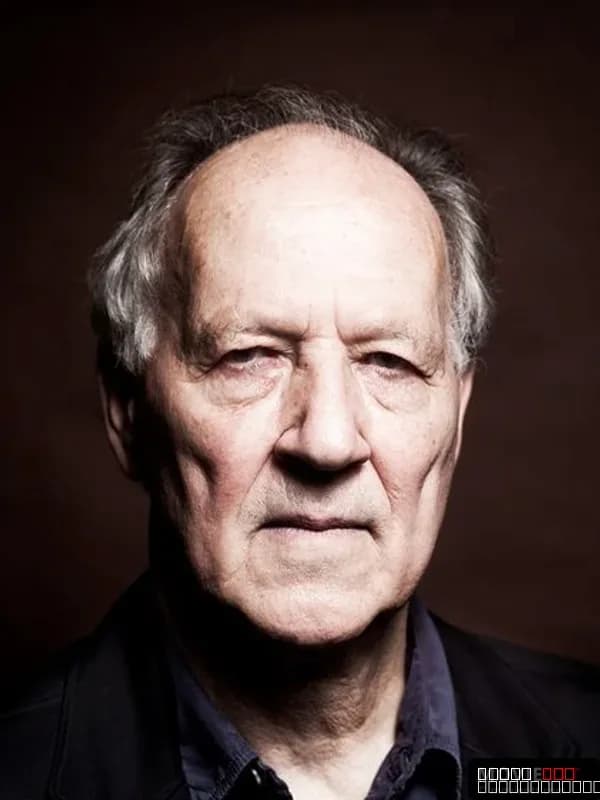
Wim Wenders, the acclaimed German director of Wings of Desire and Paris, Texas, directed Tokyo-Ga in 1985. The film reflects his longtime interest in cinema history and how filmmakers see the world.
Q: Is Tokyo-Ga about Yasujirō Ozu?
Partially. While Ozu is the film's inspiration and subject, Tokyo-Ga is really about Wenders' search for the Tokyo that Ozu filmed—and his discovery that the city has changed dramatically. It's as much about loss and modernization as it is about the filmmaker himself.
Q: How long is Tokyo-Ga?
The film runs 92 minutes, making it a manageable length for a documentary that rewards careful, attentive viewing without demanding an epic time commitment.
Q: Where was Tokyo-Ga filmed?
The documentary was shot on location in Tokyo during spring 1983. Wenders filmed contemporary Tokyo while also interviewing people who worked with Ozu, creating a dialogue between past and present.
Q: What's the IMDb rating for Tokyo-Ga?
The film holds a 7.1 rating on IMDb, reflecting solid appreciation among viewers who value its contemplative approach to cinema history and urban transformation.
Final thoughts on Tokyo-Ga
If you're looking for a film that captures the bittersweet experience of artistic pilgrimage—the longing to find traces of greatness in a world that's moved on—Tokyo-Ga delivers that in spades. It's not a conventional documentary, and it won't give you a comprehensive biography of Ozu. What it gives you instead is something more valuable: a filmmaker's honest reckoning with time, loss, and the way cinema preserves what the world forgets. Watch it if you're a cinephile. Watch it if you've been to Tokyo and wondered where the old city went. Watch it if you're interested in how artists see the world differently than the rest of us do.