

What Tokyo Olympiad Reveals About the 1964 Summer Games
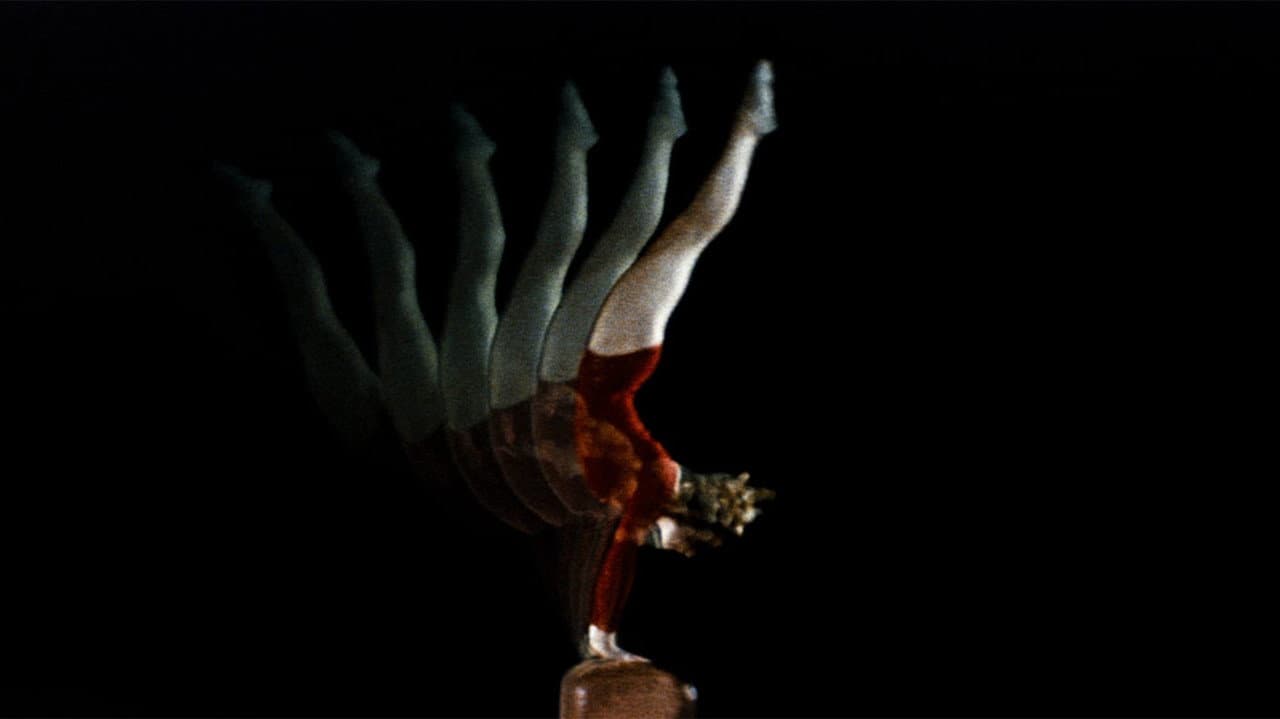
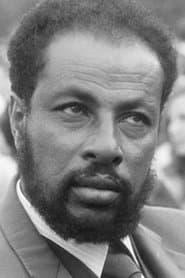
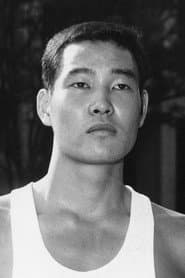
Tokyo Olympiad isn't your typical sports documentary. When you press play, you're not settling in for a highlight reel of gold-medal moments and record-breaking performances. Instead, director Kon Ichikawa's 1965 film—clocking in at 170 minutes—pulls you into the lived experience of the Games: the demolition crews clearing space for new stadiums, the vendors preparing food, the crowds gathering in stands hours before events begin. The film treats the Olympics as a city-wide phenomenon, a moment when Tokyo itself becomes the subject. You'll see Ethiopian marathon runner Abebe Bikila claiming his second gold medal, and Chad's Ahamed Isa competing for a nation younger than he is, but always through Ichikawa's impressionistic gaze—one that lingers on sweat, exhaustion, and quiet triumph rather than scorecards.
How Tokyo Olympiad Came Together as a Cinematographic Milestone
The Tokyo Olympic Film Association and TOHO commissioned Ichikawa to create an official documentary of the 1964 Summer Games, a decision that would prove transformative for sports filmmaking. Ichikawa brought to the project a sensibility shaped by decades of narrative cinema—he wasn't a sports journalist documenting events, but an artist translating them. The production faced logistical challenges that'd make most crews nervous: multiple venues, unpredictable weather, athletes from over 90 nations competing across two weeks. Yet Ichikawa's team captured it all on film stock that still holds up today, with a visual clarity that speaks to meticulous planning and real technical innovation. The film's approach—treating the Olympics as human theater rather than athletic competition—was so distinctive that it earned comparison to Leni Riefenstahl's Olympia (1938), though Ichikawa's work moves in the opposite direction ideologically and aesthetically. Where Riefenstahl celebrated the spectacle and the body as instrument of state, Ichikawa celebrates the ordinary person caught up in extraordinary circumstances. The film has since been recognized as one of the few sports documentaries included in the canon of 1001 Movies You Must See Before You Die, a distinction that underscores its lasting impact on documentary cinema.
Why Tokyo Olympiad Stands Apart from Other Olympic Films
What's striking is how Ichikawa refuses the easy narrative. He doesn't build toward climactic moments or construct heroes. Instead, there's something almost meditative about the pacing—long shots of the marathon route through Tokyo's streets, close-ups of athletes' faces during moments of strain, sequences of spectators that feel almost anthropological. The pole-vaulting competition between West Germany and America becomes an epic of its own, not because of the outcome, but because Ichikawa's camera captures the rhythm of approach, the plant, the arc of the body over the bar, repeated until you feel the exhaustion yourself. Critics and viewers have noted that the film's real genius lies in its refusal to sentimentalize—there's no swelling orchestral score telling you how to feel, no breathless narration explaining significance. Instead, Ichikawa trusts the image. He trusts that watching a runner's stride, or the way a crowd holds its breath, or the concentration on an athlete's face means something without being told. The IMDb rating of 7.7/10 reflects a film that doesn't please everyone equally—some viewers find its length and meditative pace challenging—but those who connect with it tend to find it unforgettable. Honestly, it's the kind of documentary that makes you reconsider what sports filmmaking can be, beyond highlight reels and narrative drama.
Where to Stream Tokyo Olympiad Online
Tokyo Olympiad is available across major OTT services, and you can check the Where to Watch widget at the top of this page for current availability on your preferred platform. The film's length—nearly three hours—makes it ideal for streaming platforms where you can pause and return, though I'd recommend finding a block of uninterrupted time if possible; the rhythm of Ichikawa's editing rewards sustained attention. If you're looking to explore where this title fits in the broader landscape of Olympic documentaries and sports cinema, Movie OTT tracks streaming availability across Netflix, Prime, and other major services, making it easy to find exactly which platform has it in your region. Availability does shift seasonally, especially around Olympic years, so checking the widget ensures you're getting current information rather than outdated links.
Frequently asked questions
Q: Who directed Tokyo Olympiad?
Kon Ichikawa, a legendary Japanese filmmaker known for his narrative features, directed this 1965 documentary. His artistic sensibility transformed what could have been a straightforward sports documentary into a poetic meditation on the human experience of the Games.
Q: How long is Tokyo Olympiad?
The film runs 170 minutes—nearly three hours. That length isn't padding; Ichikawa uses the time to build an immersive portrait of the Games, moving at a deliberate pace that invites reflection rather than quick consumption.
Q: Is Tokyo Olympiad based on a true story?
It's a documentary, so yes—it documents the actual 1964 Summer Olympics held in Tokyo. But Ichikawa's approach is artistic and impressionistic rather than journalistic, treating real events through a filmmaker's eye rather than a news correspondent's.
Q: Which athletes are featured in Tokyo Olympiad?
Ethiopian marathon runner Abebe Bikila, who won his second Olympic gold medal, and Ahamed Isa of Chad receive particular focus. The film also captures an epic pole-vaulting competition between West Germany and the United States, along with countless unnamed athletes and spectators.
Q: How does Tokyo Olympiad compare to other Olympic documentaries?
Unlike Leni Riefenstahl's Olympia, which celebrated spectacle and athletic prowess as expressions of state power, Ichikawa's film emphasizes the atmosphere, the crowds, and the human dimension of competition. It's less interested in victory than in the lived experience of the Games.
Final Thoughts on Tokyo Olympiad
If you're looking for traditional Olympic highlights and inspirational sports narratives, this isn't that film—and that's exactly its strength. Tokyo Olympiad demands patience but rewards it with something rarer: a genuine artistic vision of what it means to gather, to compete, to watch, to be present. It's a film that respects both the athletes and the ordinary people caught up in the spectacle, treating them all with equal visual and emotional weight. Seventy years after its release, it remains essential viewing for anyone interested in documentary cinema, Olympic history, or simply what happens when a great filmmaker turns his attention to real life unfolding in front of the camera.