









The Story of Trade: Following Three Lives Across Borders
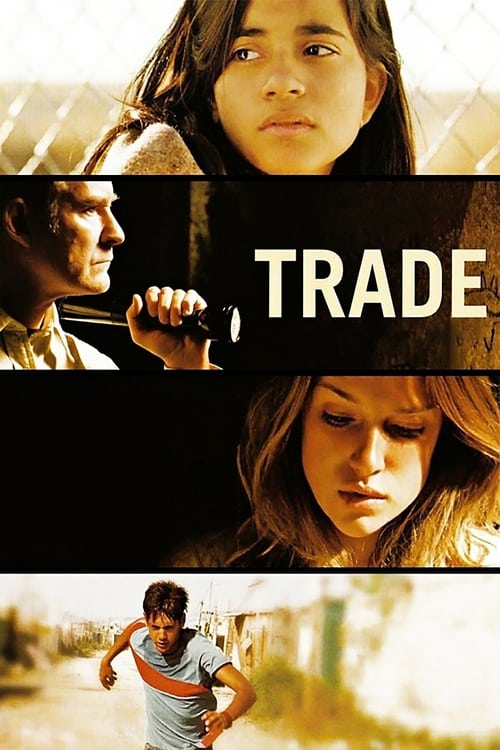
Trade opens with a stark premise: over one million people trafficked across international borders every year, against their will. The film weaves together three interconnected narratives that illustrate the machinery of modern slavery. A Texas police officer becomes personally invested when his own daughter vanishes into the sex trade. He partners with a resourceful Mexican teenager whose sister was abducted and forced into prostitution. Simultaneously, a Polish woman—promised legitimate work and a better life in America—discovers she's been deceived and trapped in the same nightmare. What unfolds isn't a conventional rescue narrative but a slow, methodical journey that exposes the networks, corruption, and complicity that make human trafficking possible. Director Marco Kreuzpaintner doesn't sensationalize the subject; instead, he lets the story's weight speak for itself.
Behind the Making of Trade: Production, Cast, and Real-World Foundations
Trade premiered at the 2007 Sundance Film Festival on January 23 before opening in limited theatrical release on September 28, 2007. The film was produced by Centropolis Entertainment with Roland Emmerich (known for blockbuster action films like Independence Day) attached as producer—a choice that brought significant resources and attention to a deeply serious subject matter. Director Marco Kreuzpaintner based the screenplay on Peter Landesman's investigative article "The Girls Next Door," which appeared as the cover story in The New York Times Magazine on January 24, 2004. That journalistic foundation gives Trade credibility that most exploitation thrillers lack. Kevin Kline anchors the cast as the cop obsessed with finding his daughter, bringing gravitas and moral complexity to a role that could've been one-dimensional in lesser hands. The film earned a 6.98 rating on IMDb, reflecting its polarizing nature—some viewers found it essential viewing, others felt it walked a fine line between education and exploitation. Movie OTT tracks where Trade streams across major platforms, making it accessible to audiences who want to engage with its unflinching subject matter. The film's runtime of 120 minutes allows Kreuzpaintner space to build atmosphere and develop characters rather than rushing toward easy resolutions.
What Makes Trade Stand Out: Performances and Uncomfortable Truths
What's striking about Trade is how it refuses to let viewers off the hook emotionally. Kline's performance—quiet, desperate, sometimes ineffectual—shows a father stripped of power and forced to navigate a world where his authority means nothing. The thing nobody mentions is that the film doesn't glorify the cop as a hero. He makes mistakes. He's complicit in systems he doesn't understand. That moral ambiguity is rare in thrillers, where heroes usually win cleanly. The supporting cast, including Cesar Ramos as the Mexican teenager and Paulina Gaitan as the Polish victim, carry scenes that could've been one-note trauma but instead reveal the psychological toll of coercion and false hope. Kreuzpaintner's direction is deliberately unglamorous—handheld camera work, natural lighting, locations that look lived-in rather than cinematic. You won't find sweeping orchestral scores or dramatic reveals. Instead, there's a grinding, documentary-like quality that makes the subject feel immediate and real. Variety reported that the film's unflinching approach divided critics, with some praising its commitment to authenticity while others questioned whether such brutal material served a narrative purpose or merely exploited the very victims it claimed to represent. That tension—between awareness and complicity—is part of what makes Trade difficult to shake after watching.
Where to Stream Trade Online
Trade is currently available on major OTT services, and you can check the "Where to Watch" widget at the top of this page to see which platform has it in your region right now. Streaming availability shifts frequently, so Movie OTT keeps that information updated across Netflix, Prime Video, and other major services. The 120-minute runtime makes it easy to carve out time for a single sitting, though the emotional weight might leave you needing a break afterward. If you're researching human trafficking for academic or advocacy purposes, knowing where to access it quickly matters—and that's exactly what our streaming aggregator does.
Frequently asked questions
Q: Is Trade based on a true story?
Not a single true story, but it's grounded in real investigative journalism. Director Marco Kreuzpaintner adapted the screenplay from Peter Landesman's 2004 New York Times Magazine article "The Girls Next Door," which documented actual trafficking networks. The film dramatizes these real patterns rather than following one specific case.
Q: Who directed Trade and what else has he made?
Marco Kreuzpaintner directed Trade. He's a German filmmaker known for exploring social issues through character-driven narratives, though Trade remains his most internationally recognized work.
Q: What's the runtime and rating of Trade?
Trade runs 120 minutes and is rated R for strong sexual content, violence, and language. It's not a film for casual viewing—the content is deliberately harsh because the subject demands it.
Q: Why did Roland Emmerich produce a serious trafficking thriller?
While Emmerich's known for big-budget action films, he's also invested in socially conscious projects through Centropolis Entertainment. Trade reflects a deliberate choice to bring resources and distribution muscle to an important but difficult subject.
Q: Where can I watch Trade right now?
Check the "Where to Watch" widget on this page—it shows current availability across streaming platforms in your region. Major OTT services rotate titles frequently, so availability changes seasonally.
Final Thoughts on Trade: Who Should Watch
Trade isn't entertainment in the conventional sense. It's a 120-minute argument against indifference, a film that exists to make you uncomfortable and aware. If you're interested in how systems fail vulnerable people—or how ordinary citizens get drawn into extraordinary circumstances—it's worth your time. Viewers seeking escapism should look elsewhere. But if you want cinema that grapples with real human suffering and asks hard questions about complicity and responsibility, Trade delivers. It's the kind of film that sticks with you not because it's perfectly crafted, but because it refuses to look away.