






The Story of Trash: Desperation and Impossible Choices
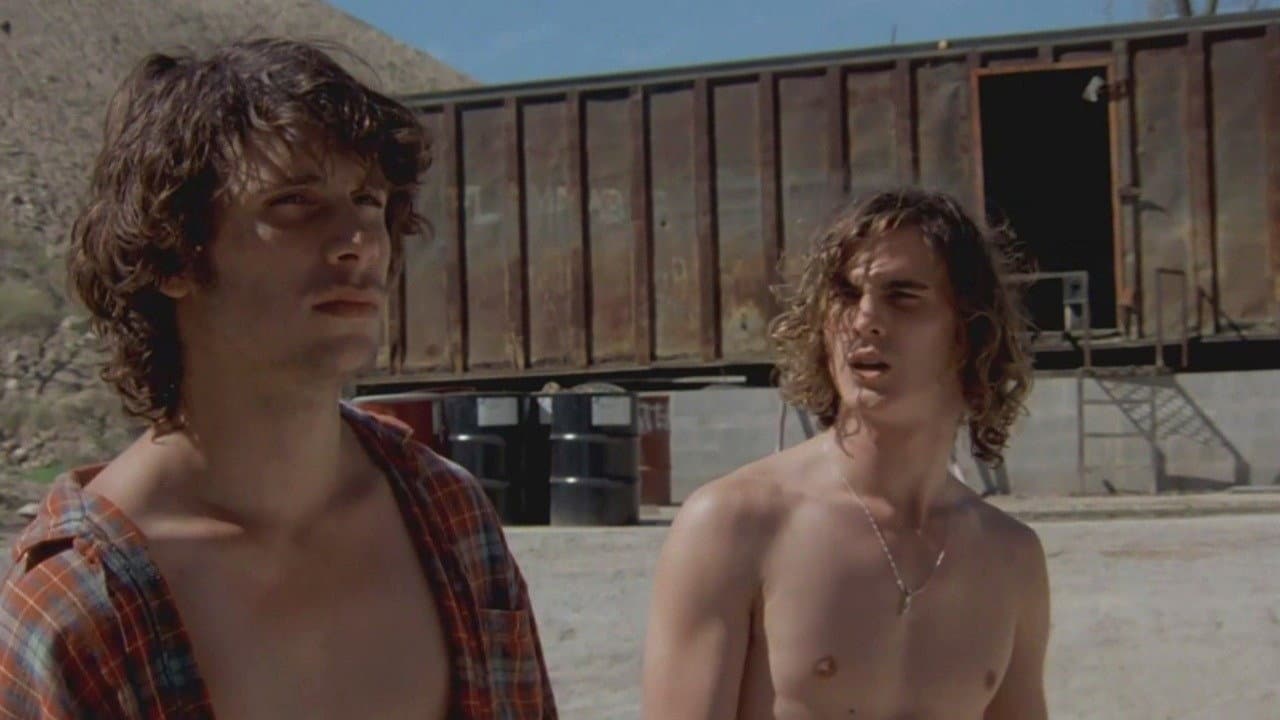
Trash tells the story of two teenagers growing up in the economically devastated trailer parks of the Deep South—a setting where poverty isn't just background scenery but the very air they breathe. The film follows these friends as they navigate a spiraling narrative of hatred, love, and loyalty, each realizing that their only path out of their miserable circumstances might require the ultimate betrayal: sacrificing the other. It's not a feel-good underdog story. Instead, it's a bleak examination of what happens when two people who need each other most discover that one of them has to lose for the other to win. The tagline says it all—"They have nothing to fear but the future"—and that future is closing in.
Behind the Making of Trash: Production and Creative Vision
Trash emerged from Dancing Babies Entertainment and Cleopatra Productions, independent outfits working in the late 1990s when studio backing for gritty, uncompromising youth dramas was already drying up. The film runs 95 minutes, lean and focused—there's no fat here, no subplot padding. Released in 1999, it arrived during a moment when American independent cinema was still finding its footing after the Sundance boom of the early decade, though it didn't achieve the crossover success that films like Requiem for a Dream or Thirteen would later capture. The production faced the typical constraints of low-budget filmmaking: limited locations (which actually works in the film's favor, trapping us in that claustrophobic world), unknowns in the lead roles, and the kind of creative scrappiness that either makes a film feel authentic or leaves it feeling rough around the edges. What's striking is that the filmmakers chose not to soften the material for mainstream appeal. They committed to showing poverty not as noble struggle but as the kind of grinding, daily nightmare that makes people do terrible things to each other.
What Makes Trash Stand Out: Performance and Thematic Depth
The performances are where Trash lives or dies, and they're the film's strongest asset. Without marquee names to lean on, the young leads carry the entire emotional weight—two actors who understood that their characters couldn't afford to be likeable, only true. What I keep coming back to is how the film refuses the usual coming-of-age template where friendship conquers all. Instead, it asks: what if friendship is exactly what makes the betrayal worse? The screenplay mines genuine tension from the question of whether these kids are victims of circumstance or architects of their own downfall. That ambiguity—the refusal to let either character off the hook—is what prevents Trash from becoming a simple poverty-porn exercise. The IMDb rating of 4.857/10 suggests the film didn't connect with mainstream audiences, and that's telling. Audiences often want their dramas to offer some cathartic release, some sense that struggle builds character. Trash doesn't offer that comfort. It suggests that sometimes the system wins, and friendship just means you lose together, or worse, you lose each other.
Where to Stream Trash Online
Trash is currently available on major OTT services, and Movie OTT tracks its exact streaming availability across all platforms in real time. Rather than hunting through multiple subscription services to find where it's streaming this week, you can check the "Where to Watch" widget at the top of this page—it'll show you which services currently have it in rotation and whether you can rent, buy, or stream it with your existing subscriptions. Since streaming catalogs shift regularly, that widget is your most reliable source for current availability. Movie OTT keeps those listings updated so you don't waste time searching.
Frequently Asked Questions
Q: What year was Trash released?
Trash came out in 1999, during the tail end of the independent film boom. It arrived at a moment when grittier, more uncompromising youth dramas were still finding theatrical distribution, even if mainstream audiences weren't always ready for them.
Q: How long is Trash?
The film runs 95 minutes, a tight runtime that doesn't waste time on subplot filler. It's lean enough to feel urgent, long enough to develop the emotional stakes between its two central characters.
Q: Who produced Trash?
The film was produced by Dancing Babies Entertainment and Cleopatra Productions, independent production companies working outside the studio system in the late 1990s.
Q: Is Trash based on a true story?
Trash is a fictional drama, not based on a specific true story, though its unflinching portrait of poverty in the Deep South draws on the lived realities of communities across the region. The specificity of the setting and character dynamics feel researched and grounded rather than invented from whole cloth.
Q: What's the plot of Trash about?
Two teenage friends living in impoverished trailer parks realize their only escape route requires an impossible choice: one of them has to sacrifice the other. The film follows the emotional and moral unraveling that follows this realization, exploring themes of loyalty, desperation, and the ways poverty can turn people against each other.
Final Thoughts on Trash
Trash isn't an easy watch, and it's not trying to be. It's a film that demands something from its audience—not just passive consumption but genuine engagement with uncomfortable questions about class, loyalty, and survival. The film's modest IMDb score reflects its refusal to comfort or console. If you're looking for a coming-of-age story that validates friendship and resilience, look elsewhere. But if you want to see what happens when two people are trapped in a system that forces them to choose themselves over each other, Trash offers an unflinching answer. It's a film that stays with you, not because it's beautiful, but because it's true.