The Story of Trouble in Mind
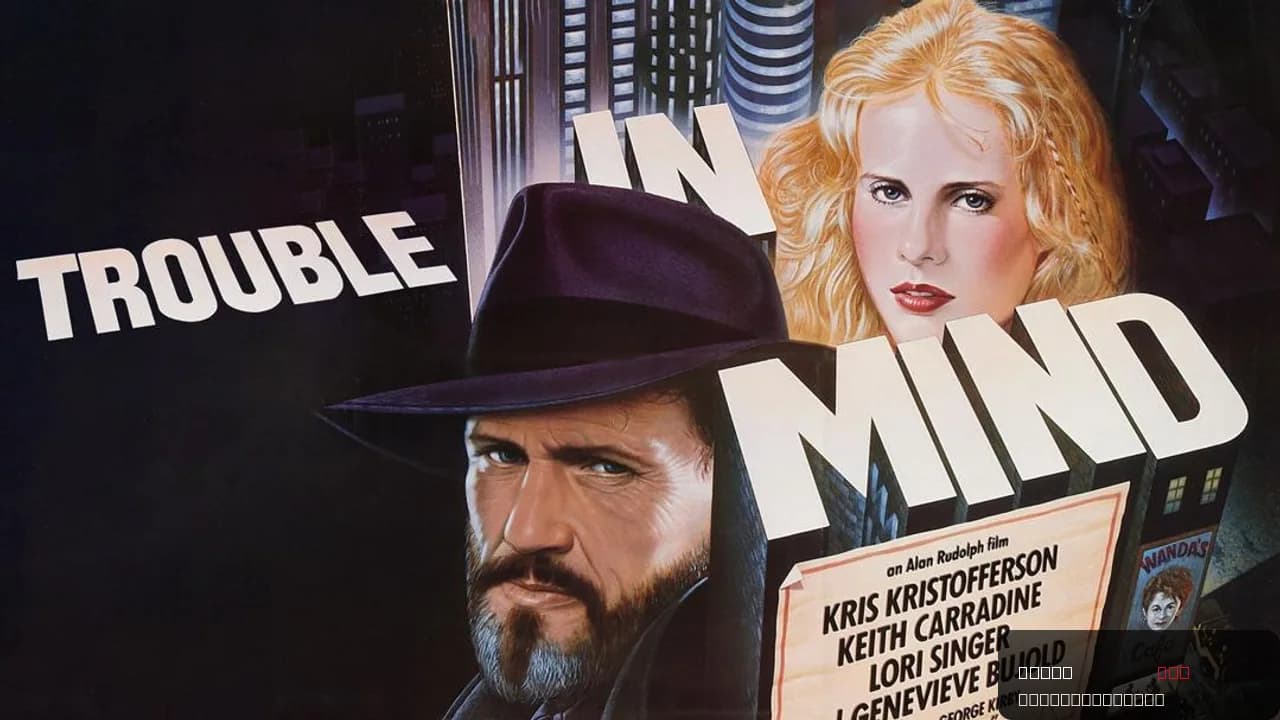
Trouble in Mind follows Hawk, a hardened ex-cop freshly released from prison after serving time for a murder conviction, as he returns to the mean streets of Rain City—a fictional Pacific Northwest city inspired by and filmed in Seattle. The film isn't a straightforward revenge thriller or redemption arc, though. Instead, Rudolph weaves in the parallel story of Coop and Georgia, a young couple with a newborn baby, who arrive in Rain City with nothing but hope and desperation. They're looking for work, stability, a life that isn't constantly on the edge. When Hawk encounters this family, his world—and theirs—shifts in unexpected ways. What could've been a by-the-numbers crime drama becomes something stranger, sadder, and oddly more human than you'd expect from a 111-minute neo-noir released in the mid-1980s.
Behind the Making of Trouble in Mind
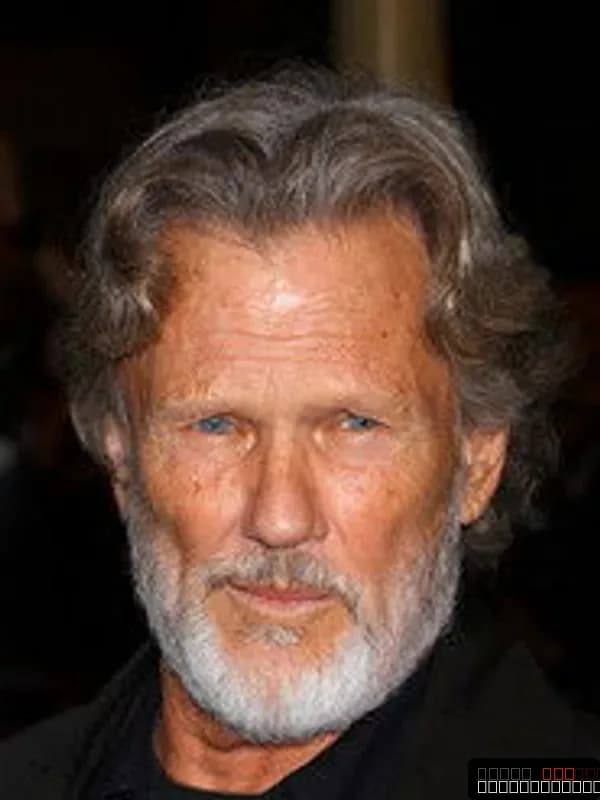
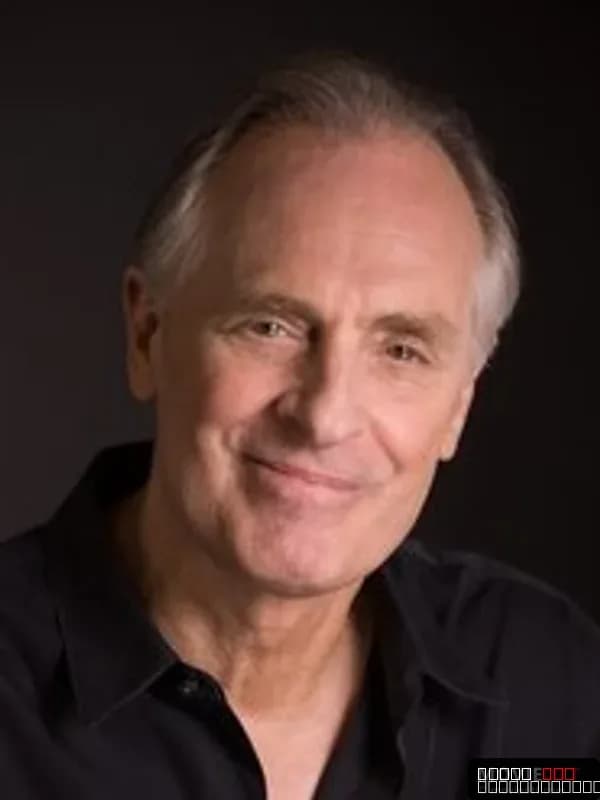
Alan Rudolph wrote and directed Trouble in Mind during a period when he was carving out a distinctive voice in American cinema—one that blended genre conventions with character-driven storytelling and a visual style that felt both playful and melancholic. The film features an ensemble cast that reads like a who's-who of 1980s character actors: Kris Kristofferson as Hawk brings weathered authenticity to the role; Keith Carradine plays Coop with a kind of earnest vulnerability; Geneviève Bujold appears as Wanda, adding layers of complexity to the film's moral landscape; and Lori Singer, in her early career, embodies Georgia's desperate optimism. Perhaps most notably, Divine—the legendary drag performer and John Waters collaborator—appears in a rare non-comedic, non-drag role, which itself became a talking point in reviews at the time. The film was shot on location in Seattle, which gives it a genuine Pacific Northwest atmosphere that studio sets couldn't replicate. While Trouble in Mind didn't achieve major box office success on its initial 1985 release, it's found a steady cult following among film enthusiasts who appreciate Rudolph's idiosyncratic approach to genre filmmaking. The film carries an IMDb rating of 6.1/10, reflecting a mixed critical reception that often hinges on whether viewers embrace or resist its tonal shifts.
What Makes Trouble in Mind Stand Out
What's striking about Trouble in Mind is how it refuses to settle into a single mood or genre lane. You've got crime-thriller elements—the shadowy underworld, the criminal hierarchies, the violence that lurks beneath Rain City's surface—but then Rudolph pulls back and gives you scenes of genuine tenderness between Coop and Georgia, moments where the film becomes almost a domestic drama about struggling parents trying to keep their family intact. That tonal ambiguity isn't a flaw; it's the whole point. Kristofferson's performance anchors the film in a kind of weary authenticity—he's not playing a tough guy so much as a man who's been worn down by the system and is trying to figure out if redemption is even possible. The supporting cast, particularly Carradine's earnest desperation and Bujold's knowing world-weariness, creates a web of characters who feel like they're actually trapped in Rain City's economy of crime and survival. Cinematically, the film has that distinctly 1980s look—not in a dated way, but in the way it captures neon-lit streets, the grain of film stock, the color palette of a city at dusk. I keep coming back to the way Rudolph uses space in the frame: characters are often isolated within the composition, even when they're in the same room, which reinforces the emotional distance between people who want to connect but can't quite manage it. That's not accident—that's craft.
Where to Stream Trouble in Mind Online
Trouble in Mind is currently available to stream on Prime Video, making it accessible for anyone with an Amazon subscription. If you're hunting for where to watch this 1985 neo-noir, Movie OTT tracks current streaming availability across major platforms so you don't have to dig through multiple services yourself. The film's 111-minute runtime makes it a reasonable evening commitment, and the streaming format actually works well for a film like this—you can pause, absorb, sit with the slower character moments without feeling like you're wasting theatrical time. Check the Where to Watch widget at the top of this page for the most up-to-date platform information, as streaming rights shift regularly.
Frequently asked questions
Q: Who directed Trouble in Mind?
Alan Rudolph wrote and directed Trouble in Mind in 1985. Rudolph was known for his distinctive, character-focused approach to genre filmmaking, blending crime and drama elements in unconventional ways throughout his career.
Q: Where was Trouble in Mind filmed?
The film was shot on location in Seattle, Washington, which inspired the fictional Rain City setting. This authentic Pacific Northwest backdrop gives the neo-noir its distinctive visual atmosphere.
Q: Is Trouble in Mind based on a true story?
No, Trouble in Mind is an original screenplay written by director Alan Rudolph. The story and characters are fictional, though they're grounded in the real geography and atmosphere of Seattle.
Q: What's the runtime of Trouble in Mind?
The film runs 111 minutes, making it a standard feature length that doesn't overstay its welcome while still allowing Rudolph space to develop his characters and setting.
Q: Does Divine appear in Trouble in Mind?
Yes, Divine appears in the film in a rare dramatic role outside of drag performance. This casting choice was notable at the time and added an unexpected layer to the film's ensemble cast.
Final Thoughts on Trouble in Mind
Trouble in Mind isn't a film that grabs you by the throat and won't let go. It's quieter than that, stranger, more willing to sit with loneliness and moral ambiguity than most crime dramas. If you're looking for a tightly plotted heist or a revenge narrative with clear heroes and villains, you'll be disappointed. But if you're drawn to 1980s cinema that takes risks with tone and character, that trusts its audience to sit with discomfort and contradiction, then Rudolph's Rain City is worth visiting. The performances are understated and genuine, the Seattle setting feels lived-in rather than exotic, and there's a melancholy running through the whole thing that lingers after the credits roll. Stream it on Prime Video and give yourself permission to let it work on you slowly.