The story of Truco: A man, a card game, and a second chance
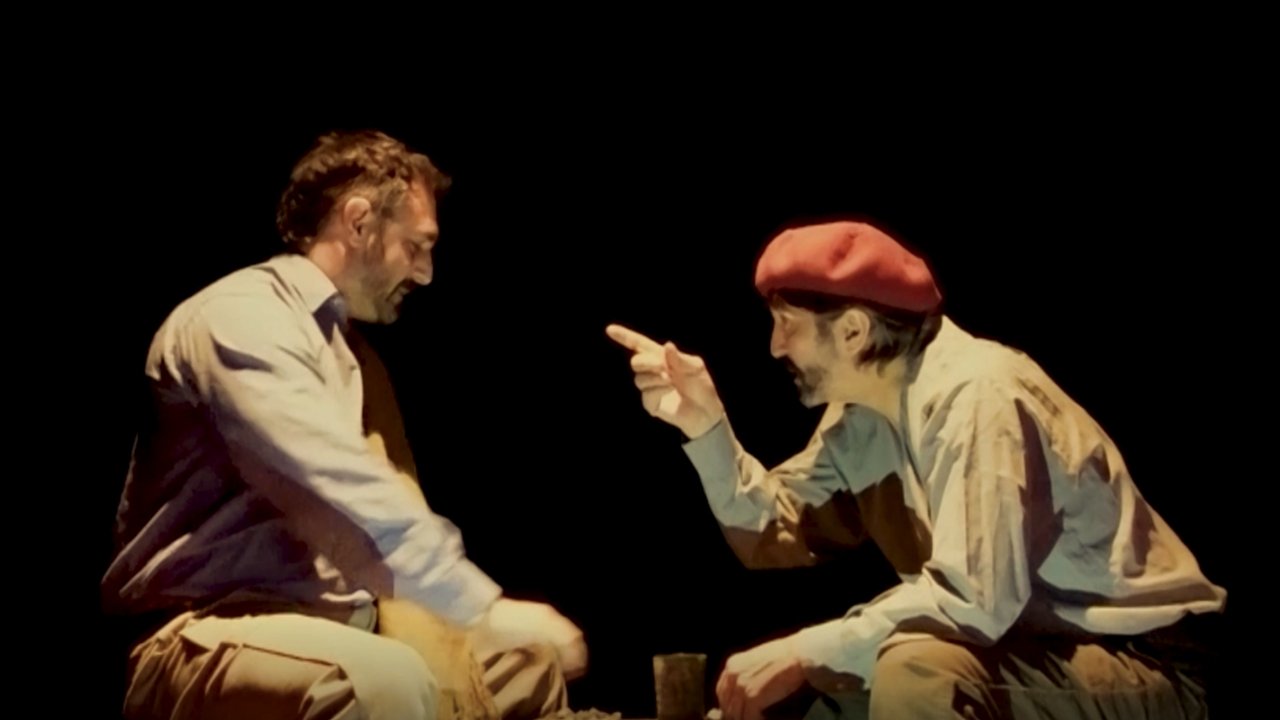
Juan is a gaucho with nothing left to lose — or rather, everything left to recover. When he drifts back to his former home, he carries the weight of past failures, the kind that don't announce themselves with fanfare but settle into your bones over years of wandering. The premise is deceptively simple: he wants to win back his ranch. The method? A rematch at truco, the trick-taking card game that originally cost him everything. It's a premise that hinges on a single, audacious bet — that fate (or skill, or sheer desperation) might tip differently the second time around. What unfolds is a meditation on what we're willing to risk when we've already lost so much.
Truco itself carries real weight in South American culture. Originally born in Valencia and spreading through the Balearic Islands, the game became embedded in gaucho tradition across Argentina, Uruguay, and beyond — it's usually played with a Spanish deck, and the ritual of it, the psychology, the reading of your opponent's tells, all of that becomes central to what this film is exploring. This isn't just a story about cards. It's about identity, about the games that shape us, about the men who return to the places that broke them.
Behind the making of Truco: Production and creative vision
Truco comes from Instituto Superior de Cine y Artes Audiovisuales de Santa Fe, an Argentine film school and production entity with a reputation for grounded, character-driven work rooted in regional storytelling. The institution's fingerprints are all over the film — there's a specificity to how it handles its setting, its culture, its language that suggests filmmakers who understand the world they're depicting from the inside out, not as tourists. The 2024 release positions it within a broader wave of South American cinema that's been gaining international traction in recent years, though Truco itself feels less concerned with festival circuits and more focused on the intimate, unglamorous reality of its protagonist's journey.
The film doesn't carry the weight of major studio backing or A-list celebrity casting — that's not a weakness, it's a feature. What it does carry is the kind of authenticity that comes when you're working with people who grew up around these landscapes, these traditions, these particular flavors of heartbreak. The production design, from what we can gather, leans into the worn aesthetic of rural Argentina — dust, weathered hands, the particular light of the pampas. There's no glossy veneer here. It's the kind of film that Movie OTT helps surface for audiences who might otherwise never stumble across it, which is precisely why a streaming aggregator matters when independent regional cinema is involved.
What makes Truco stand out: Performance and thematic depth
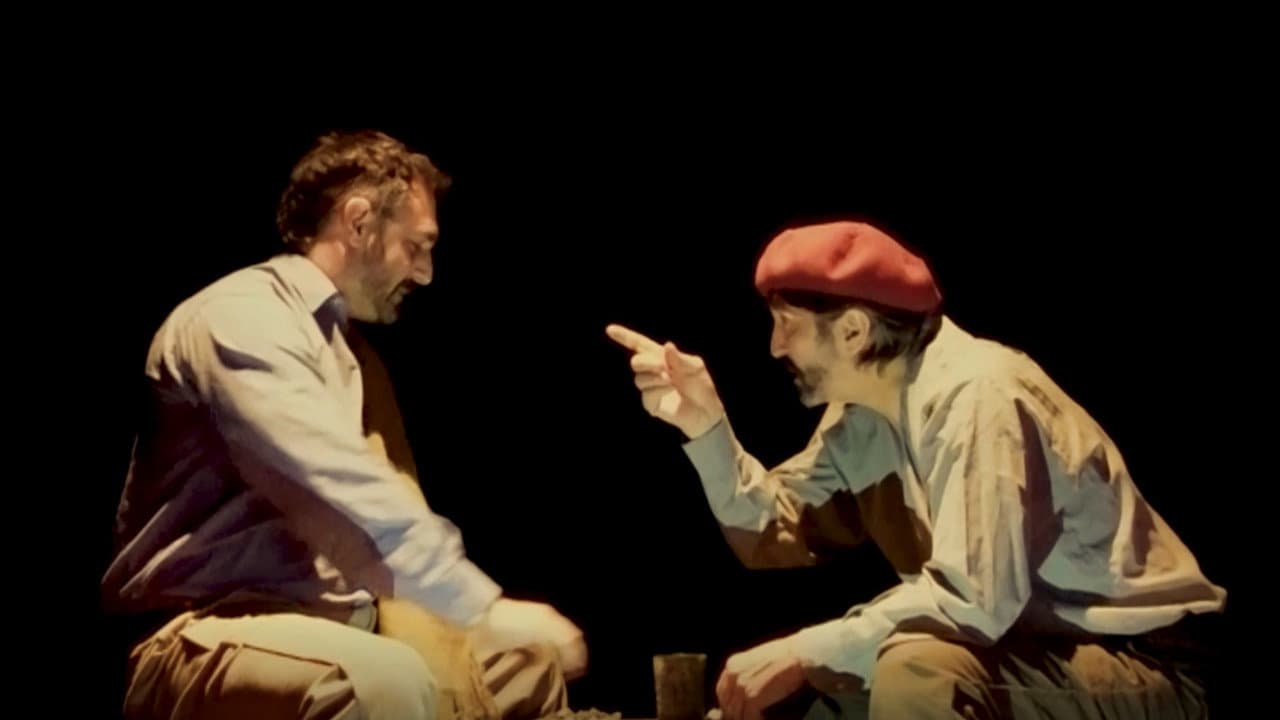
What's striking is how the film uses the card game itself as a vehicle for something much deeper than plot mechanics. Every hand dealt becomes a conversation between Juan and his rival — about pride, about whether redemption is even possible, about the kinds of men we become when we're forced to confront our failures head-on. The card table becomes a confessional. The game becomes the story. I keep coming back to how economical that is as a storytelling device — you don't need elaborate backstory exposition when the present moment of the game can do all that work for you.
The performances, by necessity, have to be subtle. This isn't the kind of film where actors get to chew scenery or deliver rousing monologues. It's all in the eyes, the breathing, the way a hand trembles (or doesn't) as cards are played. There's a restraint to it that demands something from the viewer — you have to meet the film halfway, you have to read the silences. The thing nobody mentions is how much harder that kind of acting actually is. Anyone can shout. It takes real skill to make stillness interesting. The film's central conflict — whether Juan can reclaim what he's lost through sheer force of will and a good hand — plays out in these compressed moments of tension, which is where the real drama lives.
The cinematography likely captures the austere beauty of the landscape without letting it overwhelm the human story. Movie OTT tracks current streaming availability across major platforms, but what matters more is that this film, wherever you find it, demands your attention. It's not background noise. It's not something you scroll through while checking your phone.
Where to stream Truco online
Truco is currently available on major OTT services, which means you'll likely find it on one of the platforms you already subscribe to. Check the "Where to Watch" widget at the top of this page to see which service has it in your region right now — availability shifts, and the widget stays current so you don't have to hunt. The beauty of streaming aggregation (something Movie OTT specializes in) is that you don't waste time clicking around to five different apps only to discover it's not there. One lookup, and you know exactly where to go. For a film like this, one that doesn't rely on spectacle or franchise recognition, being findable matters.
Frequently asked questions
Q: Is Truco based on a true story?
The film appears to be a fictional narrative rather than a direct adaptation of real events, though it draws on the cultural and historical reality of gaucho life and truco's significance in South American tradition. The emotional core — a man returning to reclaim what he's lost — feels universal enough to transcend any single true story.
Q: What is the card game truco, and why is it important to the film?
Truco is a trick-taking card game with deep roots in South American culture, particularly among gauchos. In this film, it's not just a plot device — it's a metaphor for the stakes of Juan's life, a way to explore themes of fate, skill, and whether we can ever truly undo our mistakes through force of will alone.
Q: Where was Truco filmed?
The film was produced by Instituto Superior de Cine y Artes Audiovisuales de Santa Fe, an Argentine institution, which suggests the production has strong regional roots. The setting appears to be rural Argentina, though specific filming locations haven't been widely publicized.
Q: Who directed Truco?
The film was produced through the Argentine film school IICAASF, though the specific director's name isn't highlighted in available promotional materials — the focus seems to be on the institution's collective vision rather than auteur branding.
Q: What's the tone of Truco — is it a thriller or a character study?
It's primarily a character-driven drama with thriller elements woven through the high-stakes card game sequences. The tension comes from internal conflict and psychological stakes rather than external action or violence.
Final thoughts on Truco
Truco isn't a film for everyone — it moves at its own pace, it trusts silence, it asks you to sit with discomfort. But if you're looking for something that actually has something to say about loss, about the stories we tell ourselves about redemption, about whether a second chance is even possible, it's worth your time. The specificity of its cultural grounding, the restraint of its performances, the way it uses a card game to explore the human condition — these things add up to something that lingers. It's a reminder that cinema doesn't need explosions or franchises to matter.