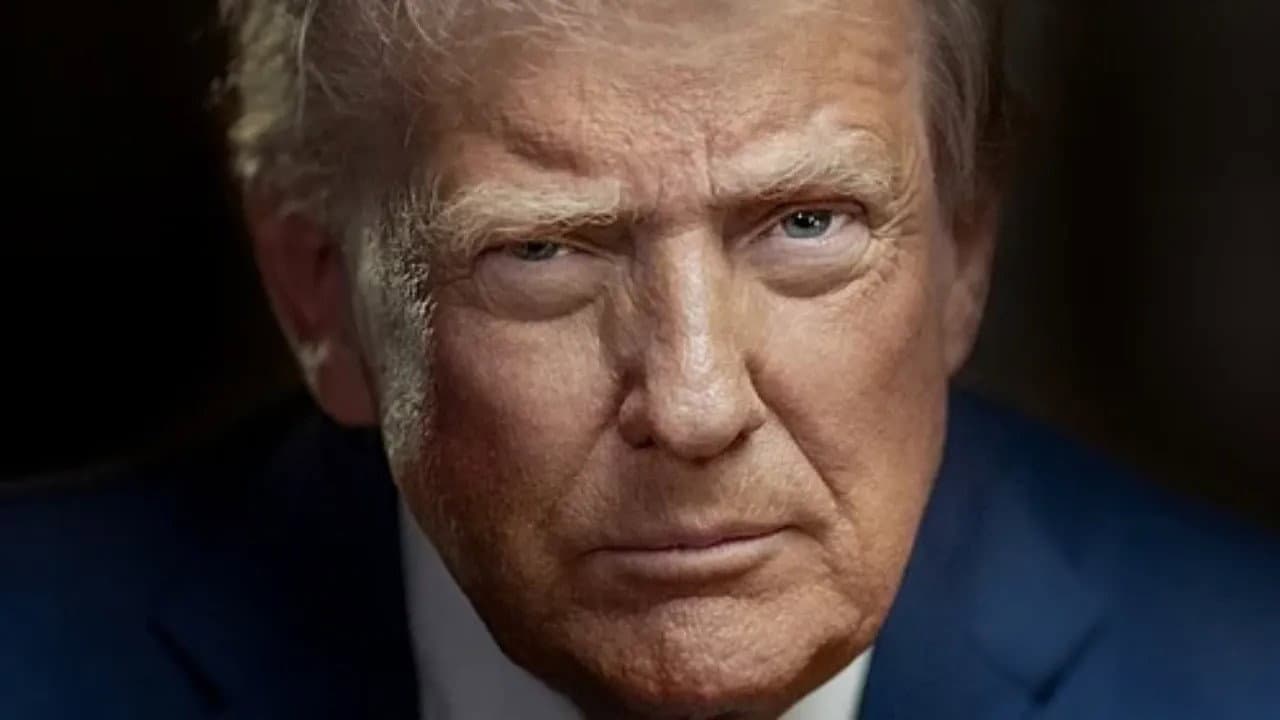
Trump, no Limit
A 51-minute documentary that treats economic coercion as serious policy, not personality theater
Trump, no Limit is a 2026 documentary that does something rare: it resists turning its subject into a character study. Directed by Hugo Van Offel and running 51 minutes, the film examines Donald Trump's trade policy, economic sanctions, and influence campaigns as a coherent system — what the film frames as imperialist ambitions pursued through economic pressure rather than military force. It's analytical, focused, and it trusts the audience to follow a complex argument without needing dramatic music cues to tell them how to feel.
The film's available on Apple TV (0+ rating, no content restrictions), and it carries an 8/10 IMDb score — strong for a political short this specific. If you're tired of documentaries that mistake outrage for argument, this one's worth your time.
Where to watch — and why the platform matters
You'll find Trump, no Limit on Apple TV with a full 51-minute runtime. That's your main access point right now. Movie OTT's where-to-watch tracker will flag if it lands on other platforms — ARTE co-productions sometimes shift between services depending on regional licensing, so it's worth checking if you're outside Europe.
The 0+ age rating might seem surprising for a political documentary. It's not because the film's naive or simplified; it's because Van Offel doesn't lean on graphic content or sensationalism. No alarming footage. No manufactured outrage. Just evidence and argument. That choice — to keep the material accessible rather than gatekeeping it — probably broadens the potential audience considerably.
What Van Offel actually does differently
Here's what strikes me: most documentaries about this subject spend half their runtime on Trump's biography, his contradictions, his personality quirks. Character studies dressed up as policy analysis. Van Offel doesn't bother. The man barely appears on screen — he's a structural fact, not the protagonist.
Instead, the film tracks how trade policy functions as a diplomatic weapon. Tariffs as leverage. Sanctions as coercion. Economic pressure as a substitute for harder forms of force. It's the kind of material that could easily become dry or overly academic, but the pacing works. Deliberate. Sometimes uncomfortably slow — and that slowness is the point. You're meant to sit with the argument, not be rushed past it.
One thing nobody mentions about political docs this focused: they're rare. Most oversell. This one doesn't. The craft is quiet. Evidence-based. Movie OTT tracks documentary releases across the major streaming platforms, and you'll notice immediately that Van Offel's restraint stands out against the usual breathless narration and dramatic scoring you get from other political shorts.
The film doesn't claim to have the final answer about whether this strategy works or what it's ultimately for — and that's actually its strength. It's interested in the pressure itself: how it's applied, who absorbs it, and what patterns emerge when you look at the full scope of it rather than isolated policy decisions.
The production: ARTE's fingerprints
Trump, no Limit is a co-production between Ah! Production and ARTE, the Franco-German public broadcaster. That matters. ARTE has a long track record of backing documentary work that commercial channels won't touch — the kind that gets time to breathe, time to build an argument without rushing toward a predetermined verdict.
Van Offel's a thoughtful fit for that model. The film clocks in at 51 minutes, which AlloCiné classifies as a court métrage (short film by French industry standards), though it's long enough that short and feature blur together. There's no wasted sequence. Focused work.
No box-office data exists for this — ARTE productions prioritize broadcast and streaming distribution over theatrical runs. That's by design. The whole model's built for depth of reach, not opening-weekend numbers.
If you liked... documentaries about power and policy
If you've watched The Two Popes and appreciated its focus on institutional mechanics over biographical drama, or if you've followed ARTE's documentary catalog (which tends toward rigorous structural analysis), this will feel immediately familiar. It's not a hit piece. It's not hagiography. It's the kind of work that assumes you can handle complexity without needing it simplified into a villain narrative.
The film's useful whether you agree with its framing or not. Hard to say if the framing will convince anyone who doesn't already suspect there's something systematic happening — but the argument's made through evidence rather than assertion, which is what separates documentaries that work from the ones that don't. You'll find opposing takes on the film's thesis across Movie OTT's review aggregation, but the production itself is solid.
Should you watch it? The direct answer.
Yes. If you're interested in how economic policy actually functions as statecraft — not as theory, but as applied pressure — this is worth 51 minutes. If you want something that respects your intelligence and doesn't pretend the answers are simple, watch it. If you're looking for a comfortable affirmation of what you already believe, look elsewhere.
It's a political documentary that doesn't mistake intensity for insight. Rare.