


What Twilight Zone: The Movie is about
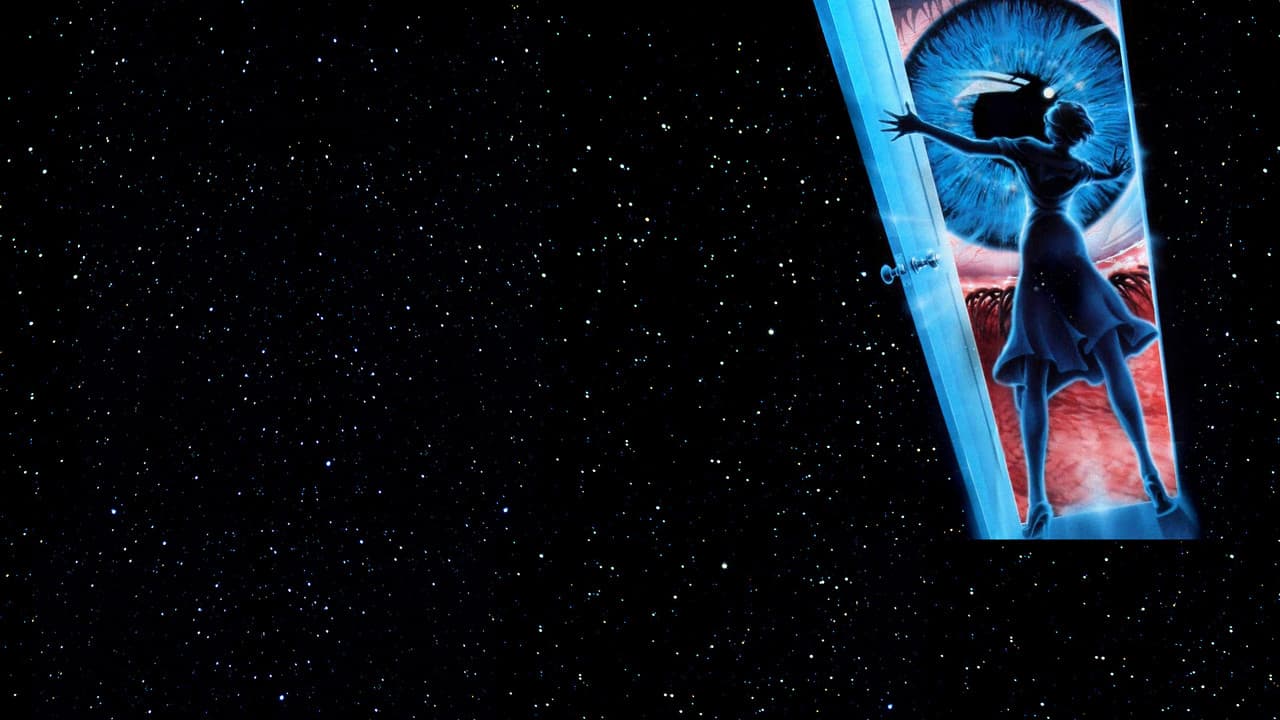
Twilight Zone: The Movie doesn't waste time. Within 101 minutes, you're yanked through four separate stories—each one a portal into the surreal, the dangerous, the impossible. Three of these tales are reimagined episodes from Rod Serling's legendary 1959–1964 television series: "Kick the Can" follows an elderly man convinced he can restore youth to his nursing home friends; "It's a Good Life" centers on a terrifying child with godlike powers; and "Nightmare at 20,000 Feet" traps a passenger on a plane with something unseen scratching at the wing. The fourth story, "Time Out," is an original creation—a cautionary tale about a man who discovers he can freeze time itself. What holds them together isn't a framing device so much as a shared philosophy: that the ordinary world contains hidden terrors, and that human nature itself can be the most dangerous force of all.
Behind the making of Twilight Zone: The Movie
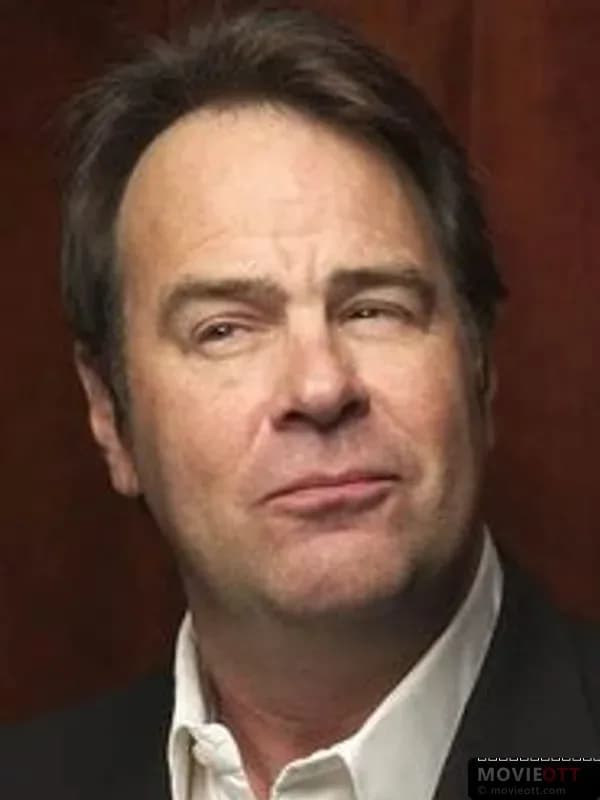
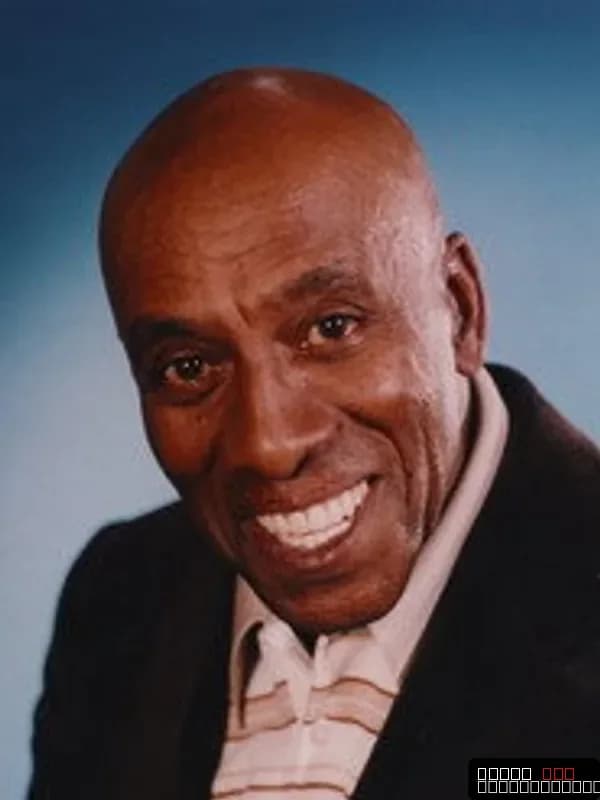
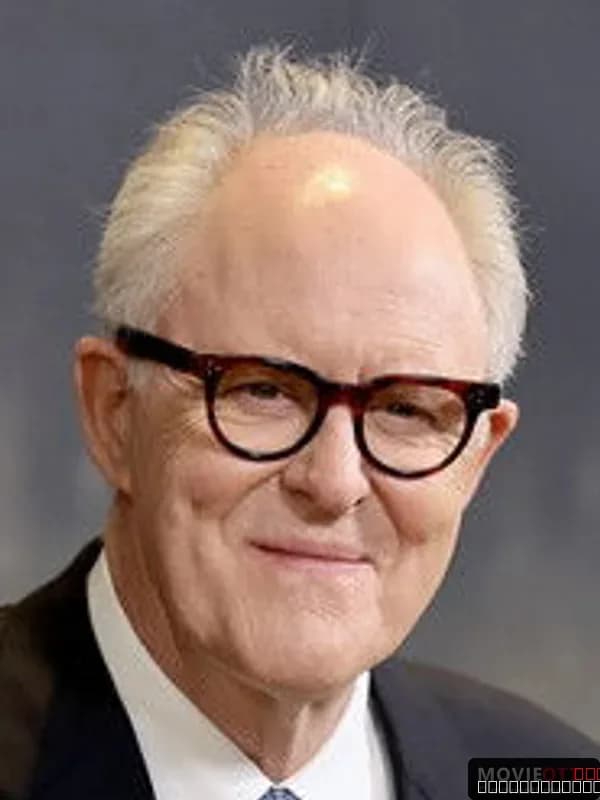
The film's pedigree is staggering. Producer Steven Spielberg—already a household name after Jaws and E.T.—assembled a dream team of directors. John Landis, fresh off the success of Animal House and An American Werewolf in London, helmed the original "Time Out" segment. Joe Dante, known for Gremlins, took on "It's a Good Life." George Miller, who'd directed Mad Max, handled "Nightmare at 20,000 Feet." And Spielberg himself directed "Kick the Can," bringing his signature warmth to what could have been a maudlin premise. The ensemble cast included Dan Aykroyd and Albert Brooks in the prologue, Scatman Crothers and John Lithgow in the main segments, and Vic Morrow in Landis's opening. Burgess Meredith, who'd appeared in the original series, returned to narrate—essentially stepping into Rod Serling's shoes. Released in 1983, the film arrived during a golden age of horror cinema, though it didn't achieve blockbuster status at the box office. Still, it's maintained a cult following, and its influence on anthology filmmaking—and on how Hollywood adapts beloved television—remains quietly significant. The IMDb rating of 6.49/10 reflects the film's uneven reception; some segments soar while others stumble, which is inevitable when four different filmmakers with distinct visions share a single canvas.
What makes Twilight Zone: The Movie stand out
Here's the thing nobody mentions: the film works best when it embraces its own artificiality. Spielberg's "Kick the Can" is almost too earnest—it's a sentimental meditation on aging and second chances that feels closer to his later work (Schindler's List, War Horse) than to the acidic bite Serling perfected. But Dante's "It's a Good Life" is something else entirely. The child at the center of that story doesn't just have powers; he has the casual cruelty of a god who's never learned empathy, and watching the adults around him navigate his whims—knowing that one wrong word could erase them from existence—creates a suffocating dread that the TV original couldn't quite achieve. Lithgow's performance in Miller's "Nightmare at 20,000 Feet" is a masterclass in contained panic; he's trapped by both circumstance and his own unreliability as a narrator, and you're never quite sure if what he's seeing is real or a symptom of his fragile mental state. What's striking is how the film doesn't always resolve neatly. It leaves you unsettled—which, frankly, is what the Twilight Zone always did best. The original series thrived on ambiguity, on that final twist that recontextualizes everything you've just watched, and this film honors that tradition, even if the execution is spotty across all four segments. If you're tracking down where the film lands critically, Movie OTT keeps tabs on how it's discussed across streaming platforms and review aggregators.
How to stream Twilight Zone: The Movie online
Twilight Zone: The Movie is available on major OTT services—check the "Where to Watch" widget at the top of this page for current availability in your region. Streaming catalogs shift constantly, so it's worth verifying which platform has it before you settle in. Movie OTT tracks these changes in real time, so you won't waste time hunting. The film works well as a late-night watch; it's short enough to finish in one sitting, yet substantial enough that you'll want to pause between segments and process what you've seen. The 101-minute runtime is generous enough to let each story breathe without feeling rushed, though the tonal whiplash between Spielberg's warmth and Dante's cruelty can be jarring—in the best way.
Frequently asked questions
Q: Who directed Twilight Zone: The Movie?
Four directors helmed the film: John Landis ("Time Out"), Steven Spielberg ("Kick the Can"), Joe Dante ("It's a Good Life"), and George Miller ("Nightmare at 20,000 Feet"). Each brought their own sensibility to the material, which is why the film feels like four short films stitched together rather than a unified whole.
Q: Is Twilight Zone: The Movie based on the TV series?
Yes—three of the four segments are remakes of episodes from Rod Serling's original 1959–1964 Twilight Zone television series. "Time Out" is the only original story created specifically for the film. The TV episodes had already proven their power, so the filmmakers' challenge was to expand and reinterpret them for cinema.
Q: What is the runtime of Twilight Zone: The Movie?
The film runs 101 minutes, making it a tight anthology that doesn't overstay its welcome. It's long enough to develop each story properly but short enough that you can watch it in one sitting without commitment fatigue.
Q: Who stars in Twilight Zone: The Movie?
The cast includes Dan Aykroyd, Albert Brooks, Scatman Crothers, John Lithgow, and Vic Morrow in the main segments. Burgess Meredith, who appeared in the original TV series, returns to serve as narrator. The ensemble approach means no single actor carries the entire film—each segment has its own leads.
Q: What's the IMDb rating for Twilight Zone: The Movie?
The film holds a 6.49/10 rating on IMDb, reflecting mixed critical and audience reception. Some segments are beloved while others are considered weaker, which is typical for anthology films where quality varies by director and story.
Final thoughts on Twilight Zone: The Movie
Twilight Zone: The Movie is worth watching if you're curious about how four major filmmakers tackled material that had already proven itself on television. It's not perfect—the unevenness is real, and you'll probably prefer some segments to others. But it captures something essential about the Twilight Zone formula: that twist of perspective, that moment where the rules shift and you realize you've been watching the wrong thing all along. It's a film that respects its source material while taking real risks, and that combination alone makes it worth your time.