



The story of Unnaipol Oruvan: A common man's dangerous game
Unnaipol Oruvan is a 2009 Tamil-language crime thriller that takes a deceptively simple premise and wrings maximum tension from it. A seemingly ordinary citizen—frustrated with the system's inability to stop terrorism—decides to take matters into his own hands by planting bombs across Chennai and making anonymous calls to police. His demand? Release four convicted terrorists. What unfolds isn't a straightforward hostage negotiation but a psychological duel between this anonymous caller and the city's police commissioner, who's determined to stop him before bodies pile up. The 120-minute runtime moves at a breakneck pace, rarely giving viewers time to catch their breath or predict where the moral compass will point next.
What makes the premise work isn't just the ticking-clock pressure. It's the fundamental question the film keeps circling back to: when the system fails, who has the right to break it? The anonymous caller isn't portrayed as a cartoon villain. He's someone who's watched injustice slide through cracks for too long, and he's willing to gamble with innocent lives to force change. That's the kind of moral quicksand that keeps audiences leaning forward in their seats.
Behind the making of Unnaipol Oruvan: A debut that caught fire
Unnaipol Oruvan marked the directorial debut of Chakri Toleti, who adapted the 2008 Hindi film A Wednesday! for Tamil audiences—and simultaneously remade it in Telugu as Eenadu, with actor Venkatesh taking the lead role opposite a different police commissioner. The dual production was an ambitious undertaking, and the fact that both versions landed with critical credibility speaks to Toleti's grip on the material.
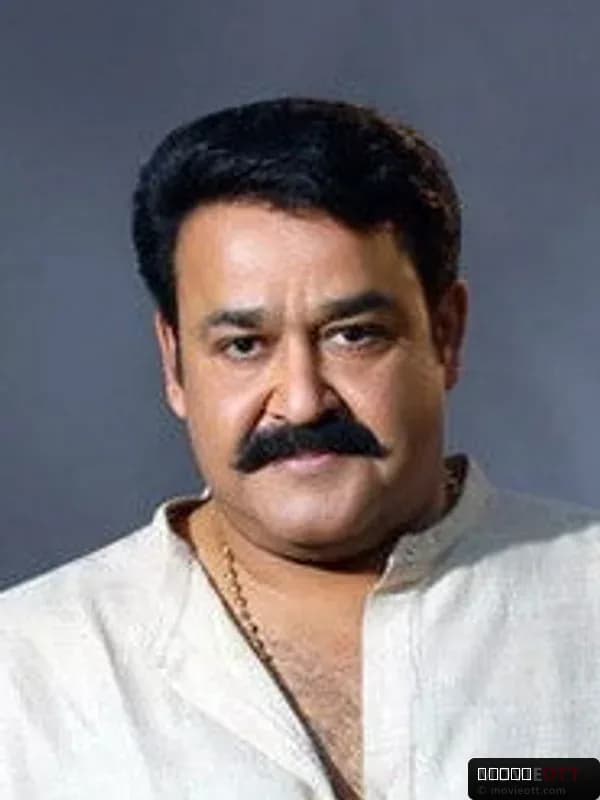
The film's casting was its biggest draw. Mohanlal, the Malayalam superstar, played the anonymous caller—a role that required him to convey menace and moral conviction through voice alone for much of the runtime, since the caller remains faceless and unidentified. Kamal Haasan, one of Tamil cinema's most respected actors, took the role of the police commissioner. Having two heavyweight performers in a two-hander dialogue was a calculated risk that paid off. The film was produced by UTV Motion Pictures and Raajkamal Films International, studios with track records of backing genre-driven content. Box office performance was solid—the film found its audience among thriller enthusiasts and those curious to see how the Hindi original would translate to regional sensibilities. On the critical side, it earned a 7/10 rating on IMDb, suggesting that while it wasn't universally beloved, it earned respect for its execution.
What makes Unnaipol Oruvan stand out: Performances and moral ambiguity
Here's what's striking about Unnaipol Oruvan: it refuses to let you settle into comfortable judgment. The police commissioner isn't a hero because he's wearing the uniform. The caller isn't a villain just because he's breaking laws. Both men believe they're right, and the film doesn't cheat by making one of them obviously wrong.
Mohanlal's performance—constrained to phone conversations and brief appearances—carries an intensity that doesn't rely on physical presence. He's building a character through tone, rhythm, and the weight of unspoken conviction. When he speaks, you listen. Kamal Haasan, meanwhile, gets to play the exhausted pragmatist, a cop who understands the system's rot but can't just ignore a bomb threat. The two actors never share a scene in the traditional sense, yet their verbal sparring feels like a heavyweight bout. That's craft. The thing nobody mentions is how much of this film's power comes from what we don't see—the tension lives in the spaces between dialogue, in the silence after a threat is made.
The screenplay keeps you guessing about motive and endgame. Is the caller truly committed to his cause, or is he testing the system? Will the commissioner cave to pressure, or will he find a way to stop him? The film doesn't answer these questions until the final act, and even then—depending on how you read it—there's room for interpretation. That's the mark of a thriller that respects its audience's intelligence. Movie OTT tracks current streaming availability for films like this across major platforms, making it easier to find where you can watch Unnaipol Oruvan when you want that kind of cerebral, morally complex viewing.
Where to stream Unnaipol Oruvan online
Unnaipol Oruvan is available on major OTT services, so you'll likely find it on whichever streaming subscription you already have—or one you can trial. The Where to Watch widget at the top of this page will show you the current platforms carrying it in your region. Since streaming rights shift regularly, checking that widget is your fastest route to finding the film. What's nice about a 2009 title with this much critical credibility is that it's had time to circulate across multiple services, so you're not hunting for some obscure catalog entry.
Frequently asked questions
Q: Who directed Unnaipol Oruvan?
Chakri Toleti directed the film in his feature directorial debut. He also simultaneously directed the Telugu-language remake Eenadu with a different lead actor, showing his ability to adapt the same story across regional markets.
Q: Is Unnaipol Oruvan based on a true story?
No. The film is a Tamil-language remake of the 2008 Hindi thriller A Wednesday!, adapted to a Chennai setting rather than being drawn from real events. The premise is fictional, though it explores themes relevant to urban terrorism concerns.
Q: Who stars in Unnaipol Oruvan?
Mohanlal plays the anonymous caller, and Kamal Haasan plays the police commissioner. Both are major stars in Indian cinema, and their performances anchor the film's cat-and-mouse dynamic.
Q: How long is Unnaipol Oruvan?
The film runs 120 minutes, a tight runtime that keeps the tension sustained without overstaying its welcome.
Q: Where can I watch Unnaipol Oruvan?
Unnaipol Oruvan is currently available on major OTT platforms. Use the Where to Watch widget above to find which service has it in your region, as availability changes over time.
Final thoughts on Unnaipol Oruvan: A thriller that earns its premise
Unnaipol Oruvan isn't a film that tries to be everything to everyone. It's a focused, intelligent thriller that trusts its actors and its premise. If you're the kind of viewer who likes crime dramas with moral weight—where the lines between right and wrong get genuinely blurry—this is worth seeking out. It won't give you easy answers. It'll just give you two men in a standoff, each convinced he's the only one who can save the city. That's enough.