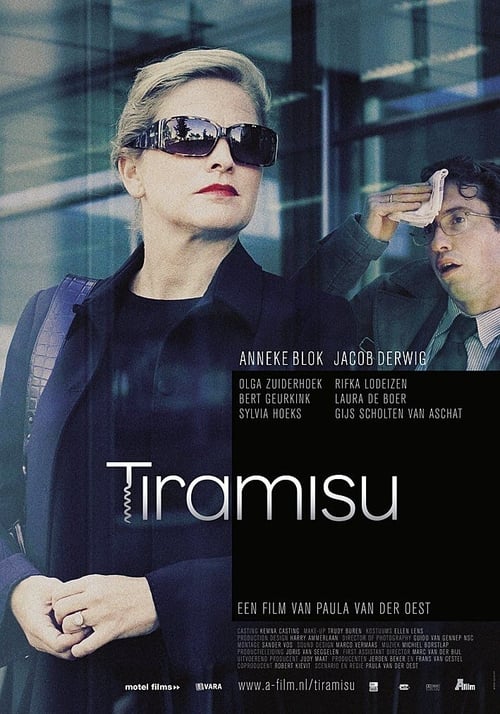


The Story of Upstream
Upstream follows a mother and son caught in the quiet gravity of emotional drift. When she opens her heart to a new love, the relationship that once anchored both of them begins to fray—slowly, almost imperceptibly at first, then with unmistakable weight. The film's central tension isn't a dramatic confrontation or a single betrayal; it's the accumulated silence between two people who've shared everything. Can they reconnect before the distance becomes permanent? That question drives the entire 103-minute runtime, and it's one that doesn't resolve neatly or offer easy comfort.
Director Danyael Sugawara crafts this story with restraint, letting the awkward pauses and unspoken resentments do the heavy lifting. There's no melodrama here—just the unglamorous reality of how families fracture under the weight of changing circumstances. What makes Upstream particularly compelling is its refusal to vilify anyone. The mother isn't cruel for seeking happiness; the son isn't unreasonable for feeling abandoned. They're both trapped in a situation where love and self-interest collide, and neither knows how to bridge the gap.
Behind the Making of Upstream
Upstream emerged from the Dutch film industry in 2009, a period when European cinema was increasingly turning inward to examine domestic life and interpersonal conflict. Director Danyael Sugawara assembled a cast of primarily Dutch actors—including Anneke Blok, Marnie Blok, Manuel Broekman, Lidewij Mahler, Ronald Top, Evert van der Meulen, and Wieger Windhorst—who bring authenticity and nuance to their roles. The ensemble approach, rather than centering on a single star, allows the film to explore the mother-son dynamic without resorting to melodramatic posturing.
The production itself reflects a commitment to intimate storytelling over spectacle. Shot with a naturalistic eye, the film captures Dutch interiors and landscapes with a kind of quiet dignity—nothing flashy, nothing designed to distract from the emotional core. On the festival circuit, Upstream found an audience among critics and viewers who appreciated its willingness to sit with discomfort rather than resolve it. While it didn't achieve major box-office success or sweep awards ceremonies, the film's 6.6 IMDb rating (based on 270 votes) reflects a solid critical appreciation among those who discovered it. It's the kind of film that Movie OTT helps surface for viewers searching for character-driven European drama—films that don't shout for attention but reward patient viewing.
What Makes Upstream Stand Out
What's striking about Upstream is how it resists the impulse to make anyone fully right or wrong. The mother's desire for romantic companionship is legitimate; her son's hurt at being sidelined is equally valid. That moral ambiguity—the refusal to pick sides—is what gives the film its depth. Most family dramas eventually crown a winner in the emotional stakes, but Sugawara keeps the tension alive throughout, never quite letting viewers settle into comfortable judgment.
The performances anchor everything. There's a particular scene (without spoiling specifics) where a conversation between mother and son devolves into mutual incomprehension—not because they're shouting, but because they're speaking past each other, each locked in their own pain. It's painfully recognizable if you've ever watched a relationship deteriorate not through betrayal but through simple misalignment. Anneke Blok and Marnie Blok carry much of the emotional weight, and their work is understated in the way that demands more from an audience than scenery-chewing ever could. You're not given cathartic moments or grand reconciliations—you're given the messy, uncertain reality of two people trying to love each other across a gap they can't quite measure.
The film also succeeds because it doesn't pretend that reconnection, if it comes, will be easy or total. There's no magic moment where everything clicks back into place. Instead, Upstream suggests that healing—if it happens at all—is incremental, fragile, and never guaranteed. That's what cinema often avoids, and it's precisely why this film matters. Movie OTT tracks current streaming availability across multiple platforms, making it easier than ever to find films like Upstream that prioritize emotional truth over conventional narrative satisfaction.
Where to Stream Upstream Online
Upstream is currently available on Netflix, making it accessible to millions of subscribers worldwide. If you're browsing Netflix's drama section and looking for something that won't demand constant emotional reassurance, this is a solid choice. The film's 103-minute runtime means it won't monopolize your evening—you can sit with it, absorb its quiet intensity, and reflect afterward. For the most current information on where Upstream is streaming and on which platforms it's available in your region, check the Where to Watch widget at the top of this page. Streaming rights shift regularly, so it's worth verifying before you settle in to watch.
Frequently asked questions
Q: Who directed Upstream?
Upstream was directed by Danyael Sugawara, a Dutch filmmaker known for character-focused narratives. Sugawara's approach emphasizes emotional realism over plot mechanics, which defines the film's restrained but powerful tone.
Q: Is Upstream based on a true story?
Upstream is a fictional narrative, not based on a specific true story. However, its exploration of family strain and emotional distance draws on universal human experiences that many viewers will recognize from their own lives.
Q: What's the runtime of Upstream?
The film runs 103 minutes, making it a lean, focused examination of its central conflict without excess padding or subplot sprawl.
Q: Where can I watch Upstream?
Upstream is currently available on Netflix. Streaming availability varies by region, so check your local Netflix catalog or the Where to Watch widget on this page for confirmation.
Q: What's the IMDb rating for Upstream?
Upstream holds a 6.6 out of 10 rating on IMDb based on 270 user votes, indicating solid appreciation among viewers who've seen it, though it remains relatively under-the-radar compared to mainstream releases.
Final Thoughts on Upstream
Upstream isn't a feel-good movie—it's a feel-real movie. If you're drawn to European drama that trusts its audience to sit with ambiguity and emotional complexity, this film deserves your time. It won't provide easy answers or cathartic resolution, but it will linger with you long after it ends. That's the mark of cinema that knows what it's doing. Worth watching.