



The Story of U.S. Marshals and Its High-Stakes Premise
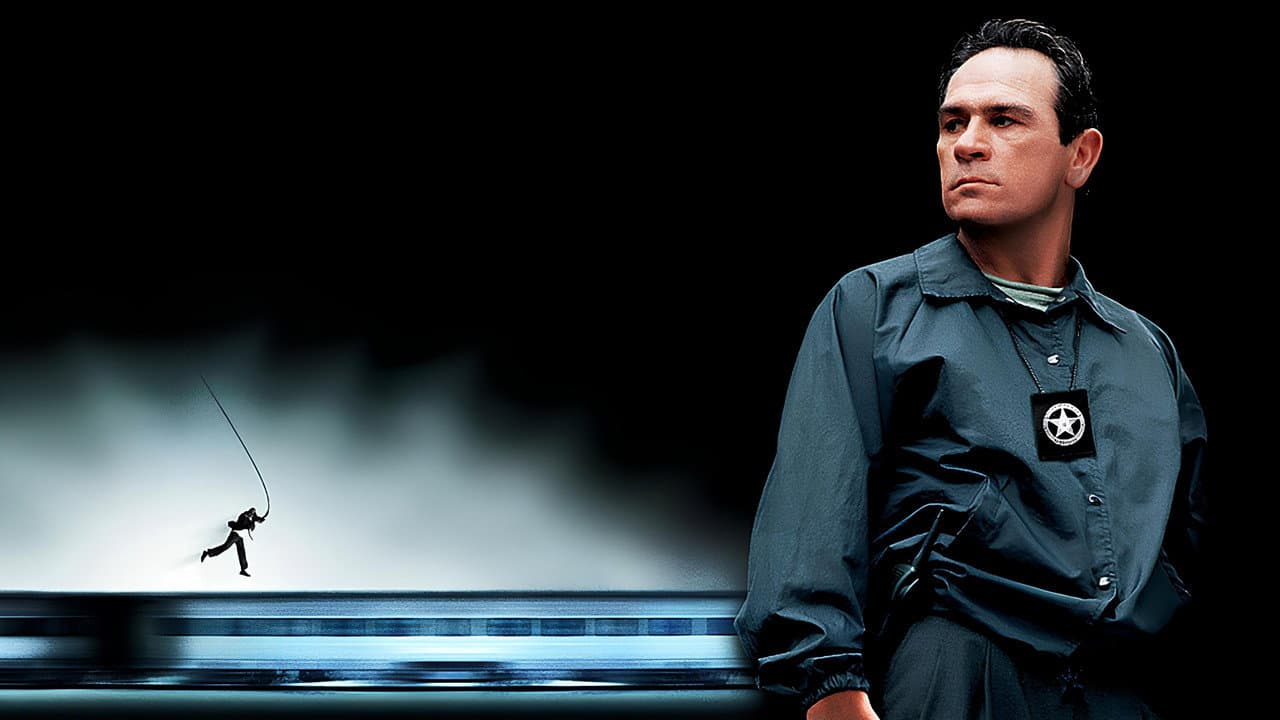
U.S. Marshals picks up where The Fugitive left off—not by revisiting Dr. Richard Kimble, but by asking a deceptively simple question: what if the fugitive you're chasing isn't actually the criminal you think he is? The 1998 film opens with Federal Marshal Samuel Gerard escorting a plane full of convicts from Chicago to New York. Routine job. Then the plane crashes spectacularly, and a prisoner named Mark Sheridan escapes into the chaos. But here's where it gets interesting: when Diplomatic Security Agent John Royce is assigned to help Gerard track Sheridan down, the investigation unravels into something far messier than a standard manhunt. Sheridan isn't just another murderer on the run. There's an international conspiracy lurking beneath the surface, and the closer Gerard gets, the less clear it becomes who's actually hunting whom.
Behind the Making of U.S. Marshals and Its Ensemble Cast
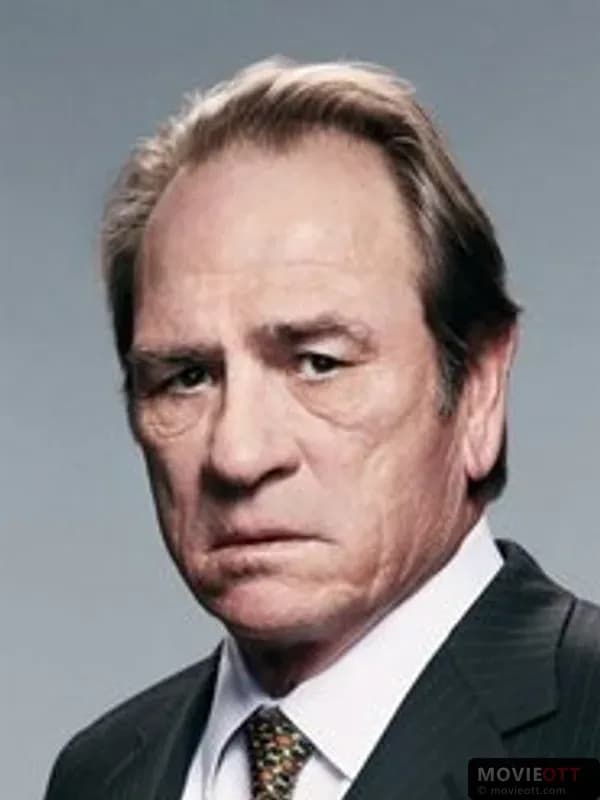
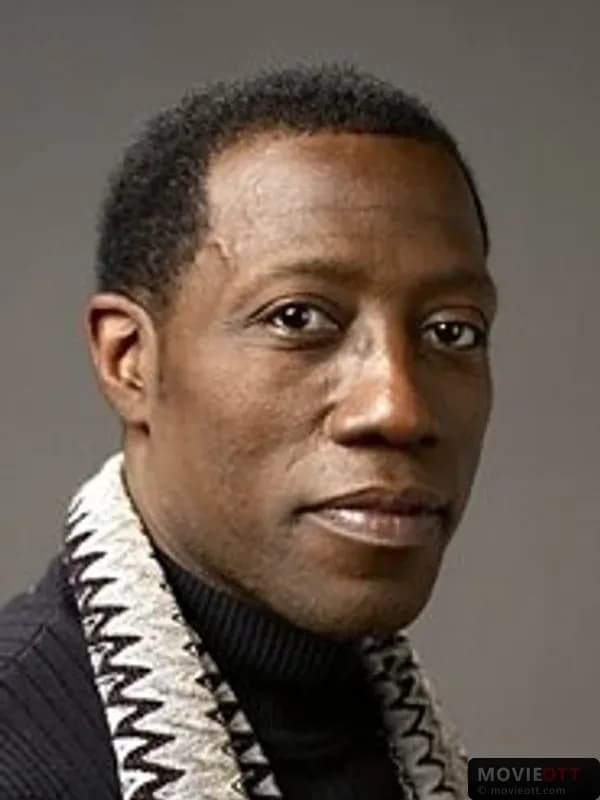
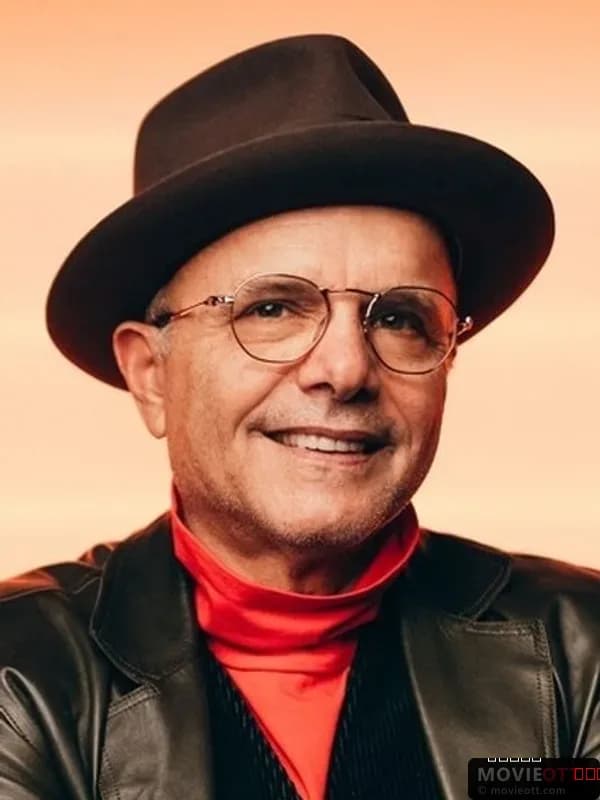
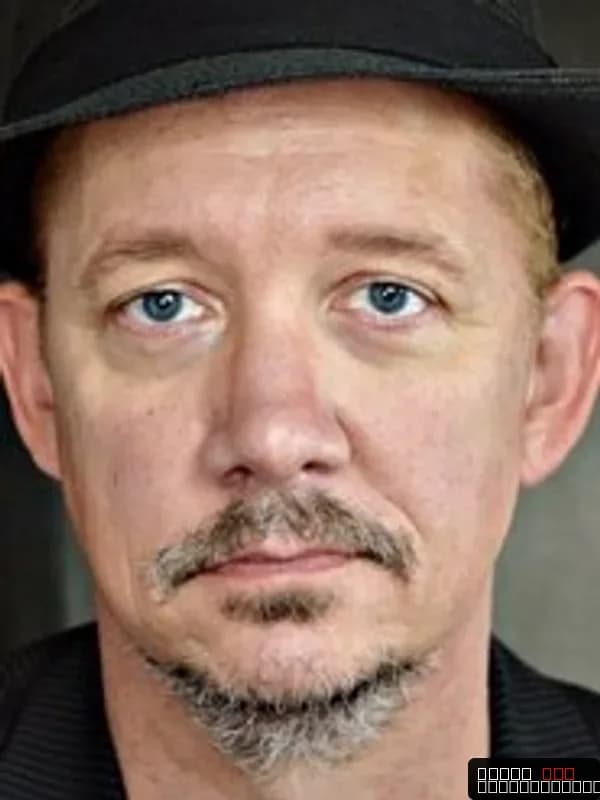
Director Stuart Baird took the helm for this sequel, inheriting both the strengths and the weight of following one of the 1990s' biggest hits. John Pogue wrote the screenplay, crafting a story that deliberately moves away from the singular obsession of The Fugitive and toward something more sprawling—a mystery with multiple angles and competing agendas. Tommy Lee Jones returned as Gerard, bringing that same granite-jawed determination that made the first film work. Wesley Snipes took on the role of Sheridan, an actor known for bringing complexity to morally ambiguous characters (this was the same year he appeared in Spike Lee's Clockers, after all). The supporting cast was stacked with returning deputies from the first film—Robert Downey Jr., Joe Pantoliano, Daniel Roebuck—plus fresh faces who'd go on to bigger things. Produced by Kopelson Entertainment and Warner Bros. Pictures, the film arrived in theaters carrying real expectations. The Fugitive had grossed over $368 million worldwide in 1993; U.S. Marshals was positioned as a franchise play, though the box office response was more modest than hoped. The film earned a respectable but not spectacular return, landing at an IMDb rating of 6.5/10—solid enough, though critics noted it lacked the lightning-in-a-bottle quality of its predecessor.
What Makes U.S. Marshals Stand Out as a Sequel That Works on Its Own Terms
There's something I keep coming back to with U.S. Marshals: it doesn't try to remake The Fugitive. Instead, it expands the universe in a way that's genuinely different. Where the first film was intimate—one man, one marshal, one truth—this one is baroque and tangled. Gerard's no longer the obsessive hunter chasing a single lead across America; he's a bureaucrat navigating competing interests, international politics, and the possibility that the person he's chasing might actually be innocent (or at least, not guilty of what everyone thinks). That's a harder sell than a straightforward chase, and maybe that's why audiences found it less gripping. But it's also what makes it interesting to revisit now. Tommy Lee Jones delivers what he does best: that dry, no-nonsense competence paired with moments of genuine human frustration. When he figures out he's been played, there's a scene where you see the realization dawn on his face—not melodramatic, just a man realizing the ground beneath him has shifted. Wesley Snipes brings an unsettling calm to Sheridan; you're never quite sure if he's a victim or a manipulator, which is exactly the point. The action sequences are well-crafted without being ostentatious. There's a prison-yard riot, a helicopter chase, a climax that ties together all the scattered threads. It's competent filmmaking—maybe pedestrian in places, as some reviewers have noted—but it's also confident in what it's trying to do.
How to Watch U.S. Marshals on Streaming Platforms
U.S. Marshals is available on major OTT services, and Movie OTT tracks where it's currently streaming so you don't have to hunt across five different apps. The film's 131-minute runtime makes it a solid evening commitment—long enough to let the conspiracy unfold properly, but not so long that you're checking your phone by the halfway mark. Since streaming rights shift seasonally, the Where to Watch widget at the top of this page will show you exactly which platforms have it available right now in your region. Whether you're revisiting it after twenty-five years or discovering it for the first time, it's worth having in your queue if you're in the mood for a 1990s action-thriller that doesn't insult your intelligence.
Frequently Asked Questions
Q: Is U.S. Marshals a direct sequel to The Fugitive?
Yes, U.S. Marshals is the second installment in The Fugitive franchise, released five years after the original. However, it focuses on a new fugitive and conspiracy rather than revisiting the events of the first film, making it feel like a spiritual successor rather than a direct continuation.
Q: Does Richard Kimble appear in U.S. Marshals?
No, Dr. Richard Kimble doesn't appear in this sequel. The story centers entirely on Federal Marshal Sam Gerard and his pursuit of a new fugitive, Mark Sheridan, allowing the film to stand as its own mystery rather than rely on callbacks to the first film.
Q: Who directed U.S. Marshals?
Stuart Baird directed U.S. Marshals, with a screenplay by John Pogue. The film was produced by Kopelson Entertainment and Warner Bros. Pictures and released in 1998.
Q: How long is U.S. Marshals?
The film runs 131 minutes (just over two hours), giving it enough time to develop its conspiracy plot and action sequences without feeling bloated.
Q: Why does Mark Sheridan escape if he's not guilty?
That's the central mystery of the film. Sheridan's escape and the reasons behind it tie directly into an international conspiracy that involves more powerful people than anyone initially realizes—but I won't spoil how that unravels.
Final Thoughts on U.S. Marshals as a 1990s Action-Thriller
U.S. Marshals doesn't have the cultural staying power of The Fugitive, and it probably never will. But it's a smart, well-executed thriller that understands its own limitations and works within them. If you're hunting for a streaming pick that won't waste your time—something with genuine tension, solid performances, and a plot that actually makes you think about who's telling the truth—it's worth the two-hour investment. Tommy Lee Jones fans will appreciate seeing Gerard in a more complicated situation, and if you've got a taste for 1990s action cinema, this is solid comfort food.