


The story of Vaagai Sooda Vaa
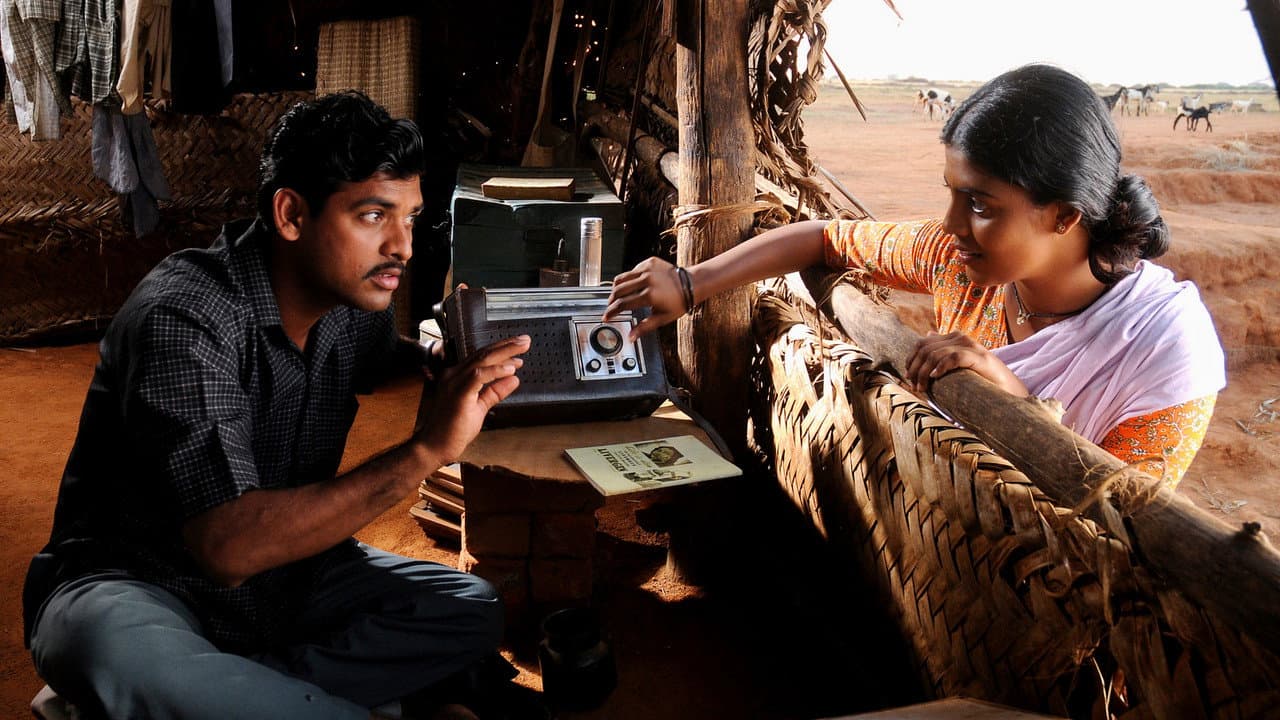
Vaagai Sooda Vaa tells the story of Veluthambi, a man with modest dreams—a government job, a stable life in the city. But when he lands in a remote village in Tamil Nadu to teach poor children, everything shifts. He discovers something far darker than educational neglect: the kids aren't just underprivileged. They're bonded labourers, trapped in a system that treats them as property. What begins as a temporary teaching gig becomes a moral reckoning, and Veluthambi faces a choice between personal security and collective liberation. The 123-minute drama unfolds against the backdrop of the 1960s, a period when such exploitation wasn't a historical curiosity—it was everyday reality. Director A. Sarkunam sets the film in that specific moment, grounding the story in a time when resistance meant real risk, when standing up wasn't celebrated in think pieces but met with genuine danger.
Behind the making of Vaagai Sooda Vaa
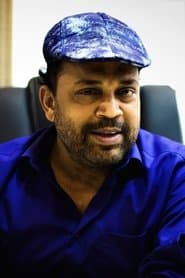
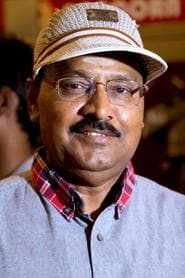
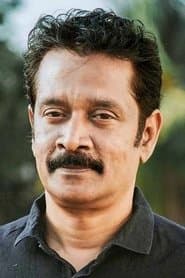
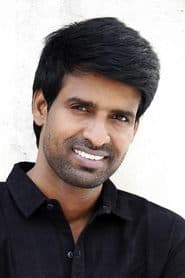
Vaagai Sooda Vaa arrived in September 2011 as a project from Village Theatres, written and directed by A. Sarkunam, a filmmaker interested in stories that sit at the intersection of personal ambition and social conscience. The film stars Vimal in the lead role alongside Ineya, with Bhagyaraj, Ponvannan, and Thambi Ramaiah rounding out the ensemble cast. While it didn't become a blockbuster—box office returns were modest—the film's artistic merit didn't go unnoticed. The real validation came from India's National Film Awards, where Vaagai Sooda Vaa won Best Feature Film in Tamil for 2012. That recognition placed it among the country's most significant Tamil-language films of the year, a distinction that speaks to both the film's craftsmanship and its thematic weight. When Movie OTT tracks major releases from this era, Vaagai Sooda Vaa consistently appears as one of the essential Tamil dramas worth revisiting—a film that earned its place through artistic achievement rather than commercial muscle.
What makes Vaagai Sooda Vaa stand out
Here's what's striking about Vaagai Sooda Vaa: it doesn't grandstand. The film could've turned Veluthambi into a saviour figure, a crusading outsider who swoops in to rescue the helpless. Instead, it treats him as a man learning to see—learning that his own ambitions pale beside the urgency of what's happening around him. Vimal's performance carries that transformation quietly, without big speeches or theatrical revelation. There's a scene where he first realizes the true nature of the children's situation, and the actor lets it register through his eyes before his mouth catches up to what his conscience already knows. That restraint is what separates this from melodrama. The film's commitment to the 1960s setting—visually, tonally, in the way it frames the village landscape—creates a kind of immersive period authenticity that makes the bonded labour system feel not like history but like something that might've happened yesterday. I keep coming back to how the film refuses easy answers. Veluthambi's awakening isn't a complete transformation; it's messy, uncertain, and the ending doesn't resolve everything with a neat bow. That's what makes it feel true. Movie OTT's streaming availability means more viewers can experience this kind of nuanced storytelling, the kind that doesn't lecture but lets you sit with contradiction and complexity.
Where to stream Vaagai Sooda Vaa online
Vaagai Sooda Vaa is currently available on major OTT services, and you can check the Where to Watch widget at the top of this page to see exactly which platforms are carrying it in your region. Streaming availability shifts regularly—titles move between services, licensing windows change—so that widget stays updated in real time. Rather than hunting across multiple apps, Movie OTT consolidates that information so you can see where the film is actually watchable right now. Whether you're browsing on a phone or desktop, the widget gives you direct access to each platform's rental or subscription option. The film's runtime of 123 minutes means it's a proper evening commitment, the kind of drama that rewards full attention without demanding an entire weekend.
Frequently asked questions
Q: Who directed Vaagai Sooda Vaa?
The film was written and directed by A. Sarkunam. It was his project to bring this story of social awakening and resistance to the screen, and his vision earned the film recognition at India's National Film Awards.
Q: Is Vaagai Sooda Vaa based on a true story?
While the film is set in the 1960s and addresses the real historical problem of bonded labour in rural Tamil Nadu, it's a fictional narrative rather than a direct adaptation of a specific true story. That said, the issues it portrays reflect genuine social realities of that era.
Q: What's the IMDb rating for Vaagai Sooda Vaa?
The film holds a 7.2/10 rating on IMDb, reflecting generally positive viewer reception despite its modest box office performance at the time of release.
Q: Who stars in Vaagai Sooda Vaa?
Vimal plays the lead role of Veluthambi, with Ineya opposite him. The supporting cast includes Bhagyaraj, Ponvannan, and Thambi Ramaiah, all accomplished Tamil actors.
Q: When was Vaagai Sooda Vaa released?
The film released on September 30, 2011, and went on to win the National Film Award for Best Feature Film in Tamil in 2012.
Final thoughts on Vaagai Sooda Vaa
Vaagai Sooda Vaa is the kind of film that lingers. Not because it's flashy or emotionally manipulative, but because it trusts you to understand its moral weight without spelling it out. It's a drama about conscience, about the moment when personal ambition collides with collective suffering—and what happens when conscience wins. If you're looking for Tamil cinema that goes beyond entertainment into genuine artistic territory, this one's worth your time. The National Film Award wasn't a fluke; it was recognition of something real.