What Vampire (1979) is Really About
Vampire isn't your cape-and-fangs gothic romance. This 1979 American horror film, directed by E.W. Swackhamer, operates on a different frequency entirely—it's a slow-burn supernatural thriller that treats its premise with genuine dread. The story follows a small-town community grappling with the sudden arrival of an otherworldly evil, one that doesn't announce itself with dramatic flourishes but instead seeps into everyday life like poison in water. Without spoiling the specifics, the film builds its tension by making the audience feel what the characters feel: confusion, paranoia, and the creeping certainty that something is profoundly wrong. At 85 minutes, it doesn't overstay its welcome, which is exactly what this kind of material needs.
How Vampire (1979) Came Together as a Made-for-TV Event
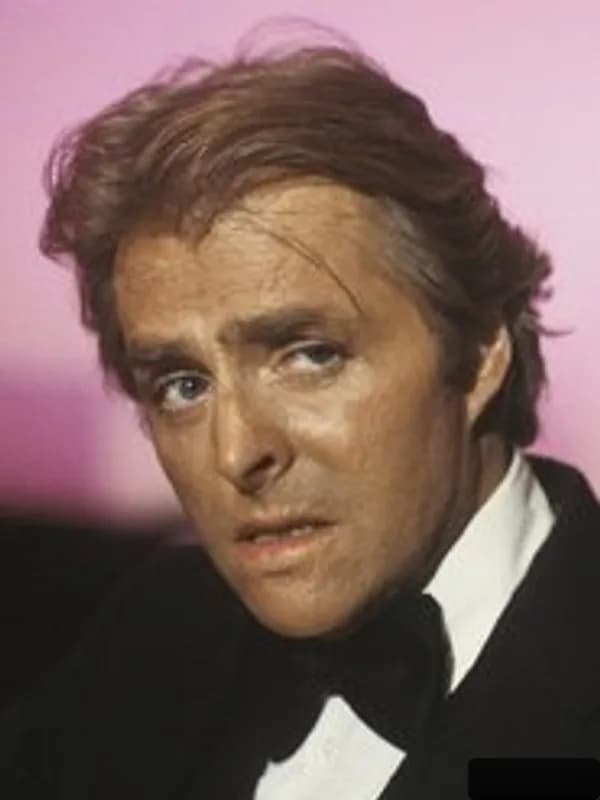
Vampire was born from the creative partnership of Steven Bochco, the legendary television producer and co-writer who'd later create Hill Street Blues and L.A. Law—shows that redefined what television drama could be. Bochco's involvement here is worth noting because it suggests the network took the material seriously, even if it was slated for broadcast rather than theatrical release. The film assembled a genuinely strong cast: Jason Miller (best known for his Oscar-nominated turn in The Exorcist) anchors the ensemble, while Richard Lynch—a character actor with an unsettling screen presence—brings menace to his role. E.G. Marshall, the veteran actor with that gravitas that only comes from decades in the craft, rounds out the upper tier. Kathryn Harrold, Barrie Youngfellow, Michael Tucker, and Jonelle Allen fill out the supporting roles with the kind of competent, understated acting that made 1970s television horror feel lived-in rather than theatrical. The IMDb rating sits at 5.1/10, which tells you this isn't a film that's won over mainstream audiences—but cult appreciation and broad popularity aren't the same thing, and that gap is often where the most interesting films live.
Why Vampire (1979) Still Works as a Horror Film
What's striking is how much Vampire trusts its audience to sit with discomfort. There's no jump-scare formula here, no manufactured climaxes designed to jolt you out of your seat. Instead, the film builds a mood—a persistent wrongness that accumulates across its runtime. The performances matter enormously to this approach. Miller doesn't play heroic; he plays confused and increasingly desperate, which feels more honest to how a person would actually react to the inexplicable. Lynch, meanwhile, carries an unsettling quality that doesn't require him to chew scenery; his presence alone becomes the threat. I keep coming back to how deliberately the film paces itself, refusing to explain everything, trusting that ambiguity is scarier than exposition. The thing that makes 1970s horror work—when it works—is this exact commitment to atmosphere over mechanics. Vampire doesn't have elaborate special effects or elaborate set pieces. It has a story, some solid actors, and the discipline to let tension build rather than detonate. That's harder to pull off than it sounds, and it's also why some of these older made-for-TV films have aged better than you'd expect.
Where to Stream Vampire (1979) Right Now
Vampire is currently available on Prime Video, which means if you've got an Amazon subscription, you can access it immediately without hunting down physical media or sketchy streaming links. The film plays well on a modern television—the 1979 picture quality holds up reasonably, and the audio is clear enough that you won't miss the subtle sound design that builds the creeping dread. Movie OTT tracks current streaming availability across multiple platforms, so if you're checking back later and wondering whether Vampire has moved to a different service, that's the place to verify. For now, Prime Video is your destination. The runtime—just 85 minutes—makes it an easy evening watch, the kind of thing you can actually finish in one sitting without the commitment that longer horror films demand.
Frequently asked questions
Q: Who directed Vampire (1979)?
E.W. Swackhamer directed the film, with Steven Bochco serving as co-writer and producer. Bochco's involvement as a major television creative figure gave the project significant credibility for a made-for-TV horror effort.
Q: Where can I watch Vampire (1979)?
Vampire is currently streaming on Prime Video. Check the Where to Watch widget at the top of this page for the most up-to-date platform availability.
Q: What's the runtime of Vampire (1979)?
The film runs 85 minutes, making it a lean, focused horror experience that doesn't overstay its welcome.
Q: Is Vampire (1979) based on a true story?
No, Vampire is an original fictional work created for television. It's not an adaptation of a novel or real-world event, though it draws on classic vampire mythology and reinterprets it for a contemporary 1970s setting.
Q: Why is Vampire (1979) rated 5.1 on IMDb?
The film has a modest IMDb rating, suggesting it hasn't achieved mainstream critical consensus. However, lower ratings don't always reflect cult appeal or the specific appeal to horror fans who appreciate slower-burn, atmosphere-driven scares over conventional thrills.
Final Thoughts on Vampire (1979)
Vampire isn't going to convert skeptics into horror devotees, and it's not trying to. What it is—a competent, atmospheric 85-minute television horror film with a solid cast and genuine commitment to mood—makes it worth your time if you're the kind of viewer who appreciates 1970s horror on its own terms. It doesn't need to be a masterpiece to be worthwhile. Sometimes a well-made, unpretentious thriller that respects its audience's intelligence is enough. Stream it on Prime Video on a weeknight when you've got time to sit with it. You'll know pretty quickly whether it's clicking for you, and if it does, you've got a genuinely unsettling evening ahead.