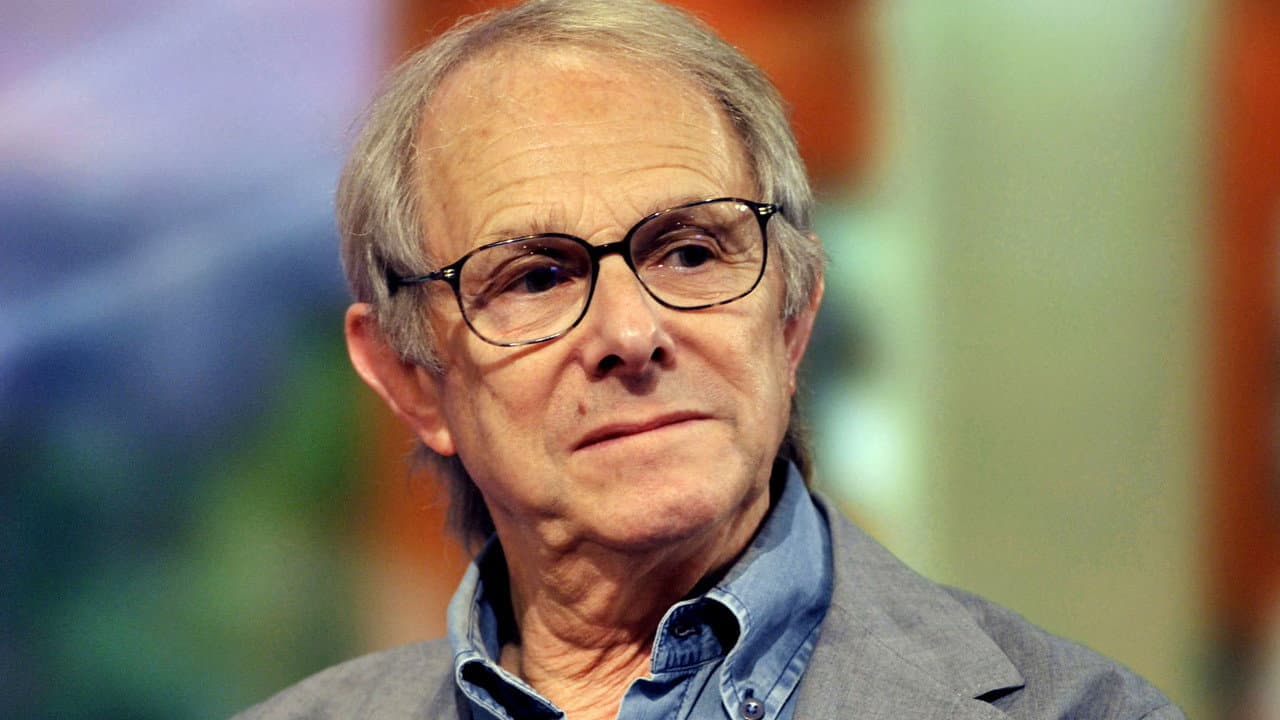
Versus: The Life and Films of Ken Loach
Louise Osmond's 2016 documentary catches Ken Loach at 80, looking back across five decades of filmmaking while preparing to release what he's called his final major work. It's candid, sometimes playful, and genuinely essential if you care about British cinema — or about how a filmmaker stays politically committed without becoming a parody of himself.
Why This Documentary Works When Most Filmmaker Docs Don't
Osmond doesn't treat Loach like a monument. There's friction here. You watch him bristle at critics, at the industry, at politicians — and the film earns its title because "versus" isn't metaphorical. It describes a career defined by opposition: to Thatcherism, to the Iraq War, to cinema that flatters instead of challenges.
What strikes me most is how the film refuses to separate Loach's politics from his craft. They're not two different things. They're the same thing. The documentary shows this without spelling it out — you see it happen when he talks about casting non-professional actors for Kes in 1969, or when archival clips from Cathy Come Home (1966) play while he explains what he was actually trying to do. One sequence, revisiting how he found Dai Bradley to play young Billy Casper, lands with quiet force. Loach talks about it with total matter-of-factness, which somehow makes it more moving.
According to Film Review Daily, critics called the film "spry, sharp-witted" and "indispensable" for understanding not just Loach's movies but the British working-class tradition they emerge from. That word — indispensable — gets thrown around constantly in arts writing. Here it fits.
The Access That Makes This Different
Rebecca O'Brien produced the film. She's been Loach's producing partner for decades, which explains everything about why the footage feels unguarded. You don't get this kind of candor from a filmmaker by sending a stranger with a camera.
The consortium backing it — BBC Films, the BFI, Sixteen Films, and Dogwoof (a serious UK documentary distributor) — signals intent without stuffiness. But the real value is in who shows up. Tony Garnett, Loach's longtime collaborator from his early BBC days. Ricky Tomlinson, who worked with him on Riff-Raff. Dai Bradley himself. Cillian Murphy, who starred in The Wind That Shakes the Barley — and hearing Murphy talk about working with Loach carries different weight now, given what Murphy's become since.
Hard to say if any other documentary about a British filmmaker has assembled quite this range of voices across such a long timeline.
Where to Watch — and What to Know First
Versus was released in 2016, timed to coincide with I, Daniel Blake's Cannes premiere (Loach won his second Palme d'Or that year). The runtime is 93 minutes. It's available on major platforms including Apple TV as a VOD rental. Streaming availability shifts by region — documentaries don't always have the cross-platform footprint of mainstream features — so checking Movie OTT's where-to-watch tracker before assuming it's on your usual service saves frustration.
If you're unfamiliar with Loach's work, don't let that stop you. The documentary is structured to work as an introduction. It covers everything from Cathy Come Home (the 1966 BBC play that shocked Britain into a national conversation about homelessness) through to his later Cannes-celebrated features. You won't feel lost. You'll actually understand why Loach matters.
The Structure and Craft Worth Noticing
Osmond doesn't lean on talking-head interviews as a crutch. Archival footage runs throughout — clips from Cathy Come Home, from Kes, from Riff-Raff — and they land differently when you're watching them in context of the man explaining what he was trying to do. This is smart filmmaking. The kind of documentary that respects both its subject and its audience.
One thing nobody really mentions: Loach turned 80 while this was being made. The film captures something bittersweet about that — an artist at the end of a major chapter, still angry, still committed, still believing cinema can matter. Not comfortable viewing. But genuinely rewarding. And if it sends you back to Kes or Cathy Come Home afterward, that's the whole point.
Who Should Actually Watch This
Anyone serious about British cinema. But also — if you've never seen a Ken Loach film and want to understand why he's polarizing, start here. The documentary gives you context without condescension. It shows you what he was fighting against and what he was fighting for. You'll either want to watch all his films or you'll understand why you don't — and both responses are valid.
Movie OTT tracks current streaming availability across services so you can find it without hunting. It's worth the 93 minutes, honestly.