The Story of Vigour: Art, Grief, and Dangerous Obsession
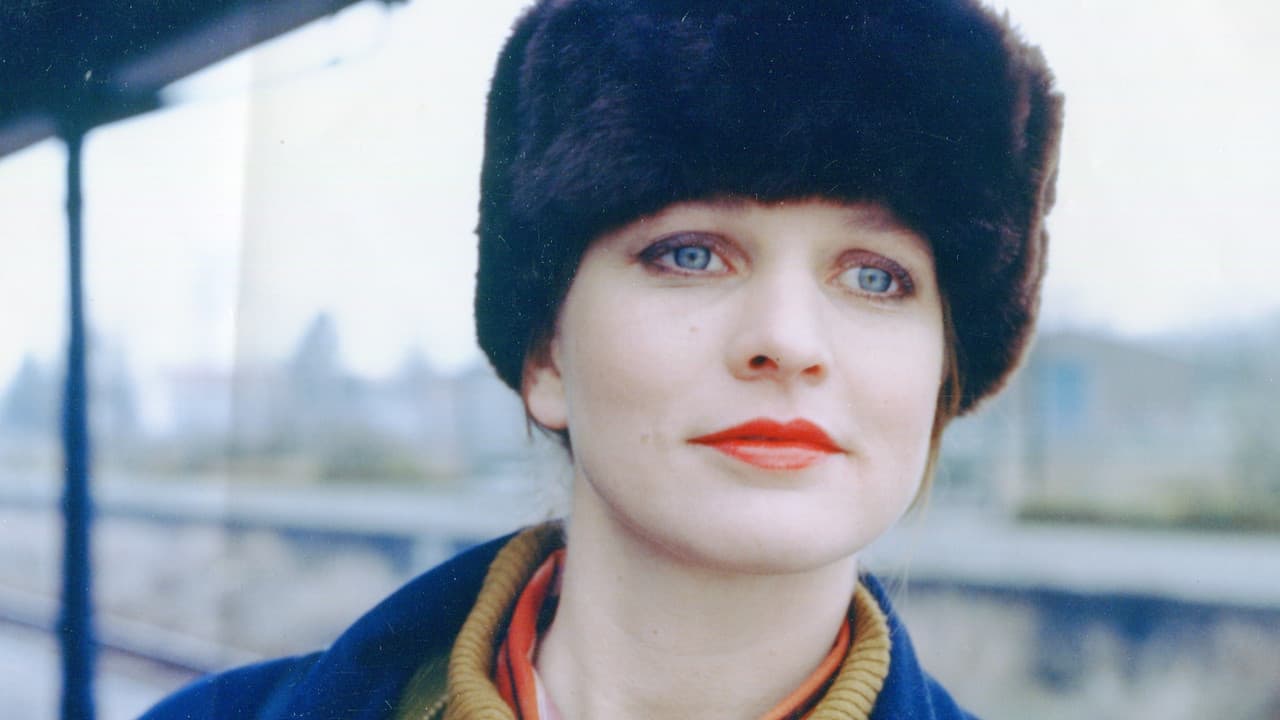
Vigour tells the story of a frustrated artist who leaves the city behind, seeking refuge and meaning in the countryside. She finds herself drawn to a recently widowed farmer—a quiet man still grieving the loss of his wife. What begins as a simple desire for companionship becomes something far more complicated. To win his affection and fill the emotional void she senses in him, she begins to reshape herself, mimicking the mannerisms, tastes, and even the identity of his dead wife. It's a premise built on a dangerous assumption: that you can become someone else if you try hard enough. What unfolds is a slow-burn exploration of how far someone will go when they're willing to abandon their own identity, and what happens when that reinvention crosses from flattery into something unsettling. The film doesn't rush toward its revelations—instead, it lets the tension build quietly, the way a relationship deteriorates when it's founded on deception rather than truth.
Behind the Making of Vigour: Production and Craft
Vigour emerged from Sigma Film Productions and trust toneel in 1990, a period when European cinema was increasingly interested in psychological character studies that rejected easy answers or tidy resolutions. The film's 100-minute runtime allows space for the kind of slow character development that mainstream cinema often abandons in favor of plot momentum. While Vigour didn't become a major box office phenomenon, it found an audience among critics and viewers interested in nuanced, uncomfortable narratives about human motivation and desire.
The production design and cinematography work in concert to reinforce the film's central theme: the erasure of identity. The farmer's home becomes a character in itself—austere, tied to memory, resistant to change. When the artist begins to inhabit this space, we watch her literally try to fit into corners not meant for her. The performances carry the weight of the story. There's no grand confrontation or explosive argument; instead, the drama lives in glances, in the spaces between words, in what isn't said. This restraint is what makes the film's premise so effective. You're not watching a thriller with jump scares or a melodrama with sweeping declarations. You're watching two people trapped in a dynamic neither of them fully understands, and that ambiguity is where the real discomfort lives.
What Makes Vigour Stand Out: Performance and Psychological Tension
What's striking about Vigour is how it refuses to judge its protagonist outright. She's not a villain—she's desperate, lonely, and convinced that transformation is the path to belonging. The performance captures that desperation without ever tipping into caricature. The farmer, too, is presented with empathy; he's not a dupe, but a man so trapped in grief that he can't quite see what's happening in front of him. Or maybe he does see it and doesn't care, because her presence—even a false version of it—is better than the silence.
I keep coming back to how the film treats the act of mimicry itself. It's not presented as theatrical or absurd, but as something almost clinical, methodical. The artist studies her subject the way she might study a painting, breaking down elements until she can reconstruct them. There's something both tragic and chilling about that approach. The film also resists the urge to explain everything away with psychology or backstory. We don't get a scene where she reveals her trauma or he reveals his guilt. Instead, the audience is left to piece together motivations from behavior, which is how real people actually work. That's harder to watch, in some ways, because there's nowhere to hide—no convenient explanation that lets us distance ourselves from these characters.
How to Watch Vigour Online
Vigour is available on major OTT services, making it accessible to anyone interested in psychological dramas from the early 1990s. Movie OTT tracks current streaming availability across platforms, so you can find exactly where the film is streaming right now in your region. The "Where to Watch" widget at the top of this page shows you every platform currently offering Vigour, so you won't waste time searching. Since streaming rights shift regularly, checking that widget before you start ensures you'll know exactly where to find it. It's one of the advantages of using a streaming aggregator—you get real-time information rather than outdated links.
Frequently Asked Questions
Q: What year was Vigour released?
Vigour came out in 1990 and was produced by Sigma Film Productions and trust toneel. It's a 100-minute drama that reflects the European cinema of that era.
Q: Is Vigour based on a true story?
No, Vigour is a fictional psychological drama. The premise—an artist attempting to replace a dead wife—is invented, though the themes of grief, identity, and obsession are universal enough to feel grounded in real human experience.
Q: What's the IMDb rating for Vigour?
Vigour holds a 6.2/10 rating on IMDb, reflecting mixed but generally positive reception from viewers who appreciate its slow-burn approach and psychological depth.
Q: Why would an artist try to become someone else?
The film explores how loneliness and rejection can drive people to abandon their authentic selves. The artist believes that by becoming the farmer's dead wife, she can finally be loved. It's a study in how desperation can override self-preservation.
Q: Where can I stream Vigour right now?
Vigour is currently available on major OTT platforms. Check the "Where to Watch" widget at the top of this page for the most up-to-date streaming options in your region.
Final Thoughts on Vigour
Vigour isn't a film that leaves you feeling satisfied or uplifted. That's kind of the point. It's a film about the impossibility of becoming someone else, about how grief can warp both the grieving and those around them, and about the price of seeking belonging at any cost. If you're drawn to character-driven dramas that trust their audience to sit with discomfort rather than resolve it neatly, Vigour deserves your time. It's a film that lingers.