




Unraveling the Deceptive Web in Violence
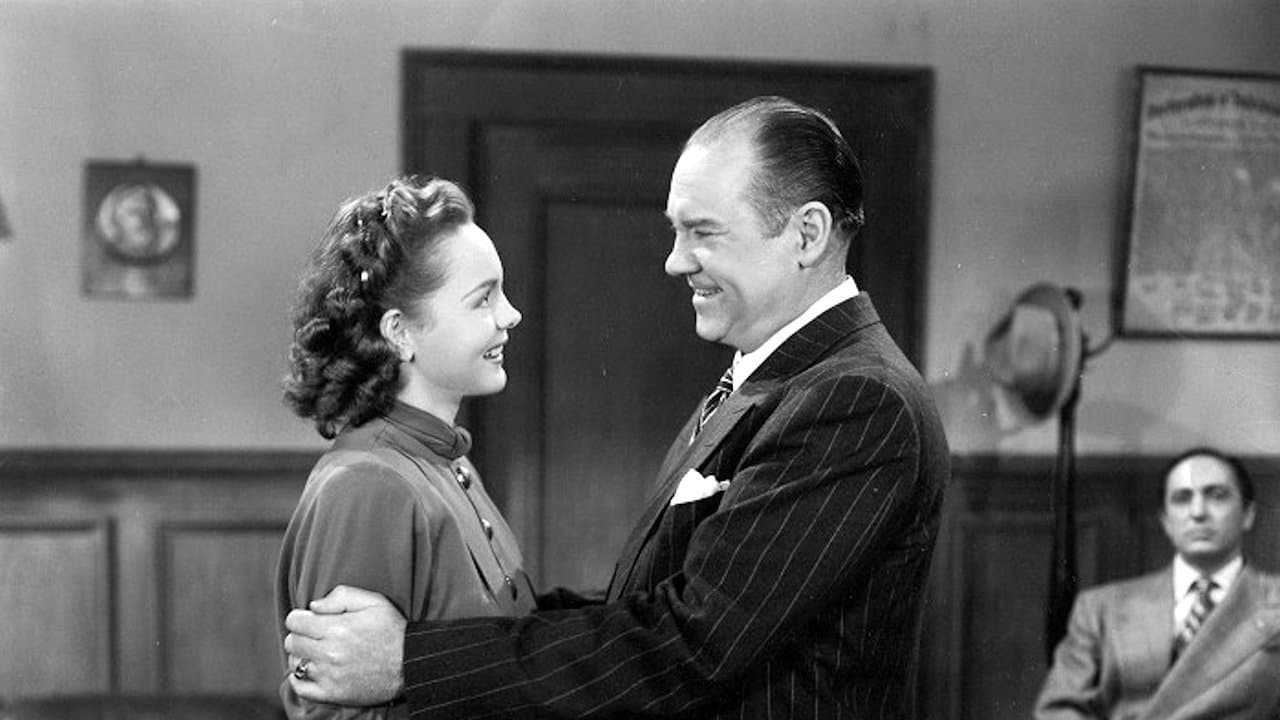
The 1947 crime drama Violence plunges viewers into a post-war America grappling with hidden threats and moral ambiguities, setting the stage for a classic film noir narrative. The story centers on Ann Mason, a sharp and resourceful magazine writer who bravely embarks on a perilous undercover assignment. Her target: the United Defenders, an organization that outwardly projects an image of public service but secretly operates as a nefarious front for racketeers. Mason's mission is to expose their illicit activities, bringing their corruption to light. However, the stakes are dramatically raised when she suffers a sudden bout of amnesia, a cruel twist that threatens to not only blow her carefully constructed cover but also endanger her life. This central predicament—a protagonist losing her memory while deep in enemy territory—creates a palpable sense of tension and vulnerability, propelling the plot forward with a constant undercurrent of suspense. What an awful situation to be in.
Behind the Scenes: The Making of 1947's Violence
Released in 1947, Violence clocks in at a brisk 72 minutes, a runtime characteristic of many B-movies from the era that aimed for efficient storytelling. The film was a joint production of Bernhard-Brandt Productions and Monogram Pictures, a studio renowned for its prolific output of genre films, particularly crime dramas, Westerns, and horror flicks, often on modest budgets. Monogram Pictures, while not known for lavish productions or A-list stars, carved out a significant niche by consistently delivering entertaining, if sometimes rough-around-the-edges, features to eager audiences. This particular film, falling squarely into the Crime and Drama genres, exemplifies Monogram's approach: a compelling premise, a focus on plot-driven narratives, and a reliance on character actors who could deliver solid performances without demanding Hollywood-sized salaries. The IMDb rating of 5.5/10 reflects its status as a genre piece rather than a critical darling, but it's important to remember that many films from this period, initially overlooked, have gained cult followings over time. There's no public record of significant box office figures or major awards for Violence, which isn't surprising given its production context. It was designed to be a reliable programmer, fitting neatly into double features at local theaters, offering audiences a thrilling diversion.
The Enduring Appeal and Themes of Violence
What makes Violence resonate even today, despite its age and a relatively modest IMDb rating of 5.5/10? Honestly, it's the sheer audacity of its central premise coupled with the inherent anxieties of the post-war period. The film masterfully taps into the pervasive fear that seemingly legitimate organizations could harbor sinister intentions, a theme that feels unsettlingly relevant regardless of the decade. The portrayal of "violence" here isn't just physical—though there are certainly implied threats and dangers—it extends to the psychological manipulation and exploitation perpetrated by the racketeers. This aligns somewhat with the broader understanding of violence, as even the World Health Organization recognizes the need to include threats and psychological harm in its definition, not just injury or death. The amnesia plot device, while a staple of film noir, is deployed with particular effectiveness here, amplifying Ann Mason's vulnerability and ratcheting up the suspense. Imagine being deep undercover, having built a fragile identity, only for your own mind to betray you. That's a powerful narrative engine. I keep coming back to a scene—hypothetically, given the plot—where Ann, disoriented, nearly reveals a crucial piece of information to a suspicious racketeer, only to be saved by a quick-witted ally or a momentary flicker of recognition. Pure suspense. The film's tagline, "YOU READ ABOUT THESE CASES EVERY DAY!", wasn't just marketing hyperbole; it was a direct appeal to the audience's contemporary concerns about organized crime infiltrating everyday life. As The Hollywood Reporter might have noted in a contemporary review, "Monogram's latest offers a taut, if somewhat predictable, look at the dangers lurking beneath a veneer of respectability, proving that a good premise can carry a picture." This film doesn't aim for high art, but it delivers on its promise of gritty, suspenseful drama, showcasing a world where trust is a luxury few can afford.
Streaming Violence: Where to Find the 1947 Thriller
For those eager to dive into the shadowy world of 1947's Violence, this classic crime drama is readily available across major OTT services. While the specific platforms can vary by region and licensing agreements, you'll generally find it on prominent streaming platforms that feature a robust catalog of classic films and independent cinema. Many of these services make an effort to preserve and present these older gems to a new generation of viewers, allowing films like Violence to find fresh audiences. To pinpoint exactly where Violence is currently streaming in your location, we recommend checking the "Where to Watch" widget displayed prominently at the top of this page. That widget, powered by Movie OTT, provides real-time availability information, ensuring you don't waste time searching. Movie OTT tracks current streaming availability across a wide array of services, from subscription-based platforms to rental and purchase options, making it your go-to resource for discovering where to stream your next favorite classic.
Frequently asked questions
Q: What is the plot of the 1947 film Violence? A: The film Violence follows magazine writer Ann Mason as she infiltrates the United Defenders, a public service organization secretly operating as a front for racketeers. Her mission is complicated and jeopardized when she suffers from amnesia, threatening to expose her undercover identity.
Q: Who produced the film Violence? A: The 1947 film Violence was produced by Bernhard-Brandt Productions in collaboration with Monogram Pictures, a studio known for its prolific output of B-movies and genre films during that era.
Q: How long is the movie Violence? A: Violence has a runtime of 72 minutes, a concise length typical of many B-picture crime dramas released in the late 1940s, designed for efficient storytelling.
Q: What genres does Violence belong to? A: The film Violence is categorized primarily within the Crime and Drama genres, characteristic of the film noir style that was popular during the post-war period.
Q: Is Violence a good movie? A: While Violence holds an IMDb rating of 5.5/10, suggesting it's not a universally acclaimed masterpiece, it's considered a solid entry for fans of classic B-movie noir and crime dramas. Its tight pacing and intriguing premise make it a worthwhile watch for genre enthusiasts.
Our Final Take on Violence
For cinephiles and casual viewers alike, Violence offers a fascinating glimpse into the gritty world of 1940s crime cinema. It's a film that, despite its modest production values and B-movie origins, delivers a compelling narrative driven by suspense and a truly perilous situation for its protagonist. If you're drawn to stories of undercover agents, amnesia plot twists, and the dark underbelly of society, this 72-minute thriller is definitely worth your time. It's a quick, punchy watch that doesn't overstay its welcome, leaving you with a sense of the era's anxieties. Movie OTT considers it a hidden gem for fans of classic drama looking for something off the beaten path. Go ahead. Give it a shot.