







The story of Visioneers
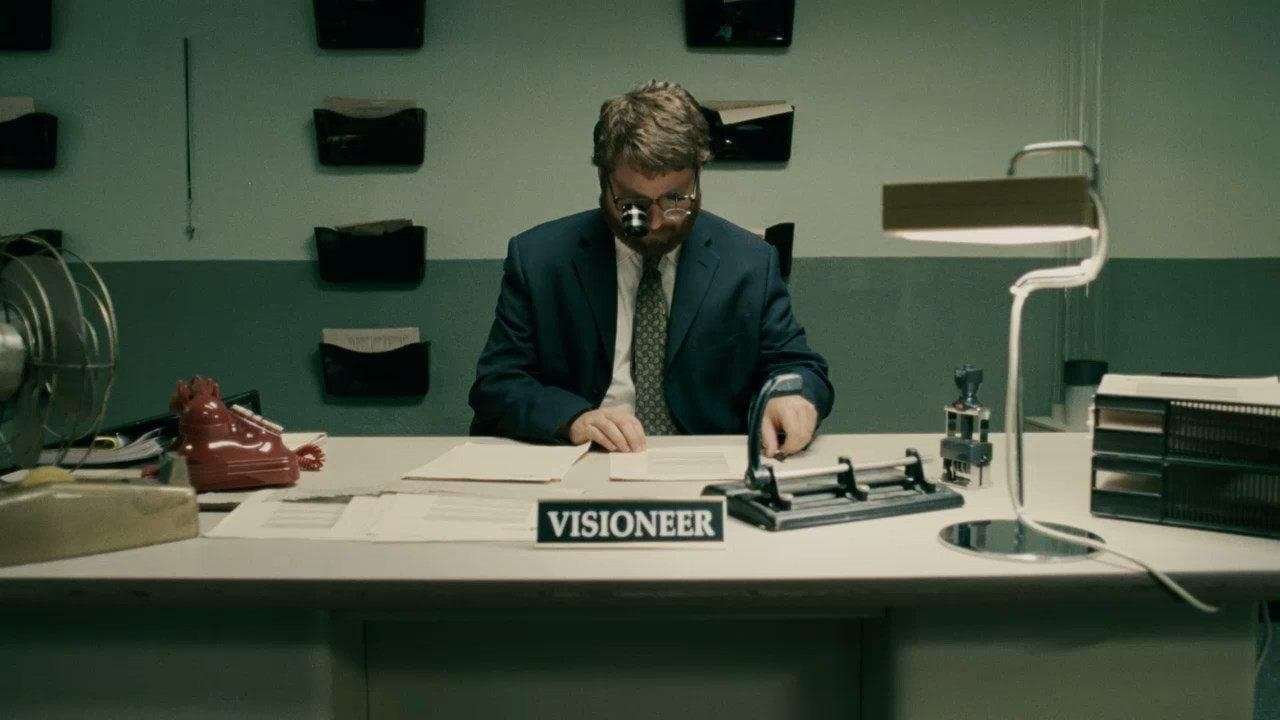
Visioneers takes place in a slightly futuristic world where the pursuit of happiness through mindless productivity has become the cultural norm. George Washington Winsterhammerman—yes, that's really his name—is a "visioneer," a corporate drone living what appears to be a perfectly functional life: a steady job, a house, a marriage that's... well, present. But something's wrong. People are beginning to explode. Not metaphorically. Literally. One moment they're sitting at their desk or walking down the street, and the next—they detonate from internal pressure, stress, and the sheer weight of their own unfulfilled existence. When George starts experiencing the early warning signs of implosion himself, he's forced to confront the uncomfortable question his society has trained everyone to ignore: what if happiness isn't found in climbing the ladder, checking boxes, and pretending everything's fine?
Behind the making of Visioneers
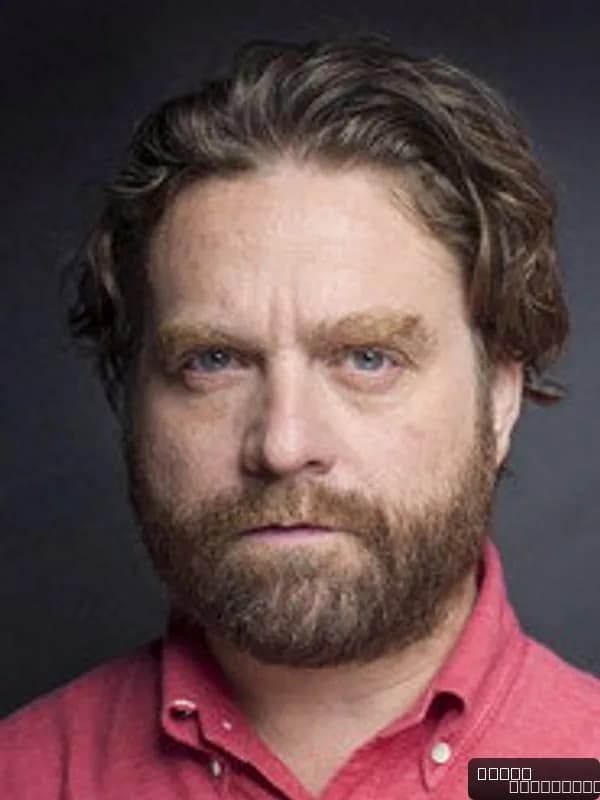
Director Jared Drake and writer Brandon Drake crafted Visioneers as a pitch-black satire on American corporate culture and the relentless pursuit of self-improvement through emptiness. Shot in Seattle and Snoqualmie, Washington in 2007, the film premiered on June 12, 2008, arriving during a moment when economic anxiety was reaching a fever pitch—though the film's critique feels timeless. The production came from Fireside Film, an independent outfit that wasn't afraid to let the comedy get genuinely uncomfortable. Zach Galifianakis anchors the cast as George, bringing his trademark deadpan delivery to a role that requires him to embody quiet desperation masquerading as contentment. Judy Greer rounds out the lead roles, adding texture to a world populated by people who've internalized the logic of their own oppression so thoroughly they can barely recognize it anymore. The film didn't rack up major awards or box office numbers—it's the kind of cult object that finds its audience quietly, over time—but its 5.7 IMDb rating masks something more interesting than a simple "divisive" label. Some viewers find it brilliant; others find it too bleak, too committed to its own premise. Neither reaction is wrong.
What makes Visioneers stand out
What's striking about Visioneers is how it refuses the easy laugh. This isn't a comedy that winks at the audience and says, "Isn't corporate life ridiculous?" Instead, it commits fully to the dystopia—the exploding people are treated with the same casual acceptance as a traffic jam. The film's dark humor emerges not from jokes but from the collision between the horrifying premise and the characters' refusal to acknowledge it. George's wife barely reacts when people around them burst into flames. His coworkers discuss the explosions with the same tone they'd use to complain about the coffee machine. That's where the real comedy lives—in the gap between what's actually happening and how normalized it's become. Galifianakis's performance is crucial here. He doesn't play George as an obvious victim or a clear-eyed rebel. Instead, George is trapped in the middle, capable of seeing the absurdity but terrified of what acknowledging it might cost him. The film explores how conformity isn't imposed from above so much as it's internalized, embraced, defended. It's a bleak portrait of how we participate in our own diminishment—and that's not exactly crowd-pleasing material. But for viewers who can sit with that discomfort, Movie OTT offers a guide to where you can actually stream it, because seeking out something this deliberately uncomfortable requires knowing where to find it.
How to watch Visioneers online
Visioneers is available on major OTT services, and the "Where to Watch" widget at the top of this page will show you exactly which platforms currently have it in your region. Streaming availability shifts regularly—what's on one service today might move to another next month—so Movie OTT tracks these changes so you don't have to hunt manually. The 94-minute runtime makes it a manageable watch even on a weeknight, though the film's thematic weight means you'll probably want to give it your full attention rather than half-watching while scrolling. It's the kind of movie that rewards focus, even if that focus is occasionally uncomfortable.
Frequently asked questions
Q: Who directed Visioneers?
Jared Drake directed the film, with Brandon Drake handling the screenplay. It was shot in Washington state and premiered in June 2008.
Q: Is Visioneers based on a true story?
No, it's an original satirical screenplay. The exploding-from-stress premise is fictional, though the film uses it as a metaphor for real workplace burnout and existential dread.
Q: What's the main theme of Visioneers?
The film examines how conformity, corporate culture, and the relentless pursuit of happiness through productivity can hollow out human existence. It's a dystopian satire about what happens when people stop questioning the systems they live in.
Q: Is Visioneers appropriate for all audiences?
It's a dark comedy with mature themes and graphic moments (the explosions aren't subtle). It's definitely not family viewing—expect disturbing imagery alongside the satire.
Q: Where can I watch Visioneers?
Check the "Where to Watch" widget at the top of this page for current availability on major streaming services. Availability varies by region and changes frequently, so Movie OTT keeps the list updated.
Final thoughts on Visioneers
Visioneers isn't a film for everyone—and honestly, that's kind of the point. It's deliberately bleak, committed to its premise even when (especially when) that commitment makes viewers squirm. But if you're drawn to science fiction that uses dystopia not for spectacle but for social critique, if you appreciate comedy that emerges from discomfort rather than punchlines, it's worth seeking out. Galifianakis delivers a career-best performance in a role that could've been a caricature but instead becomes genuinely tragic. The film asks hard questions about how we live and what we're willing to accept in the name of stability. That's not entertainment in the conventional sense. It's provocation. And sometimes, that's exactly what cinema needs to be.