

The story of Wagon Wheels
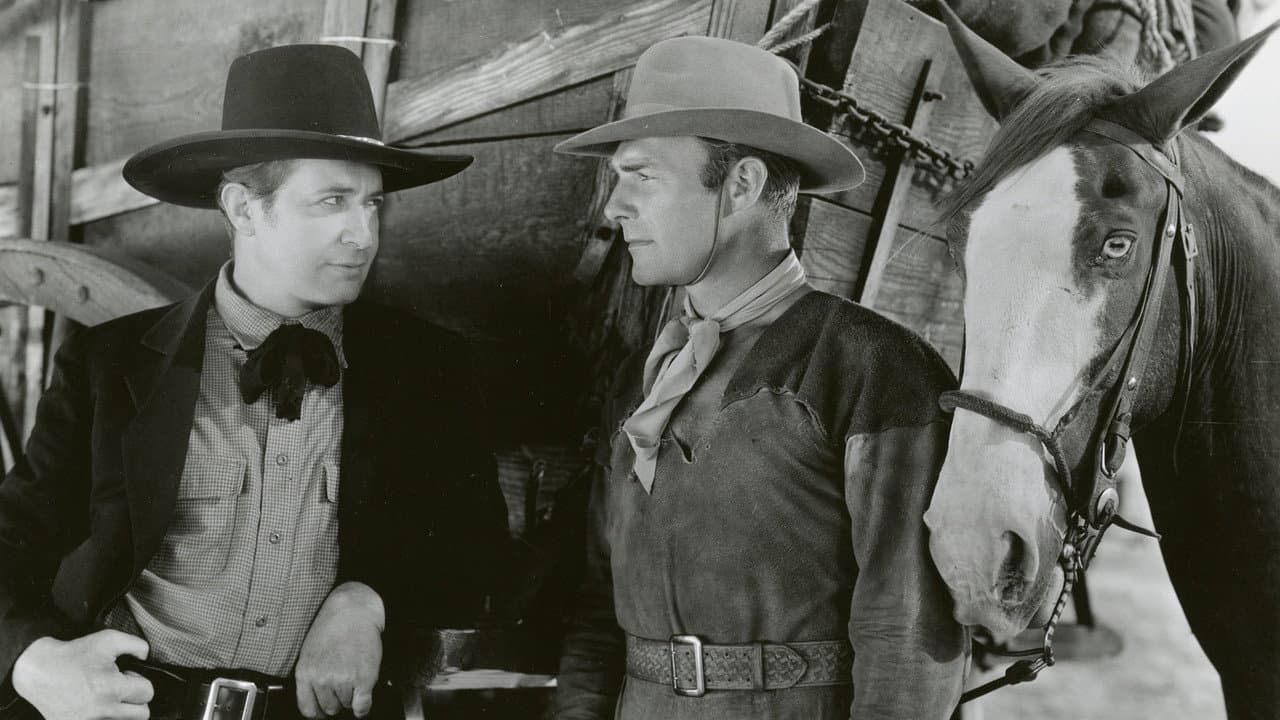
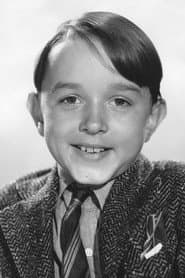
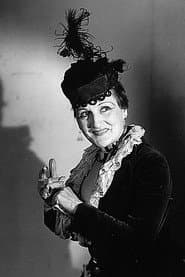
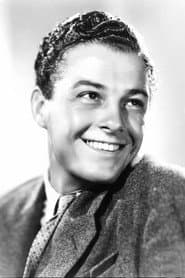
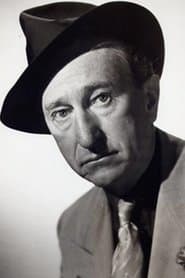
Wagon Wheels tells the tale of a wagon train pushing westward from Independence, Missouri, along the perilous Oregon Trail. At its heart is Clint Belmet, a proud cowboy played by Randolph Scott, who leads the expedition through hostile territory and unforgiving weather. The caravan carries Nancy Wellington, a feisty young widow traveling with her toddler Sonny, alongside Abby Masters, an older woman who finds unexpected romance with scout Jim Burch as the journey unfolds. But the real danger comes from Kenneth Murdock, a trapper who views the incoming settlers as a threat to his profitable fur-trading monopoly in Oregon—and he's willing to incite the local Apache to drive them back. It's a story about survival, ambition, and the complicated costs of westward expansion, wrapped in the adventure-serial format that audiences craved in the early 1930s.
Behind the making of Wagon Wheels
Wagon Wheels emerged as a Paramount Pictures production in 1934, directed by Charles Barton and based on Zane Grey's 1929 novel Fighting Caravans. Here's what makes this film particularly interesting from a production standpoint: it's actually a remake of the 1931 film of the same name, but rather than reshoot everything from scratch, the studio economically repurposed stock footage from the original while assembling an entirely new cast. Randolph Scott—who'd already built a solid reputation in Paramount westerns—anchored the picture alongside Gail Patrick, with character actors Monte Blue and Raymond Hatton rounding out the ensemble. At 56 minutes, it's a lean, efficient piece of entertainment, typical of the era when features could deliver a complete narrative arc in under an hour. The film's credits even note "vocal interpolations," hinting at something unusual for a western: musical numbers woven into the action. Box office figures for 1934 B-pictures are spotty in the historical record, but Wagon Wheels found enough audience traction to remain in circulation through various re-releases and eventually television broadcasts, where it survived to reach modern streaming platforms.
What makes Wagon Wheels stand out
What's striking about Wagon Wheels—and this is something you notice if you watch it with period-appropriate expectations—is how it balances earnest frontier drama with an almost vaudeville-like energy. Randolph Scott brings a likable, slightly sheepish quality to Clint Belmet, the kind of leading man who's heroic without being insufferable. The supporting cast, particularly the chemistry between the romantic subplots, keeps the narrative from feeling like pure action-adventure spectacle. The blizzard sequences and Apache conflict scenes have a raw, practical quality—these aren't elaborate set pieces, but they convey genuine peril. What nobody really talks about is how the musical elements actually work. Those "vocal interpolations" could've been jarring, but they're integrated as natural breaks in the action rather than Broadway-style production numbers. I keep coming back to the fact that Scott seems genuinely engaged with the material, even though he's working with a tight budget and recycled footage. The movie doesn't pretend to be something it isn't—it's a working-class western for working-class audiences—and there's an honesty in that restraint. On IMDb, the film carries a 5.1/10 rating, which reflects modern viewers' impatience with pacing conventions of the era, but that score doesn't capture the film's entertainment value for those willing to meet it on its own terms.
Where to stream Wagon Wheels online
Wagon Wheels is currently available on major OTT services, and Movie OTT tracks its streaming availability across platforms in real time. Rather than hunting through multiple subscription services yourself, you can check the "Where to Watch" widget at the top of this page to see exactly which platform has it right now—availability shifts seasonally, so what's on one service today might move to another next month. Movie OTT's streaming aggregator takes the guesswork out of finding classic films like this one, saving you the frustration of searching five different apps only to discover it's not there.
Frequently asked questions
Q: Is Wagon Wheels based on a true story?
Wagon Wheels is based on Zane Grey's 1929 novel Fighting Caravans, which draws on the real history of westward expansion along the Oregon Trail, though the specific characters and plot are fictional. The film captures the era's genuine conflicts between settlers and Native Americans, though it reflects the period's problematic perspective on those conflicts.
Q: Who directed Wagon Wheels?
Charles Barton directed this 1934 Paramount remake. Barton was a prolific director of the era who'd go on to helm numerous B-pictures and later become known for Abbott and Costello comedies in the 1940s and 1950s.
Q: Why is Wagon Wheels a remake?
Paramount produced an earlier version called Fighting Caravans in 1931 that was successful enough to warrant a remake. To save costs, the 1934 version reused stock footage from the original while casting new actors—a common studio practice during the Depression era.
Q: How long is Wagon Wheels?
The film runs 56 minutes, which was typical for feature-length westerns of the early 1930s before the industry standardized on longer runtimes.
Q: What genres does Wagon Wheels blend?
The film combines action, adventure, western, romance, drama, and music—an ambitious mix that reflects how studios tried to appeal to broad audiences with one picture.
Final thoughts on Wagon Wheels
Wagon Wheels won't blow your mind with cutting-edge filmmaking or psychological depth—it's a product of its time, made quickly and efficiently for audiences who wanted straightforward adventure. But that's precisely what makes it worth revisiting. Randolph Scott's earnest performance, the practical stunt work, the integration of music, and the sheer narrative economy of 56 minutes tell you something genuine about how entertainment worked in 1934. If you're exploring classic westerns or tracking Zane Grey adaptations, this one deserves a spot on your watchlist. It's unpretentious fun, and sometimes that's exactly what you need.