
The story of Walk Softly, Stranger and its unlikely romance
Walk Softly, Stranger arrives in the small Ohio town of Ashton with a simple plan: manipulate, steal, and disappear. That's the premise Robert Stevenson's 1950 film lays out in its opening reels, and it's a premise that could've gone a dozen different directions—most of them predictable. Instead, the film takes a hard left turn when Chris Hale (Joseph Cotten) meets a woman who upends everything he came to do. She's disabled, she's genuine, and she sees through his con in ways that matter. What unfolds isn't a heist gone wrong or a noir descent into darkness. It's something messier and more human: a story about whether someone fundamentally broken can be put back together by another person's belief in them. The film's 81-minute runtime doesn't waste time—it trusts the audience to understand that redemption isn't easy, and it's definitely not guaranteed.
Behind the making of Walk Softly, Stranger and its cast
Robert Stevenson directed Walk Softly, Stranger at a moment when he was establishing himself as a craftsman capable of handling both intimate character work and broader narrative sweep. Stevenson would go on to direct Mary Poppins and Cinderella for Disney, but in 1950 he was still working in the studio system's middle tier—which meant he had enough freedom to make something genuinely felt without the weight of a blockbuster's expectations. Frank Fenton wrote the screenplay, and cinematographer Harry J. Wild brought a visual sophistication to the film that elevates it beyond typical crime-drama territory. The score by Frederick Hollander adds a melancholic undertone throughout.
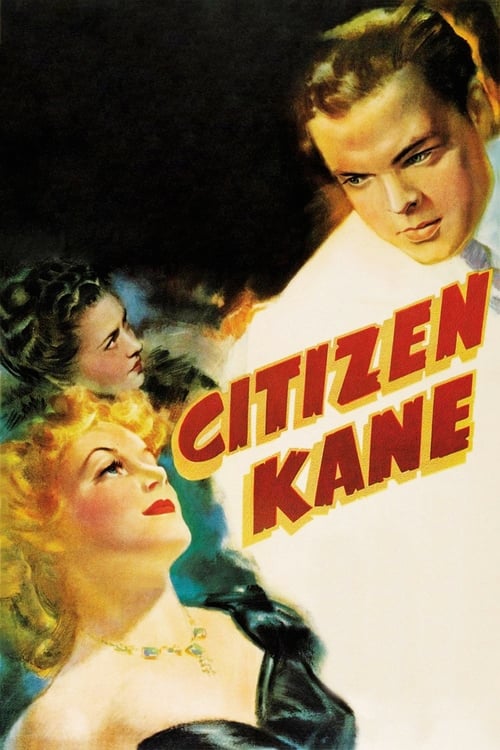
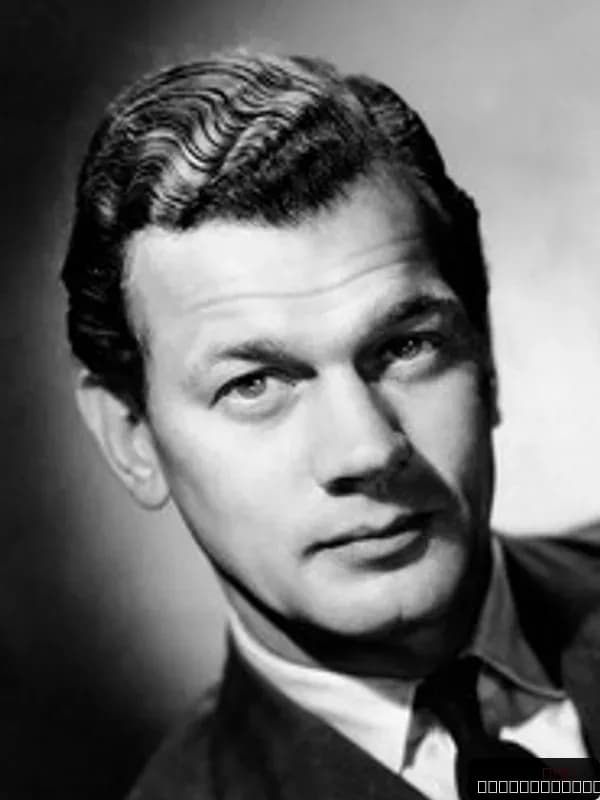
The casting is where Walk Softly, Stranger gets its emotional core. Joseph Cotten—best known for his work with Orson Welles in Citizen Kane and The Third Man—plays Chris Hale with a weariness that suggests a man who's been running so long he's forgotten what he's running from. Alida Valli, the Italian actress who'd soon become a fixture of European cinema, brings a quiet dignity to her role that could've easily tipped into sentimentality in less careful hands. The supporting cast includes Spring Byington, Paul Stewart, and a young Jack Paar (later famous as a talk-show host) in a dramatic role. What's striking is how the ensemble doesn't oversell the material—everyone seems aware they're in a film about small moments and internal shifts, not grand gestures.
What makes Walk Softly, Stranger stand out as a redemption story
Most noir films of the era treated redemption as a death wish or a cop-out. Walk Softly, Stranger refuses both options. Instead, it proposes something harder to dramatize: that love can genuinely change someone, not because it's magical but because it creates accountability. When Chris Hale is around this woman, he can't hide behind his usual tricks. She won't let him. That's the film's real tension—not whether he'll pull off the robbery, but whether he'll choose to stay honest when staying honest means staying vulnerable.
The performances anchor this thematic weight. Cotten doesn't play Hale as a traditional anti-hero; there's no swagger, no cool. He's a guy who's tired and scared and trying not to show it. Valli's character could've been written as a saint, a martyr who saves the fallen man through her purity. Instead, she's pragmatic, even a bit tough. She knows what she wants and she's not going to apologize for it. I keep coming back to a scene early on where she calls out his lies before he's even finished telling them—not with anger, just with the kind of clarity that comes from having seen through people your whole life. That scene does more work than a dozen monologues about the possibility of change.
The film doesn't pretend that love solves everything. It's more honest than that. What it suggests is that love creates the possibility of solving something—that it gives you a reason to try. For 1950, that's surprisingly modern thinking, and it's what keeps Walk Softly, Stranger from feeling like a relic. On Movie OTT, where we track films across streaming platforms, you'll find plenty of crime dramas and plenty of romances, but you won't find many that trust their audience to sit with this kind of quiet moral complexity.
Where to stream Walk Softly, Stranger online
Walk Softly, Stranger is currently available on Max, where it sits alongside other classic dramas from Hollywood's golden age. If you're a subscriber looking for something that doesn't require heavy emotional labor but also won't insult your intelligence, this is the kind of film that rewards a quiet evening. The Where to Watch widget at the top of this page will show you the most current availability—streaming rights shift, and Movie OTT keeps that information updated so you don't waste time hunting. At 81 minutes, it's a film you can actually finish in a single sitting without committing your entire night, which is rarer than it should be.
Frequently asked questions
Q: Who directed Walk Softly, Stranger?
Robert Stevenson directed the film. He was a versatile studio director working across multiple genres in 1950, and would later become known for his Disney films like Mary Poppins and Cinderella.
Q: Is Walk Softly, Stranger based on a true story?
No, it's an original screenplay written by Frank Fenton. The story was created specifically for the film and isn't adapted from a novel, play, or real events.
Q: What's the runtime of Walk Softly, Stranger?
The film runs 81 minutes, making it a lean, efficient narrative that doesn't overstay its welcome or rush through its emotional beats.
Q: Where can I watch Walk Softly, Stranger right now?
Walk Softly, Stranger is currently streaming on Max. Check the Where to Watch widget on this page for the most up-to-date platform availability, as streaming rights can change.
Q: How is Walk Softly, Stranger rated on IMDb?
The film holds a 6.1/10 rating on IMDb. While it's not universally beloved, it's developed a quiet following among viewers who appreciate character-driven drama and films willing to treat redemption as a serious, complicated subject rather than a plot device.
Final thoughts on Walk Softly, Stranger
Walk Softly, Stranger isn't a masterpiece. It's not going to change your life. But it's exactly what it promises: a solid, well-crafted story about two people trying to figure out if they can build something real together, even when everything in their backgrounds suggests they shouldn't. Cotten and Valli make you believe in that possibility. Stevenson's direction stays out of the way, letting the actors and the writing do the heavy lifting. If you're the kind of viewer who values character over plot, quiet moments over spectacle, and genuine emotional stakes over manufactured drama—this one's worth your time. Stream it on Max, settle in, and don't expect explosions. What you'll get instead is something rarer: a film that trusts you to care about people, and that's honestly the best kind of entertainment there is.