Was haben wir gelacht: The German Comedy Documentary That Names What Everyone Watched But Nobody Admits
Was haben wir gelacht — "How We Laughed" — is a 2026 documentary that asks a question German TV audiences have been avoiding for 30 years: who got to be funny, and who was the joke?
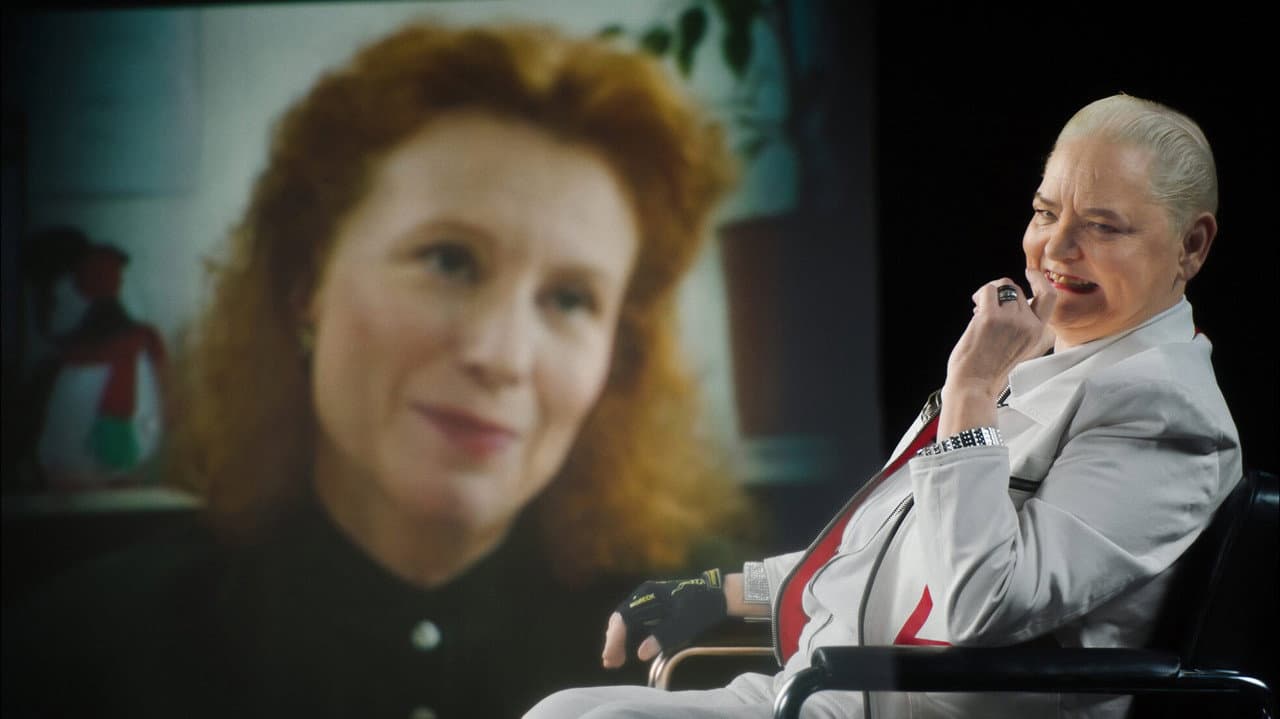
The film brings together five women who actually lived through the answer. Maren Kroymann, Hella von Sinnen, Bettina Böttinger, Esther Schweins, and Gaby Köster sit down to talk about the 1990s and early 2000s, when German prime-time comedy treated women as the punchline instead of the comedian. It's 96 minutes. It doesn't flinch.
Why This Documentary Matters Right Now
Here's what's striking: this isn't a warm nostalgia piece. The women in Was haben wir gelacht aren't reminiscing fondly about the good old days of variety shows and sketch comedy. They're methodically describing how the system worked against them — and they're doing it on camera, in a major ZDF co-production, which means German public TV is essentially saying: yes, we need to reckon with this.
The archive footage tells one story. A clip from some forgotten Saturday-night show, women in dumb-wife sketches, audiences howling. Then one of the subjects — let's say Hella von Sinnen — describes exactly what it felt like to be in that room, watching that happen to someone like her. The gap between the two is where the documentary earns its weight. Not preachy. Just honest.
I keep thinking about a moment where a producer's voice comes through — "audiences just don't find women as funny" — and you hear it said plainly, no apology attached. It's not new information. But hearing it from someone who was actually there, who had to work twice as hard because of it, lands differently than reading it in think-pieces.
Who These Five Women Are (and What They Bring)
Maren Kroymann had her own sketch show — Kroymann, which aired on NDR and Arte. She's probably the closest thing German television produced to a female equivalent of the male variety-show hosts who dominated the era. She knows the format from the inside.
Hella von Sinnen is the name most people recognize, especially outside Germany. She built a career as a sharp satirist across decades of television. She's the one with the longest view of how little actually changed.
Bettina Böttinger spent years as a talk-show host on WDR, which means she navigated a format that was already tilted — male guests, male definitions of what counted as interesting conversation. A different kind of pressure.
Esther Schweins broke through via RTL Samstag Nacht, Germany's version of Saturday Night Live, where she was one of the few women in a male-dominated cast. She knows what it's like to be outnumbered in the room where the jokes get written.
Gaby Köster achieved mainstream success through the sitcom Ritas Welt, but on terms that weren't always hers. She brings a perspective on what happens when you're popular but not empowered.
Five different careers. Five different angles on the same problem.
The Craft of the Documentary Itself
The structure — archival footage woven with present-day interviews — sounds like a formula you've seen before. But the execution matters. The research alone must have been substantial. German TV from the 1990s isn't as thoroughly catalogued as British or American broadcast archives. Finding representative clips that illustrate the argument without becoming repetitive is genuinely difficult work. Pacing 96 minutes of talking-head documentary so it doesn't drag is harder than it looks (and this doesn't drag).
What's remarkable is how the film doesn't settle for anger. These women are reflective, precise about the mechanics of how comedy was used against them — the sketch formats that defaulted to "nagging wife," the casting choices that kept women in supporting roles even when they were the funniest person on set. The film trusts the audience to draw the conclusion without being told it.
Where to Watch Was haben wir gelacht
Was haben wir gelacht is a ZDF co-production with BASIS BERLIN Filmproduktion, which means ZDFmediathek is the primary home for German-language viewers. For regional availability outside Germany — or if you're looking for the fastest current breakdown of where it's streaming — check Movie OTT, which tracks real-time licensing across major platforms. Streaming rights vary by territory, so what's available in Berlin might differ from what you can access in Austria or Switzerland.
The documentary is 96 minutes long and carries a 2026 release date. As of now, it's too recent to have accumulated a meaningful IMDb rating, which is normal for documentaries before they hit festival circuits and wider distribution.
Should You Watch It?
Yes — if you grew up watching German TV in the 1990s, this will feel like a reckoning. If you didn't, it functions as a precise case study in how industries shape culture and who gets left out of the conversation. The five women at its center are funny, self-aware, and disinclined toward self-pity. It's not heavy viewing. It's just necessary viewing.
If you liked documentaries about media history and representation — think Spielberg or The Image You Missed (the Channel 4 series about overlooked British TV) — you'll find the same blend of archival intelligence and personal reflection here.
Specific next step: If you're in Germany, head to ZDFmediathek. If you're elsewhere, use Movie OTT's where-to-watch widget to see what's available in your region before committing to a subscription or rental. The film's only 96 minutes. It's worth the five minutes it takes to find it.