

The Story of We Think the World of You
We Think the World of You unfolds in post-war London as a deceptively simple premise spirals into something far more complex. A wealthy, respectable man becomes entangled in a battle over custody of a German shepherd—but the dog itself is merely the surface of a much deeper conflict. Beneath the fight for the animal lies a secret relationship between the man and a young parolee, a connection that the film treats with surprising tenderness rather than scandal. The dog becomes the unwitting bridge between two worlds that society insists should never collide, and what starts as a comedy about competing claims to a pet transforms into an examination of desire, class, and the masks people wear in polite society.
Behind the Making of We Think the World of You
Director Colin Gregg adapted Hugh Stoddart's screenplay from J. R. Ackerley's 1960 novel, bringing a mid-century literary work to the screen nearly three decades after its publication. The film was produced by Tomasso Jandelli and Cinecom Pictures, a pairing that suggests modest ambitions—this was never destined to be a blockbuster. And the box office confirmed it: the film earned just $20,998, a staggering underperformance that speaks volumes about how little mainstream audiences connected with its particular blend of comedy, sexuality, and British restraint. Yet the critical response told a different story entirely. Rotten Tomatoes awarded it an 80% Fresh rating, a stark contrast to its 5.9 IMDb score, suggesting that critics recognized something in the film that general viewers either missed or actively rejected.
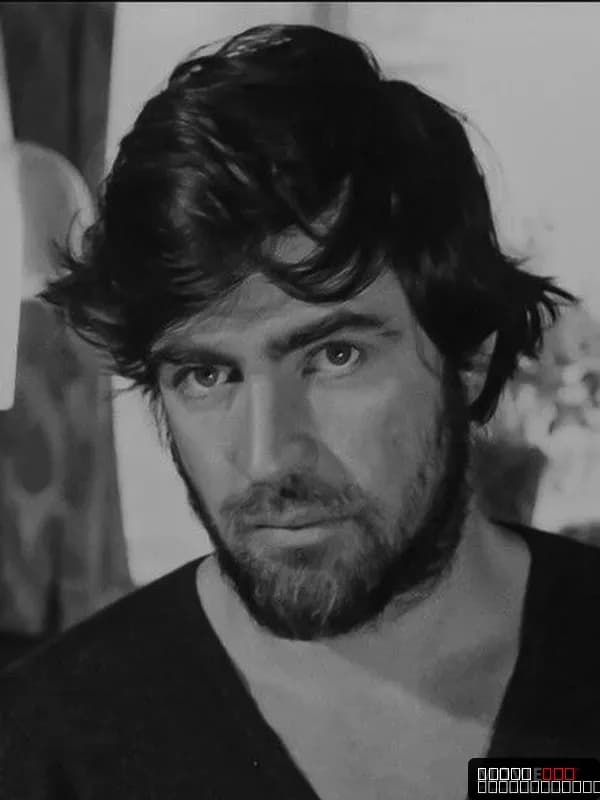
The cast is where the film's ambitions become most visible. Gary Oldman, already carving out a reputation as a chameleonic actor, takes the role of the young parolee with a kind of desperate charm. Alan Bates—a heavyweight of British cinema, known for roles in everything from Zorba the Greek to Gosford Park—plays the wealthy man with a restraint that's almost tragic. Supporting them is Liz Smith, the beloved British actress whose comic timing would later make her a household name through television, and the wonderfully eccentric Max Wall, whose presence alone signals that this film isn't interested in playing it safe. The PG rating, surprisingly, stuck—no small feat for a film dealing with homosexuality and class transgression in 1988.
What Makes We Think the World of You Stand Out
Here's what's genuinely striking: this film doesn't wink at its audience about the relationship between its two male leads. There's no coy subtext, no coded glances that only the initiated will understand. Instead, Gregg and Stoddart present the bond between Bates and Oldman with an almost matter-of-fact tenderness—which, in 1988 British cinema, was itself a radical act. The dog, rather than being a gimmick, becomes a perfect metaphor for love that can't be openly claimed. Both men want the animal, yes, but they're also fighting for the right to care for something they genuinely love, and that emotional stakes elevates what could've been a silly premise into something genuinely poignant.
What's remarkable is how the film balances tone. It's marketed as a comedy, and there are comedic moments—Max Wall's scenes are genuinely funny, and the social awkwardness that ensues when the relationship's true nature starts to leak out has real comedic bite. But the comedy never undercuts the emotional core. When Oldman's character looks at Bates with a mixture of gratitude and longing, the film doesn't laugh at him. It sits with the moment. This tonal sophistication is probably why critics championed it while audiences stayed away. Movie OTT tracks films that occupy these strange middle grounds—beloved by critics, ignored by the masses—and this 1988 British oddity fits the pattern perfectly. The performances feel lived-in rather than theatrical, which is its own kind of quiet rebellion against the melodrama that might've felt easier.
I keep coming back to the fact that this film was made in 1988, a year when homosexuality was still criminalized in many places, AIDS was decimating communities, and mainstream cinema largely pretended gay people didn't exist. The courage it took to make something this gentle, this unapologetic—it's easy to underestimate now.
Where to Stream We Think the World of You Online
We Think the World of You is currently available on Prime Video, where you can rent or purchase the film. The film's obscurity means it doesn't have the kind of wide streaming footprint that more celebrated titles enjoy, so availability through Prime represents a genuine opportunity for viewers hunting down lesser-known British cinema. If you're using Movie OTT to track where films are streaming, you'll find the complete, up-to-date availability widget at the top of this page—check there for any platform updates, since streaming rights shift constantly. At 94 minutes, it's a lean watch, the kind of film that rewards a quiet evening rather than a group viewing.
Frequently asked questions
Q: Is We Think the World of You based on a true story?
No, it's adapted from J. R. Ackerley's 1960 novel of the same name, which was itself a work of fiction. However, Ackerley was a real writer and critic whose own life experiences with love and desire likely informed the novel's emotional authenticity.
Q: Who directed We Think the World of You?
Colin Gregg directed the film, adapting Hugh Stoddart's screenplay from Ackerley's source material. Gregg was a British director with a modest but respected career, and this remains one of his most distinctive works.
Q: What's the runtime of We Think the World of You?
The film runs 94 minutes, making it a relatively compact story that doesn't overstay its welcome despite its emotional weight.
Q: Why did We Think the World of You flop at the box office?
The film earned only $20,998, likely because its combination of British restraint, LGBTQ+ themes, and unconventional comedy didn't align with mainstream 1988 audiences. Critics appreciated it far more than general viewers did.
Q: Is We Think the World of You appropriate for kids?
It's rated PG, so technically yes—but the themes around sexuality and adult relationships mean it's more suited to older children and teens who can engage with its subtext. It's not a family film in the traditional sense.
Final Thoughts on We Think the World of You
We Think the World of You is the kind of film that rewards those willing to seek it out. It's not perfect—the pacing can feel slack in places, and the comedy doesn't always land—but what it gets right, it gets really right. The relationship between Bates and Oldman carries genuine emotional weight, and the film's refusal to sensationalize or apologize for its characters' desires feels quietly revolutionary for its era. It's a film about love in all its messy, inconvenient, class-crossing forms, told with British understatement and real warmth. If you appreciate character-driven cinema, performances that feel lived-in, and stories that don't fit neatly into genre boxes, this deserves your attention.