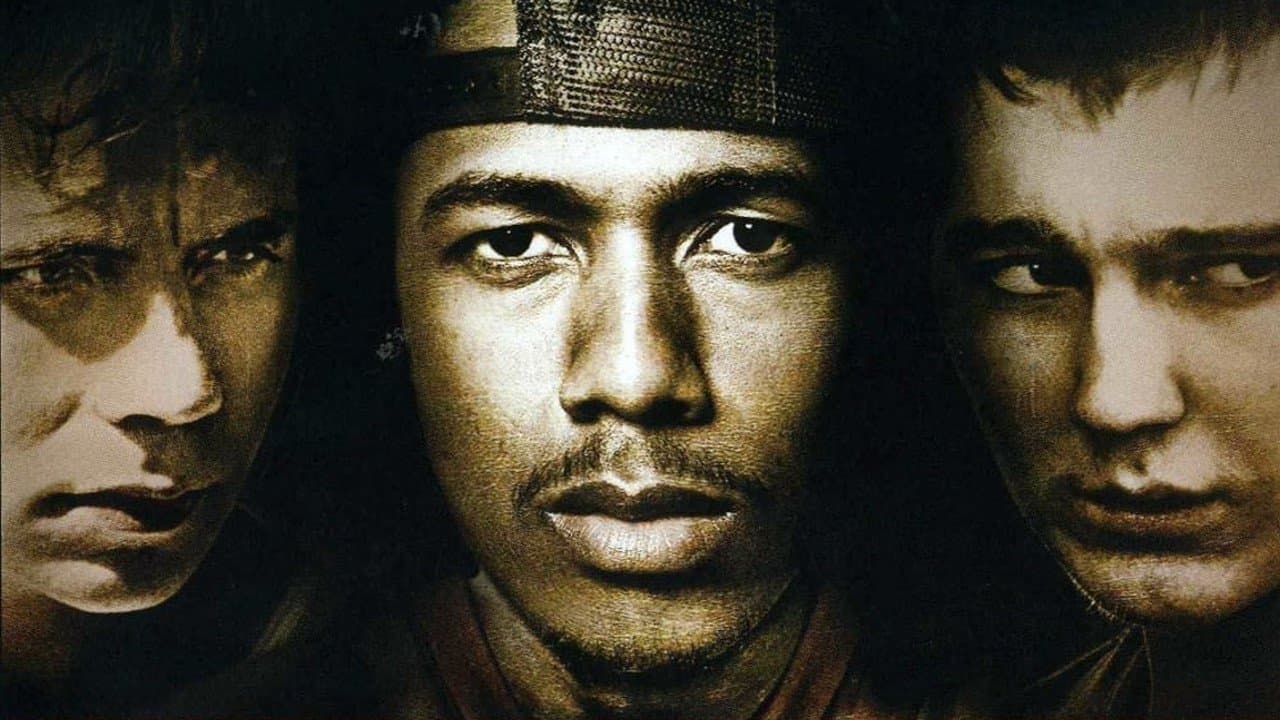








The Story of Weapons
Weapons opens on what looks like an ordinary weekend in a typical American small town—the kind of place where everybody knows everybody, where the biggest news is usually a high school football game or a fender-bender at the grocery store. But over the course of just 72 hours, a series of brutal killings shatters that illusion. What makes the film's premise genuinely unsettling isn't the violence itself, but the slow-burn realization that none of these deaths are random. Each killing is connected to the others in ways the town—and the viewer—won't fully understand until the pieces click into place. Weapons doesn't offer easy answers or neat resolution. Instead, it presents a fractured narrative where youth violence becomes a mirror reflecting back everything a community refuses to see about itself.
Behind the Making of Weapons
Weapons arrived in 2007 as a collaboration between Pantry Films and After Dark Films, a production company known for pushing boundaries in low-budget horror and crime cinema. The film's 82-minute runtime is lean and efficient—there's no fat here, no subplot padding—which was partly a necessity of its modest budget but also a creative choice that serves the story. After Dark Films had built a reputation for acquiring and distributing provocative independent films, and Weapons fit squarely into that mission: raw, uncompromising, and willing to make audiences uncomfortable. The cast wasn't drawn from A-list talent, but rather from working actors who understood the assignment: play it real, don't wink at the camera, and don't soften the edges. On Movie OTT, you'll find detailed tracking of where Weapons streams, but the film itself received limited theatrical distribution, which meant most viewers discovered it through word-of-mouth or streaming platforms years after release. The IMDb rating of 4.6/10 reflects a polarized audience—some viewers found it brutally honest; others felt it was exploitation dressed up as social commentary.
What Makes Weapons Stand Out
What's striking about Weapons is its refusal to moralize. The film doesn't position itself as an after-school special warning against violence; it doesn't trot out a detective who "understands the root causes" or a therapist who explains everything in the final act. Instead, it trusts viewers to sit with the discomfort and draw their own conclusions. The performances anchor this approach—the young actors playing the perpetrators and victims aren't caricatures of troubled youth. They're rendered as people with their own logic, their own justifications, their own fractured understanding of why they're doing what they're doing. There's a scene early on that establishes tone: a killing that's both shocking and mundane, handled with a kind of documentary flatness that makes it harder to look away, not easier. The thing nobody mentions is how the film's structure—moving between different perspectives and timelines—mirrors how information actually circulates through a small town: rumor, partial truth, misunderstanding, and eventual revelation all layered on top of each other. It's a formal choice that could've felt gimmicky in less careful hands, but here it serves the story's thematic core about how communities fail to see the violence brewing right next to them.
Where to Stream Weapons Online
Finding Weapons isn't always straightforward—it's not the kind of film that gets prominent placement on major OTT services' homepages. However, the film is currently available on major streaming platforms, and Movie OTT tracks its availability across multiple services so you don't have to hunt. The "Where to Watch" widget at the top of this page shows you exactly which platforms are carrying it right now, since streaming rights shift frequently. If you're planning to watch, check there first rather than searching blindly. The film's low profile actually works in its favor for streaming discovery—it's the kind of title you stumble across, not the kind you see marketed with a $20 million ad spend.
Frequently Asked Questions
Q: What's the plot of Weapons about?
Weapons follows a series of brutal killings involving young people that occur over a single weekend in a small American town. The film gradually reveals how these seemingly random acts of violence are interconnected, creating a portrait of a community that's failed to see the darkness festering beneath its surface.
Q: Who directed Weapons and what's their track record?
While Weapons was produced by Pantry Films and After Dark Films, the film represents the kind of provocative, low-budget independent cinema that After Dark became known for distributing. The company's focus was always on stories that mainstream studios wouldn't touch.
Q: Is Weapons based on a true story?
No, Weapons is a fictional narrative, though it draws on real-world anxieties about youth violence and community complicity. The film uses a composite approach rather than adapting any single incident.
Q: How long is Weapons?
The film runs 82 minutes, a tight runtime that keeps the narrative moving without unnecessary digression. There's no bloat here—every scene earns its place.
Q: What rating does Weapons have?
The film holds a 4.6/10 rating on IMDb, reflecting a divided audience. Some viewers praise its unflinching approach; others find it gratuitous. It's genuinely divisive in a way that's worth experiencing for yourself rather than taking someone else's word for it.
Final Thoughts on Weapons
Weapons isn't easy viewing, and it's not trying to be. It's a film that demands you sit with moral ambiguity, that refuses to let you off the hook with simple explanations or cathartic justice. It's the kind of movie that stays with you—not always pleasantly—and makes you question what you think you know about the people around you. If you're looking for entertainment in the traditional sense, look elsewhere. But if you want cinema that challenges and provokes, that treats its audience as intelligent enough to handle complexity and contradiction, Weapons deserves your time.