








The Silent Journey in What the Deaf Man Heard
What the Deaf Man Heard introduces us to a world shaped by a child's profound trauma and an extraordinary act of self-preservation. The year is 1945, and a young boy finds himself dropped off in a sleepy Georgia town, utterly alone. His journey there was marked by unspeakable tragedy: his mother abducted and murdered from the very bus he rode. Overwhelmed and vulnerable, the boy retreats into himself, adopting a quiet demeanor that leads the townsfolk to a mistaken conclusion—they believe he is deaf and mute. Realizing the unique power and protection this silence offers, he makes a conscious decision to maintain the ruse, becoming a silent observer. He listens, processing every whispered conversation, every unguarded confession, every secret shared by people who assume he hears nothing at all. It's a fascinating premise, honestly, for a drama built on the weight of unspoken truths and the deceptive calm of a small community.
Unpacking the Production and Cast of What the Deaf Man Heard
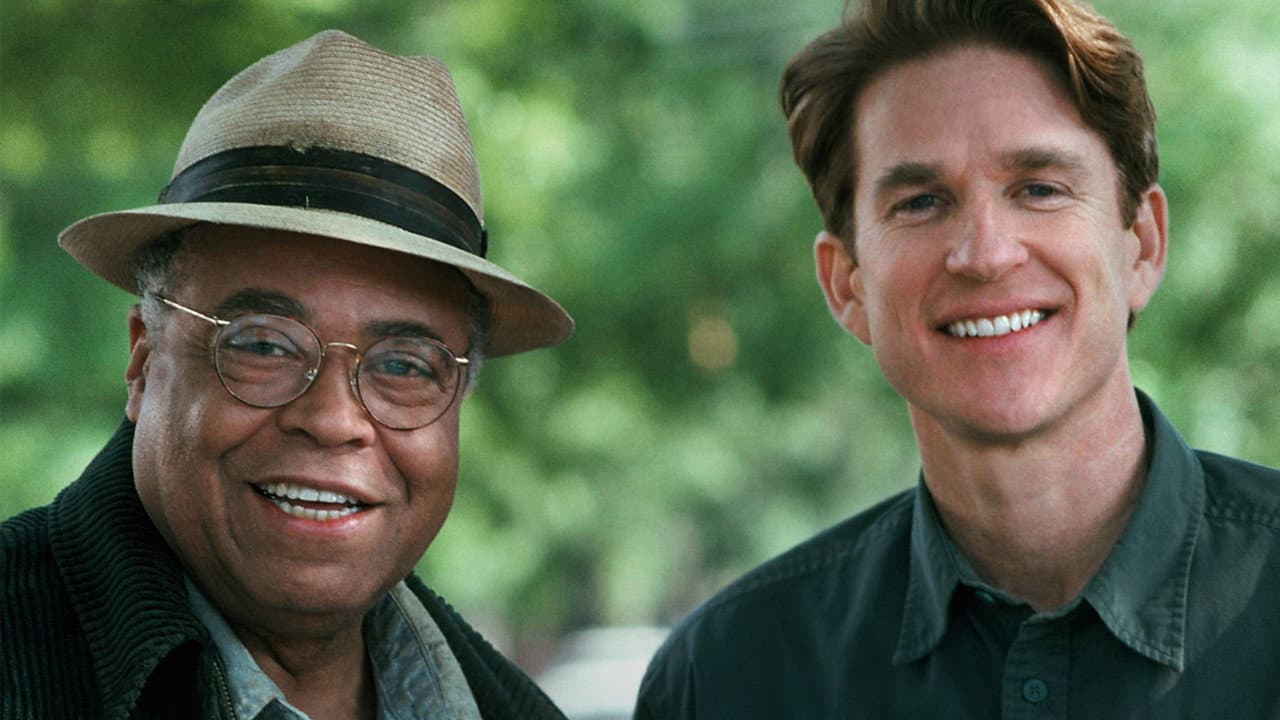
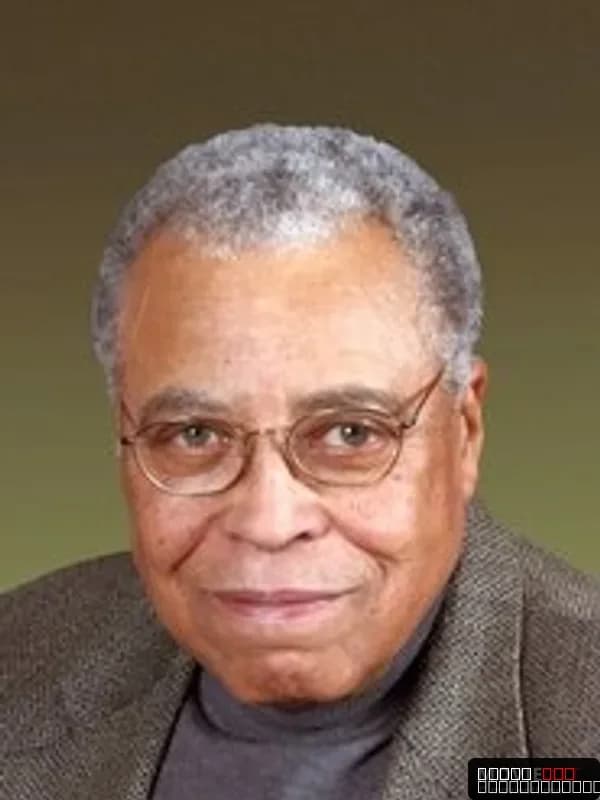
This compelling narrative, What the Deaf Man Heard, originally aired as a highly anticipated episode of the prestigious Hallmark Hall of Fame on CBS. Its premiere date was November 23, 1997, marking it as a significant television event of its time. The film boasts a runtime of 120 minutes, a substantial length that allows its intricate drama and subtle comedic elements to unfold with thoughtful pacing. Categorized as a Drama, Comedy, and TV Movie, it's a blend that Hallmark Hall of Fame Productions often perfected, delivering stories with both emotional depth and a touch of warmth. Directed by John Kent Harrison, the film was penned by Robert W. Lenski, who adapted it from G. D. Gearino's 1996 novel of the same name. The cast is anchored by two notable talents: Matthew Modine, who takes on the challenging lead role of the silent observer, and the legendary James Earl Jones, whose presence alone lends considerable gravitas to any production. While not a theatrical release, its IMDb rating of 6.4/10 reflects a solid reception from viewers, acknowledging its heartfelt storytelling and strong performances, a testament to the quality often associated with Hallmark’s long-running anthology series. It's truly a product of its era, a time when made-for-TV movies could capture a wide audience with well-crafted, character-driven narratives.
Why What the Deaf Man Heard Resonates with Viewers
What makes What the Deaf Man Heard continue to resonate with audiences isn't just its intriguing premise, but the skillful execution of its central themes. The film masterfully explores trauma, the unexpected power of observation, and the intricate web of secrets that bind a small town together. Matthew Modine's performance as the protagonist is particularly noteworthy; he conveys a vast spectrum of emotion and intelligence through subtle expressions and body language alone, a truly demanding feat for any actor. His ability to draw the audience into his internal world, despite his character’s external silence, is profoundly effective. James Earl Jones, as always, brings a commanding yet gentle presence to his role, providing a grounding force within the narrative. John Kent Harrison’s direction handles the sensitive material with a delicate touch, avoiding melodrama in favor of nuanced character development. The screenplay, adapted by Robert W. Lenski, captures the essence of G. D. Gearino's novel, allowing the story to unfold organically, revealing the complexities of human nature through the lens of a boy who hears everything but says nothing. Critics, and frankly, anyone I've talked to who's seen it, often point to the film's ability to build tension and empathy without relying on conventional dialogue. It's a quiet film, yes, but one that speaks volumes about the human condition and the surprising ways we find connection and truth.
Finding What the Deaf Man Heard on Major Streaming Platforms
For those eager to experience the poignant story of What the Deaf Man Heard, you'll be pleased to know it's currently available across major OTT services. This means that whether you subscribe to one of the big-name streaming giants or a niche platform, there's a good chance you can find this 1997 Hallmark Hall of Fame production ready to watch. While we can't list every single platform here, the convenient "Where to Watch" widget at the top of this page on Movie OTT provides a comprehensive, up-to-the-minute list of all the streaming services where the film is currently hosted. We're always working to ensure our users have the most accurate information. Movie OTT prides itself on being your go-to resource for tracking down your favorite movies and shows, so you don't have to endlessly search. Just check the widget, pick your preferred platform, and settle in for a compelling two hours of drama. It's never been easier to revisit a classic or discover it for the very first time.
Frequently asked questions
Q: What is What the Deaf Man Heard about? A: What the Deaf Man Heard is a 1997 television film about a young boy in 1945 who, after a traumatic event, arrives in a small Georgia town and pretends to be deaf and mute. This allows him to become a silent observer of the town's secrets and unspoken truths.
Q: Who are the main stars in What the Deaf Man Heard? A: The film stars Matthew Modine in the central role of the boy who pretends to be deaf and mute, and features the iconic James Earl Jones in a significant supporting role.
Q: When was What the Deaf Man Heard originally released? A: What the Deaf Man Heard premiered on November 23, 1997, as part of the esteemed Hallmark Hall of Fame series on CBS.
Q: Is What the Deaf Man Heard based on a book? A: Yes, the film is based on the 1996 novel of the same name written by G. D. Gearino, adapting its compelling story for the screen.
Reflecting on What the Deaf Man Heard: A Recommendation
Honestly, What the Deaf Man Heard is more than just another made-for-TV movie; it's a thoughtful, character-driven drama that stands the test of time. For fans of poignant storytelling, small-town mysteries, and powerful performances, this 1997 Hallmark Hall of Fame production is definitely worth your time. It offers a unique perspective on human connection and the weight of secrets, all through the eyes of a character who chooses silence as both a shield and a tool. If you appreciate films that explore deep emotional landscapes without resorting to overt theatrics, you'll find much to admire here. We here at Movie OTT highly recommend seeking it out for a quiet, reflective evening. It’s a compelling journey that stays with you.