








The Story of Whatever Works
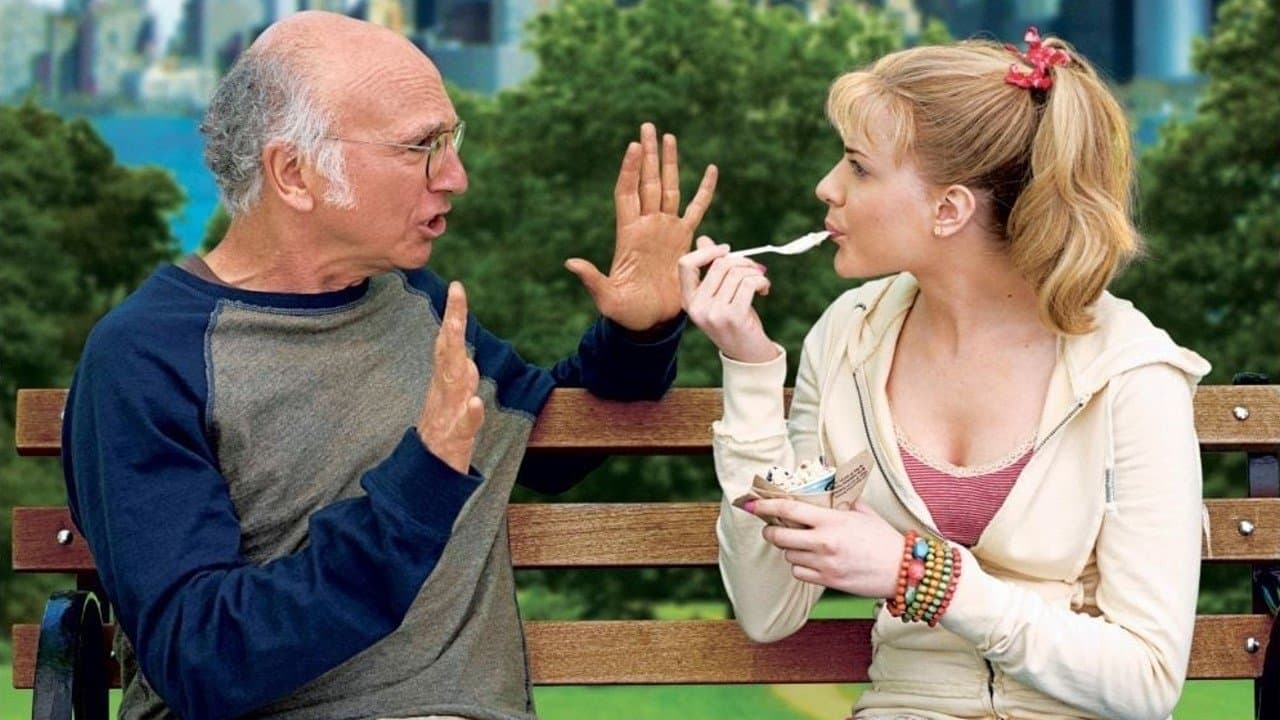
Whatever Works opens on Boris Yellnikoff, a brilliant but deeply cynical physicist who's abandoned his career and retreated into a cramped New York apartment to nurse his misanthropy. Enter Melody, a naive, impressionable runaway from the American South who stumbles into Boris's life with the kind of wide-eyed optimism that makes him want to pull his hair out. She's everything he claims to despise — religious, simple, utterly uncynical — and yet something clicks. The film doesn't apologize for the age gap or the sheer absurdity of their pairing. Instead, it leans into it, suggesting that sometimes the most unlikely combinations are the ones that actually work. When Melody's uptight, buttoned-up parents arrive in Manhattan to rescue their wayward daughter, the real chaos begins. What unfolds isn't a simple "rescue mission" but rather a cascade of romantic entanglements that catch everyone off guard, including themselves.
Behind the Making of Whatever Works
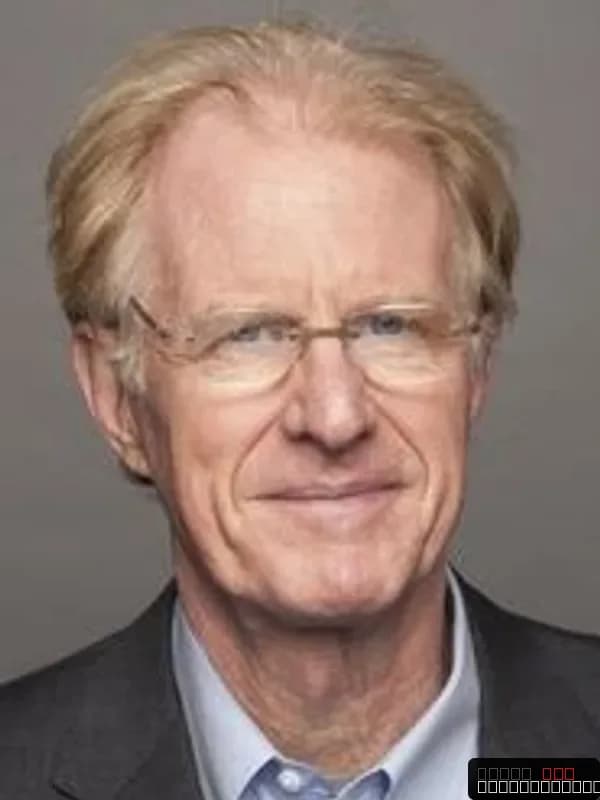
Whatever Works marks a return to form for Woody Allen as both writer and director, released in June 2009 to a landscape hungry for his particular brand of neurotic, dialogue-heavy comedy. The film boasts an impressive ensemble cast anchored by Larry David's Oscar-nominated turn as Boris—a role that feels tailor-made for David's deadpan delivery and ability to make misanthropy sound like philosophy. Evan Rachel Wood, then in her mid-twenties, plays against type as the bubbly Melody, bringing genuine warmth to what could've been a one-note character. Supporting players including Patricia Clarkson and Ed Begley Jr. round out the family dynamics with pitch-perfect comedic timing. Produced by Wild Bunch, Gravier Productions, and Perdido Productions, the film was shot entirely in New York City, allowing Allen to use the metropolis as more than just a backdrop—it's practically a character itself. The film earned $35 million at the global box office, a solid performance for an indie-leaning comedy. It didn't sweep awards season, but it found its audience among those who appreciate Allen's particular sensibility and the kind of dialogue-driven humor that's become rarer in contemporary cinema.
What Makes Whatever Works Stand Out
Here's the thing about Whatever Works: it's a film that trusts its audience to sit with contradiction. Boris spends much of the movie articulating why love is a con, why relationships are fundamentally doomed, why accepting another person means accepting their flaws and irrationality—and yet the film itself is arguing the opposite through its very structure. The performances anchor this tonal tightrope beautifully. David's delivery of Allen's quips feels effortless, like he's thinking out loud rather than reciting dialogue, which is exactly the point. What's striking is how the film refuses to "fix" Boris or make him suddenly likable. He remains prickly, cantankerous, and often insufferable right through to the end, and somehow that's precisely why the romance works. It's not about transformation; it's about finding someone willing to accept you as you actually are. The supporting cast deserves equal credit—Clarkson, in particular, gets some of the film's sharpest moments, and watching her character's arc unfold with genuine surprise and vulnerability is one of the film's quiet pleasures. The dialogue sparkles in that distinctly Allenian way, peppered with references to philosophy, literature, and the neuroses of Manhattan intellectuals, yet it never feels precious or self-satisfied.
Where to Stream Whatever Works Online
Whatever Works is currently available on major OTT services, making it easier than ever to access this 92-minute gem from your couch. Rather than hunting across multiple platforms, Movie OTT aggregates current streaming availability so you can see exactly where it's playing right now—whether that's a subscription service you already have or one you're considering. The film's relatively short runtime makes it perfect for a weeknight watch, and its New York City setting pairs nicely with a rainy evening or a mood to escape into Allen's particular version of Manhattan. Check the Where to Watch widget at the top of this page for real-time availability in your region, as streaming rights shift seasonally and by territory.
Frequently asked questions
Q: Who directed Whatever Works?
Woody Allen wrote and directed Whatever Works. It was released in June 2009 and represents one of his more overtly comedic efforts from that period, focusing on romantic entanglement rather than existential dread.
Q: Is Whatever Works based on a true story?
No, Whatever Works is an original screenplay by Woody Allen. The characters and plot are fictional, though the film draws on Allen's longstanding themes of New York City life, romantic mismatch, and philosophical neurosis.
Q: What's the age difference between the main characters in Whatever Works?
The film deliberately plays with the age gap between Boris (Larry David) and Melody (Evan Rachel Wood). Rather than shying away from it, Allen uses the gap as a source of both comedy and genuine tension—part of what makes their pairing feel so unconventional and, ultimately, oddly fitting.
Q: How long is Whatever Works?
The film runs 92 minutes, making it one of Allen's more compact comedies. It's lean enough to move quickly through its romantic entanglements without feeling rushed.
Q: What's the tone of Whatever Works—is it a serious romance or a comedy?
It's genuinely both, though comedy is the primary engine. The film uses humor to explore real emotional stakes—what happens when two fundamentally incompatible people find themselves drawn together anyway, and whether "whatever works" is actually a viable philosophy for love.
Final Thoughts on Whatever Works
Whatever Works isn't Allen's most celebrated film, and it won't appeal to everyone. If you're looking for a movie that validates your cynicism about love and human connection, you might find it here—at least for the first hour. But stick around. The film's real argument is subtler and more humane than its opening salvos suggest. It's about accepting people as they are, finding humor in incompatibility, and recognizing that sometimes the most improbable combinations are the ones that actually stick. That's worth a watch, especially if you've got a streaming subscription ready to go.