






The story of When a Stranger Calls
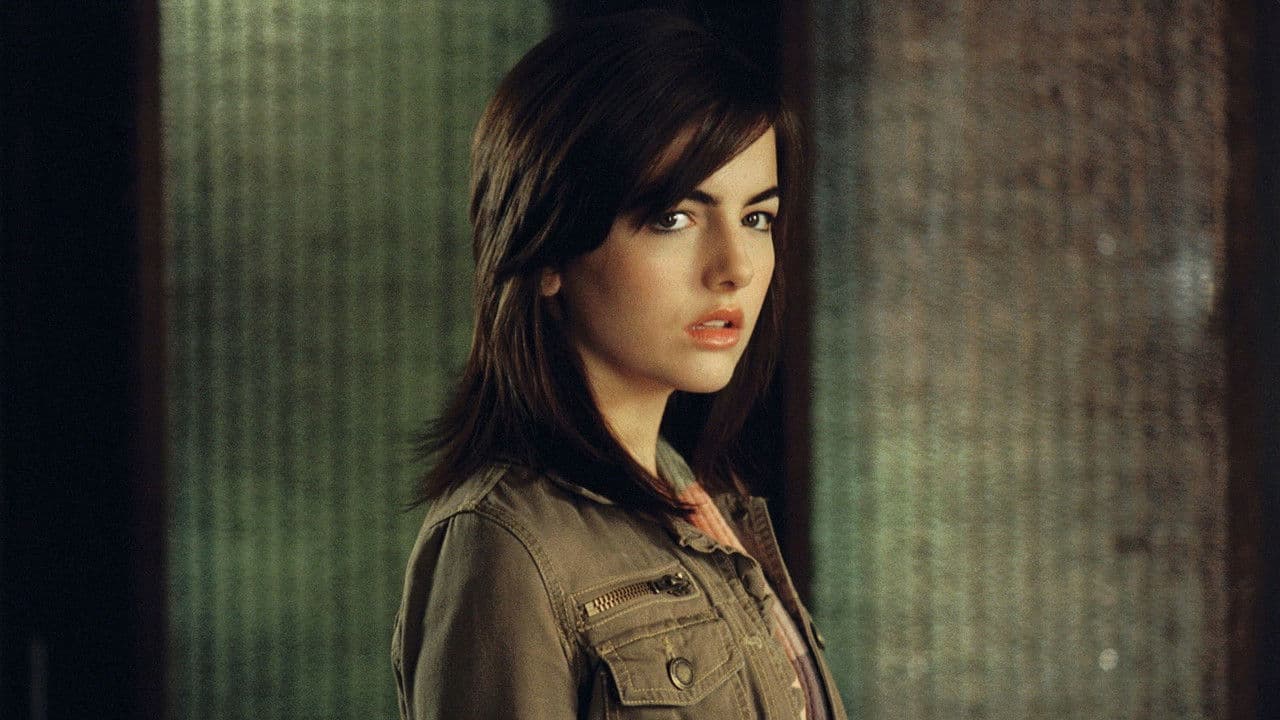
When a Stranger Calls opens with a deceptive simplicity that's almost cruel in its setup. Jill Johnson, a teenager, arrives at an upscale home to babysit—a job that should be straightforward, forgettable even. The children are already asleep. The house is quiet. She settles in expecting an ordinary evening. Then the phone rings. What begins as unsettling becomes suffocating as the voice on the other end—calm, knowing, sadistic—refuses to stop calling. The caller's words grow darker with each ring. Jill's routine night transforms into something else entirely: a psychological siege where she's trapped in a house with two sleeping children and an unknown threat that might be anywhere, everywhere, nowhere. The film's central tension comes from this unbearable uncertainty—the not-knowing being far more terrifying than any jump scare.
Behind the making of When a Stranger Calls
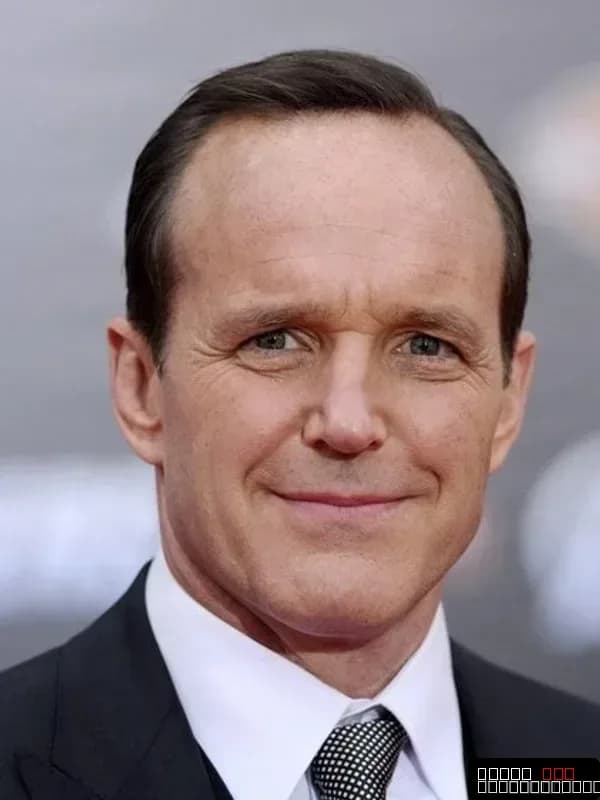
This 2006 American psychological horror film was directed by Simon West and written by Jake Wade Wall, marking an ambitious expansion of Fred Walton's 1979 cult classic. The original film became legendary almost entirely because of its opening 23-minute sequence—a masterpiece of mounting dread that influenced horror filmmaking for decades. Rather than simply remake those 23 minutes, West and Wall made a bold creative choice: extend that premise into a full feature-length experience. The film stars Camilla Belle in the lead role, with Brian Geraghty, Katie Cassidy, and Clark Gregg in supporting roles, while the voice of the caller is performed by both Tommy Flanagan and Lance Henriksen—two actors whose voices carry inherent menace.
Produced by Davis Entertainment and Screen Gems, the film arrived during a period when horror remakes were becoming increasingly common (think The Ring, The Grudge, The Hills Have Eyes). The production design emphasizes the isolation and luxury of the home—all glass, clean lines, and nowhere to hide—which becomes a character itself. The 87-minute runtime is lean and focused, wasting little time on exposition. While the film didn't achieve major awards recognition or blockbuster box office numbers, it found an audience among horror fans who appreciated its attempt to honor the original while creating something new. The MPAA rated it PG-13, which was a deliberate choice that made the psychological horror more dependent on atmosphere than gore.
What makes When a Stranger Calls stand out
What's striking is how the film succeeds not through what it shows but through what it doesn't. The camera lingers on Jill's face—Camilla Belle's performance anchors everything here, her fear feeling genuine rather than performed—as she listens to the voice on the other end of the line. There's no bloody violence, no masked killer stalking through rooms in the traditional slasher sense. Instead, the terror is almost abstract: it's a voice, a presence, an idea that something terrible is happening or about to happen. Belle carries the entire film on her shoulders, and she doesn't flinch from the vulnerability her character needs to display.
The cinematography uses the modern house as both sanctuary and trap. Shadows fall in unexpected places. Windows become potential entry points. Every room feels exposed. The sound design—the ringing phone, the breathing on the other end of the line, the ambient hum of an empty house—does more work than any orchestral score could. That said, the film isn't without its flaws. Audience reviews have noted that the plot can strain credibility at times, and some character decisions feel questionable when you think about them afterward (though thinking about it afterward is kind of the point—the film gets under your skin). Honestly, it's a movie that works better while you're watching it than when you're analyzing it, which isn't necessarily a weakness. Sometimes a thriller's job is simply to make you uncomfortable for 87 minutes, and this one accomplishes that.
Where to stream When a Stranger Calls online
When a Stranger Calls is available on major OTT services—check the Where to Watch widget at the top of this page for current platform availability in your region. Streaming rights shift frequently, so what's available today might change next month, which is why Movie OTT tracks real-time availability across platforms. If you're hunting for this film, the widget will show you exactly where you can access it right now, whether that's through subscription services, rental options, or free ad-supported platforms. Rather than guessing which service has it, the aggregator handles that legwork for you.
Frequently asked questions
Q: Is When a Stranger Calls based on a true story?
No, it's a fictional remake of the 1979 horror film of the same name. However, the original 1979 film was inspired by urban legends and the real-world fear of unknown callers, which is why it feels so grounded and unsettling.
Q: Who directed When a Stranger Calls and what else has he made?
Simon West directed the film. He's also known for action and thriller work, including xXx and Lara Croft Tomb Raider: The Cradle of Life. His approach to When a Stranger Calls emphasizes psychological tension over spectacle.
Q: How does this remake compare to the 1979 original?
The 1979 film's opening 23 minutes are considered iconic in horror history. This 2006 version takes that concept and expands it into a full 87-minute feature, changing the structure and adding new plot elements while attempting to maintain the original's spirit of escalating dread.
Q: What's the runtime and rating?
When a Stranger Calls runs 87 minutes and is rated PG-13, making it more restrained in terms of violence and gore than many horror films, relying instead on psychological tension.
Q: Why does the caller have two different actors voicing him?
Tommy Flanagan and Lance Henriksen both provide the voice of the caller at different points in the film, which adds to the unsettling quality—you're never quite sure if it's the same person or multiple threats.
Final thoughts on When a Stranger Calls
When a Stranger Calls isn't a perfect film, but it understands something crucial: the most effective horror doesn't always require elaborate setpieces or gore. Sometimes it's just a voice, a phone that won't stop ringing, and the creeping realization that you're alone and vulnerable. Camilla Belle's performance and the film's commitment to psychological dread over cheap scares make it worth watching if you're a fan of horror that operates on nerve rather than spectacle. It's the kind of movie that might make you think twice about answering the phone late at night—which, honestly, is exactly what it's trying to do.