Unpacking the Premise of White Man's Burden
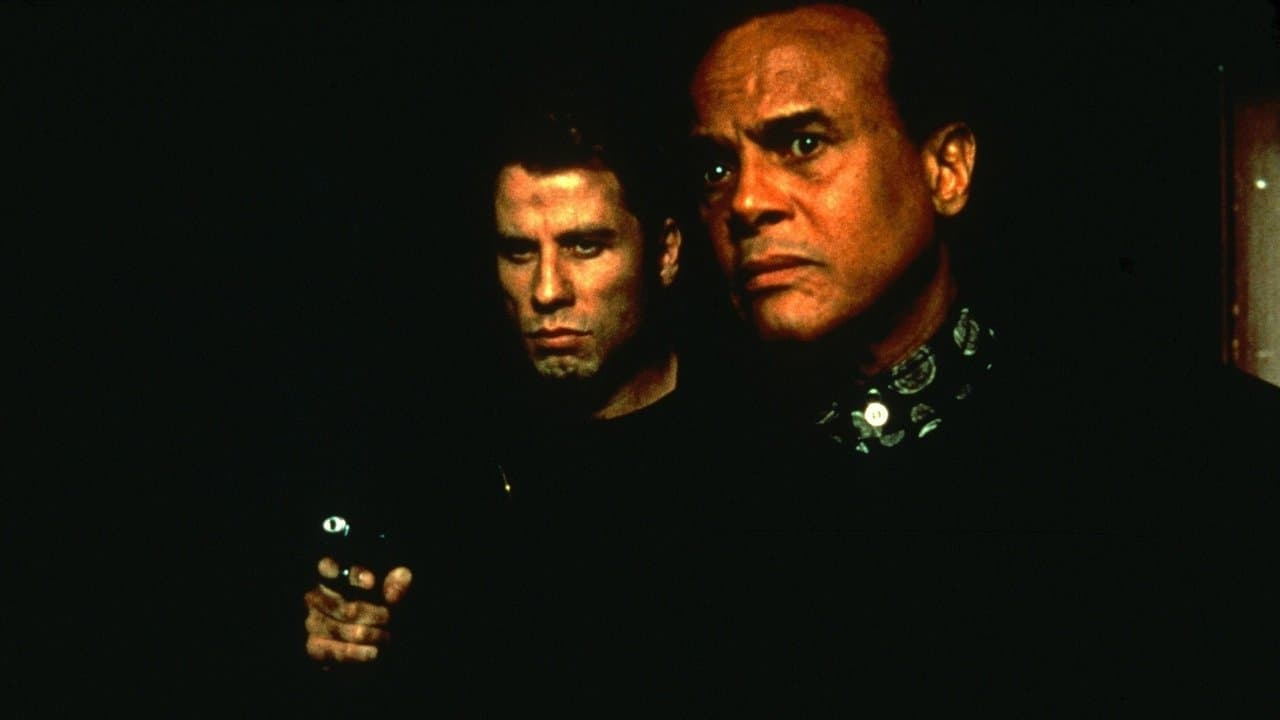
White Man's Burden plunges viewers into a starkly different America, a speculative world where the racial hierarchy we know is completely inverted. Here, Black citizens form the social elite, holding positions of power and wealth, while white people inhabit inner-city ghettos, struggling for basic existence. It’s a bold, almost jarring, setup. The story centers on Louis Pinnock, a devoted white factory worker, husband, and father of two, whose life takes a catastrophic turn after a seemingly innocuous incident. While making a delivery for his Black CEO, Thaddeus Thomas, Pinnock is unjustly accused of voyeurism. This mistaken identity triggers a rapid downward spiral: he loses his job, endures a beating from Black police officers, and his family is evicted from their home. Desperate and pushed to the brink, Pinnock resorts to a desperate act, kidnapping Thomas and demanding a justice that seems impossible in this inverted reality.
Behind the Making of White Man's Burden and Its Reception
The 1995 drama White Man's Burden was the brainchild of writer and director Desmond Nakano, a filmmaker who sought to explore racial prejudice through a radical lens. Produced by UGC, A Band Apart, and Lawrence Bender Productions, the film brought together an intriguing cast led by John Travolta, fresh off his Pulp Fiction resurgence, and the legendary Harry Belafonte. Travolta, known for his charismatic roles, took on the challenging part of the downtrodden Louis Pinnock, a man stripped of his dignity and livelihood. Belafonte, a prominent civil rights activist and entertainer, brought a weighty gravitas to his role as the powerful CEO Thaddeus Thomas, embodying the very system Pinnock rails against. This pairing alone was enough to pique curiosity, offering a unique dynamic between two actors from very different walks of Hollywood. The film runs a lean 89 minutes, a runtime that—honestly—feels about right for its focused, albeit intense, narrative. Despite its potent premise and a cast of this caliber, White Man's Burden faced a difficult road upon its U.S. release on December 1, 1995. It suffered from weak box-office performance and garnered largely negative reviews from critics, a common fate for films that challenge societal norms so directly. Even now, Movie OTT strives to bring attention to these often-overlooked, thought-provoking titles, regardless of their initial commercial success, helping cinephiles discover hidden gems or controversial pieces like this one.
The Uncomfortable Truths Explored in White Man's Burden
Despite its lukewarm critical reception and a modest IMDb rating of 5.082/10, White Man's Burden remains a fascinating, if flawed, social experiment. What's striking is its audacious premise, forcing audiences to confront the inherent unfairness of systemic inequality by simply flipping the script. It's an uncomfortable watch, designed to elicit empathy for a group that historically hasn't been the focus of such narratives. Travolta’s performance as Pinnock is particularly compelling; he portrays a man whose desperation grows with every loss, from his job to his home, culminating in a raw, explosive outburst that feels both inevitable and tragic, a true testament to the psychological toll of systemic oppression. His quiet suffering, particularly in the scene where he's beaten by Black police officers, is truly impactful. Belafonte, too, delivers a nuanced turn as Thomas, initially appearing as an antagonist but gradually revealing the complexities of his own position within this inverted society. The film asks us to consider not just who holds power, but what happens when that power is abused, regardless of race. Variety, for instance, reported that critics found its allegorical approach too heavy-handed, often simplifying complex issues rather than truly exploring them. I keep coming back to the film's courage, though. It might not always stick the landing, but its willingness to provoke, to make us squirm, is undeniable. A challenging watch.
Finding White Man's Burden on Major Streaming Platforms
For those intrigued by its controversial premise or wanting to revisit this unique piece of 90s cinema, White Man's Burden is currently available on major OTT services. While the "Where to Watch" widget at the top of this page will provide the most up-to-date and comprehensive list of platforms, you can typically find it streaming on popular services that host a wide array of catalog titles. Our editorial team at Movie OTT consistently tracks the availability of films like White Man's Burden across all major streaming platforms, ensuring you're always just a click away from finding where to watch your next movie night pick. Checking our site regularly will keep you informed about its current streaming homes, rental options, and purchase availability.
Frequently asked questions
Q: What is the premise of White Man's Burden? A: White Man's Burden is a 1995 drama set in an alternate America where socioeconomic roles are reversed, with Black people as the elite and white people in disadvantaged positions. It follows a white factory worker whose life unravels after a misunderstanding with a Black CEO.
Q: Who are the main stars of White Man's Burden? A: The film stars John Travolta as Louis Pinnock, the struggling white factory worker, and Harry Belafonte as Thaddeus Thomas, the powerful Black CEO. Their dynamic performances anchor the film's challenging narrative.
Q: When was White Man's Burden released? A: White Man's Burden was released in the U.S. on December 1, 1995. The film has a runtime of 89 minutes, making it a relatively concise viewing experience.
Q: What is the IMDb rating for White Man's Burden? A: The film holds an IMDb rating of 5.082/10. While not highly rated by critics at the time, its unique premise still sparks discussion among viewers today.
Who Should Watch White Man's Burden Today
Ultimately, White Man's Burden is a film for those interested in social commentary and experimental storytelling. It’s not an easy watch, nor is it universally acclaimed, but its premise alone makes it a significant entry in the canon of films tackling race relations. If you're looking for a movie that sparks discussion and forces you to consider uncomfortable perspectives, this 1995 drama is definitely worth your time. It’s a film that, for all its flaws, doesn't shy away from its provocative idea. We at Movie OTT believe these kinds of challenging films deserve an audience, offering valuable insights into the complexities of human experience, even when they present them in an inverted mirror.