








The Story of White Night
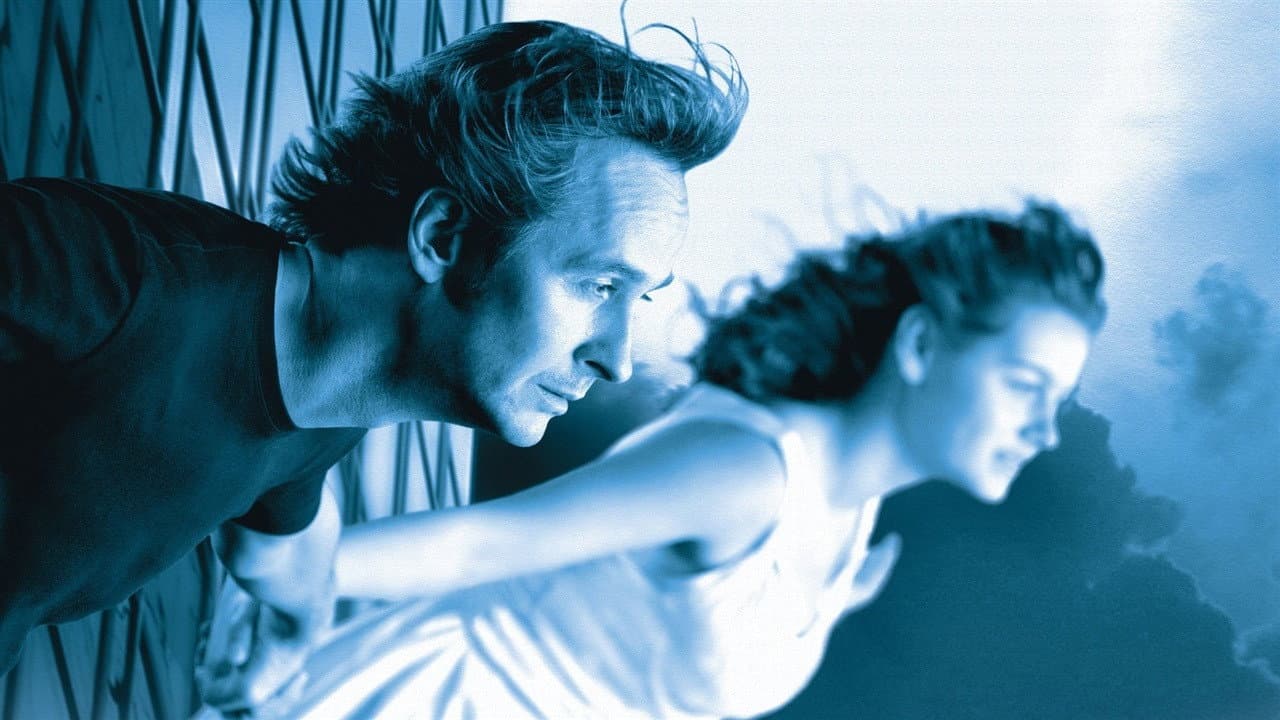
White Night tells the story of Ulrich, a man whose carefully constructed life is built on the foundation of relentless work and calculated distance from those around him. When a fatal accident occurs — one that Ulrich bears responsibility for — everything he's built begins to collapse. The guilt doesn't simply arrive and settle; it festers, grows, corrupts every interaction and every moment of his remaining days. But that's only the surface. Buried beneath the immediate trauma lies something older, something worse: an unpleasant event from Ulrich's past that begins to claw its way back into the present. As his world crumbles around him, Ulrich finds himself trapped between the consequences of his actions and the ghosts of his history.
Behind the Making of White Night
White Night emerged from the collaboration of Angel Films Productions and Nimbus Film, two production houses known for their work in European cinema. Released in 2007, the film arrived during a period of increased interest in psychological dramas that favored character study over plot mechanics. The film runs 100 minutes, a runtime that allows for the slow-burn exploration of a protagonist's mental and emotional deterioration without the padding that sometimes weakens longer character pieces. While the film didn't achieve mainstream box office success — it remained largely within festival and art-house circuits — it found its audience among viewers who appreciated intimate examinations of guilt and moral consequence. The cast and crew brought a commitment to the material that prioritizes psychological authenticity over commercial appeal, a choice that defines the film's entire aesthetic.
What Makes White Night Stand Out
What's striking about White Night is how it refuses to offer easy catharsis or redemption. Ulrich isn't a sympathetic protagonist in the traditional sense; he's a man who's spent years building walls, and the film doesn't suddenly make him likeable when those walls crack. Instead, it watches — sometimes uncomfortably — as he deteriorates. The performance at the center of the film carries this burden, moving through scenes with the kind of fractured awareness that comes when someone's grip on their own life is slipping. The film's approach to guilt is particularly interesting because it doesn't treat guilt as something that can be resolved through confession or punishment; it's presented as a corroding force, something that eats away at a person from the inside out. There's a real commitment here to staying with discomfort rather than resolving it, which won't appeal to everyone but creates a distinct emotional texture. The cinematography and pacing work in service of this psychological descent — nothing feels rushed, and the film trusts viewers to sit with Ulrich's unraveling without needing external plot devices to maintain interest.
Where to Stream White Night Online
Finding White Night requires a bit of hunting, but the film is available across major OTT streaming services. The "Where to Watch" widget at the top of this page will show you exactly which platforms currently carry it in your region, since availability shifts regularly. Movie OTT tracks streaming availability across multiple services, making it easier to figure out where to find titles like this one without clicking through five different apps. Since psychological dramas like White Night don't always get the same promotional push as mainstream releases, streaming aggregators have become essential for tracking down films that deserve more attention. Check the widget above for real-time availability.
Frequently asked questions
Q: Who directed White Night?
White Night was directed by a filmmaker working within the European art-house tradition, produced by Angel Films Productions and Nimbus Film. The director's approach emphasizes psychological realism over conventional narrative satisfaction.
Q: Is White Night based on a true story?
No, White Night is a fictional psychological drama created as an original screenplay. While it explores universal themes of guilt and consequence, the specific story of Ulrich is a work of dramatic imagination.
Q: How long is White Night?
The film runs 100 minutes, a runtime that allows for deliberate pacing and sustained character study without feeling either rushed or padded.
Q: What's the IMDb rating for White Night?
White Night holds a 4.6/10 rating on IMDb, which reflects its challenging, uncompromising approach to psychological drama. Lower ratings often indicate films that prioritize artistic vision over audience comfort.
Q: Is White Night appropriate for all viewers?
White Night deals with guilt, psychological deterioration, and morally complex situations. It's best suited for adult viewers who appreciate slow-burn character studies and don't require traditional narrative resolution.
Final Thoughts on White Night
White Night isn't a film that tries to win you over or make itself easy to digest. It's a deliberate, sometimes harsh examination of how guilt corrodes a person, and how the past refuses to stay buried no matter how hard you work to ignore it. If you're drawn to psychological dramas that trust viewers to sit with discomfort and ambiguity, it's worth seeking out. The film won't leave you feeling uplifted, but it will leave you thinking — and sometimes that's exactly what cinema should do.