

The Story of Why Do Fools Fall In Love
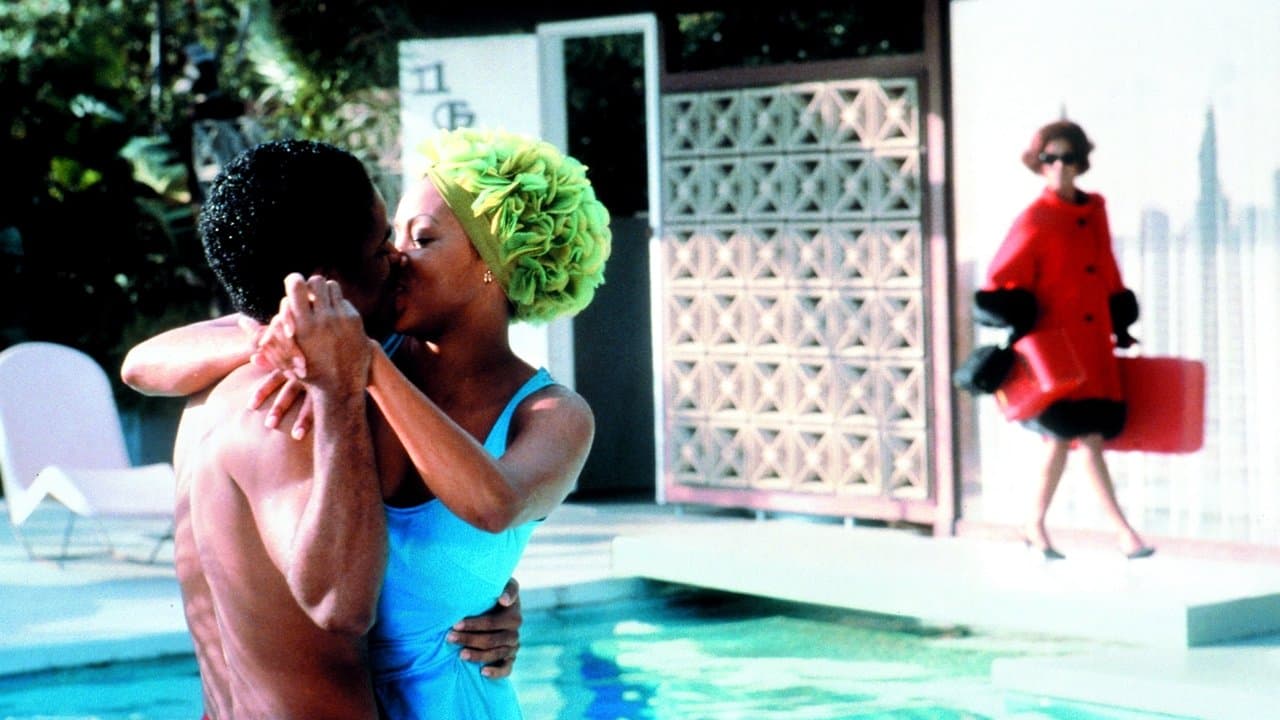
Why Do Fools Fall In Love opens in the mid-1980s with a premise that sounds almost like a setup to a joke—except it's rooted in real legal chaos. Three women arrive at the office of New York entertainment manager Morris Levy, each accompanied by her own attorney, each insisting she's the legitimate widow of Frankie Lyman, the boyish, high-pitched voice behind some of doo-wop's greatest hits. One woman is an L.A. singer who once performed with the Platters. Another is a former petty thief from Philadelphia. The third teaches school in a small Georgia town. They're not there for nostalgia. They're there for money—years of unpaid royalties that Levy has apparently been sitting on, and they want what's owed to the estate. What begins as a straightforward civil trial becomes something far more complex: a series of overlapping flashbacks that tell three entirely different versions of what it meant to be married to Frankie Lyman, a man whose talent was matched only by his vulnerability to heroin.
The film doesn't just pit the women against each other in court. That's almost beside the point. Instead, director Gregory Nava uses the trial structure as a frame to explore three parallel love stories—each one genuine, each one tragic, each one incomplete in ways that only become clear when you see them all together. Slowly, as the trial progresses and the flashbacks accumulate, something unexpected happens. The three wives stop being competitors and start recognizing something in each other: a shared history of loving the same flawed, talented, doomed man.
Behind the Making of Why Do Fools Fall In Love
Why Do Fools Fall In Love arrived in 1998 as a Warner Bros. Pictures production under the Rhino Films banner, with a runtime of 116 minutes that gives each storyline room to breathe. The film was directed by Gregory Nava, known for his work on biographical and historical dramas that often center on overlooked or marginalized voices. The cast brought real weight to the material—though this wasn't a star-studded blockbuster, the ensemble was carefully chosen to capture both the glamour and the grit of 1950s doo-wop culture. The film's interest in Frankie Lyman himself speaks to a broader cultural moment in the late 1990s when the music industry was being forced to reckon with how it had treated early rock and roll pioneers, many of them Black artists who'd been systematically cheated out of their earnings and recognition.
The production design had to navigate multiple time periods and settings—from the glitzy stages of 1950s New York to Philadelphia streets, to a small Georgia town—all while maintaining visual coherence across three competing narratives. That's no small feat. The film arrived without major award recognition, though it found an audience among viewers interested in music history and overlooked biographical stories. Its IMDb rating of 6.4 out of 10 reflects the kind of middling reception that often greets well-intentioned dramas that don't quite break through to mainstream attention, but it's the kind of film that tends to find new viewers on streaming platforms, where Movie OTT helps track its current availability across multiple services.
What Makes Why Do Fools Fall In Love Stand Out
What's striking about Why Do Fools Fall In Love is how it refuses to pick a villain. The trial structure could've been a simple morality play—greedy manager versus wronged women—but Nava complicates that. Morris Levy isn't cartoonishly evil. He's a businessman operating in an industry built on exploitation, and the film doesn't let that distinction get lost. The real tension comes from the fact that all three women are telling the truth. Their stories don't contradict each other; they coexist. Frankie Lyman was a man who could genuinely love multiple people, could make genuine promises to each of them, could fail all of them equally.
The performances carry this weight without melodrama. What I keep coming back to is how the actresses—playing women separated by geography, class, and circumstance—manage to convey both the specificity of their individual experiences and a universal understanding of what it means to have loved someone who couldn't stay. There's a scene late in the film where the three women share a moment of recognition, not forgiveness exactly, but something closer to mutual acknowledgment. That's when the film transcends its courtroom framework and becomes something more like a meditation on how love and loss can bind people together even when everything else divides them.
The film's treatment of Frankie Lyman himself is surprisingly sympathetic without being excusing. His addiction isn't glossed over or dramatized for effect. It's presented as the thing that made him incapable of being the husband any of these women needed, even though he wanted to be. That's a harder story to tell than either pure romance or pure tragedy, and the film mostly pulls it off. Movie OTT users searching for 1990s biographical dramas or music-industry stories will find this one worth the time investment, even if it doesn't hit the emotional heights of more celebrated films in the genre.
Where to Stream Why Do Fools Fall In Love Online
Why Do Fools Fall In Love is currently available on major OTT services, and you can check the "Where to Watch" widget at the top of this page to see which platforms are streaming it in your region right now. Streaming availability shifts frequently, so if you've been meaning to watch this film, it's worth checking sooner rather than later. The 116-minute runtime makes it a solid evening watch—long enough to get invested in all three stories, short enough that it doesn't feel like a commitment. If you're using Movie OTT to track where films are streaming, you'll get real-time updates on availability, which beats the frustration of settling in to watch something only to discover it's no longer on your preferred platform.
Frequently asked questions
Q: Is Why Do Fools Fall In Love based on a true story?
Yes, the film is based on the real legal battle over Frankie Lyman's estate. Frankie Lyman was an actual doo-wop singer who died in 1968, and multiple women did claim to be his widow, fighting over unpaid royalties. The film dramatizes these events and the women's relationships with Lyman.
Q: Who directed Why Do Fools Fall In Love?
Gregory Nava directed the film. Nava is known for biographical and historical dramas that center on overlooked cultural stories, which made him a fitting choice for this material.
Q: How long is Why Do Fools Fall In Love?
The film runs 116 minutes, giving each of the three women's stories sufficient time to unfold without rushing through the flashbacks or courtroom sequences.
Q: What's the IMDb rating for Why Do Fools Fall In Love?
The film has an IMDb rating of 6.4 out of 10, reflecting mixed but generally positive reception from viewers who appreciate its approach to the material.
Q: Where can I watch Why Do Fools Fall In Love?
You can find Why Do Fools Fall In Love on major streaming platforms. Check the "Where to Watch" widget at the top of this page for current availability in your area, or use Movie OTT's streaming tracker to see which services have it right now.
Final Thoughts on Why Do Fools Fall In Love
Why Do Fools Fall In Love isn't a perfect film, but it's an honest one. It refuses easy answers and asks you to hold multiple truths at once—that Frankie Lyman was talented and self-destructive, that all three women were wronged, that love and betrayal aren't opposites but sometimes the same thing wearing different masks. If you're interested in music history, courtroom dramas, or stories about women finding unexpected connection, this 1998 drama deserves your attention. It won't blow your mind, but it might stay with you longer than you'd expect.