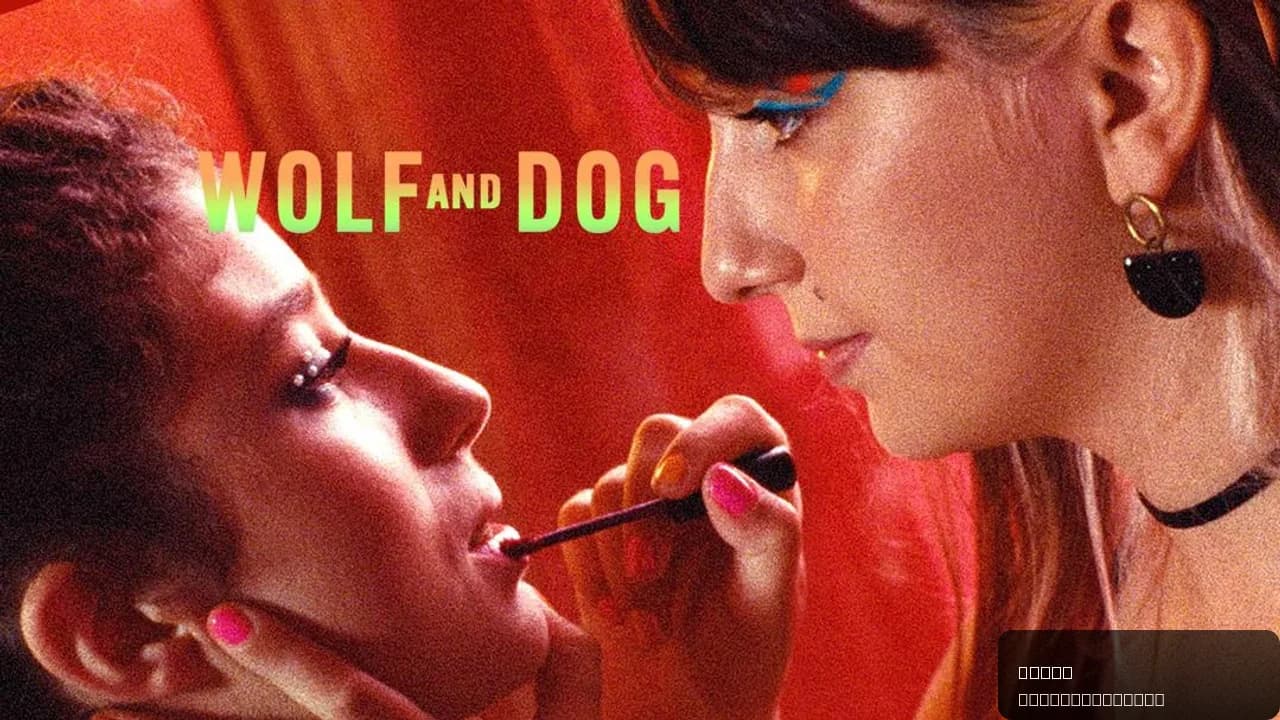
The story of Wolf and Dog unfolds on an island where tradition runs deep
Wolf and Dog tells the story of a teenager navigating the rigid social structures of an isolated Portuguese island, where the old ways still hold considerable sway. She's caught between the expectations of her community and the pull of something entirely different—a glimpse into the queer world that exists just beneath the surface of her small town. The film doesn't announce itself with grand gestures. Instead, director Cláudia Varejão crafts something quieter, more observational, letting the character's internal world unfold through small moments of connection and realization. What starts as curiosity becomes something more urgent: a need to understand who she might become, and whether that person has a place on the island she calls home.
The premise is deceptively simple. A teen, her friends, and the local queer community. But there's real tension there—the kind that comes from living in a place where visibility can feel dangerous, where finding your people means learning to exist in shadows and safe spaces. That's the heart of what Wolf and Dog explores, and it's what gives the film its emotional weight.
Behind the making of Wolf and Dog: Portuguese cinema meets queer storytelling
Wolf and Dog is a co-production between Portugal and France, directed by Cláudia Varejão in her feature work. The ensemble cast includes Ana Cabral, Ruben Pimenta, Cristiana Branquinho, João Tavares, Marlene Cordeiro, Nuno Ferreira, and Luísa Alves—largely Portuguese performers who bring an authenticity to their roles that feels lived-in rather than performed. The film's 111-minute runtime gives Varejão space to build atmosphere and character without rushing toward easy resolutions.
The film has earned significant festival recognition, with 11 wins and 24 nominations across its festival run. While it didn't become a mainstream box-office phenomenon, it found its audience among critics and festival programmers who recognized something genuine in its approach to queer identity and coming-of-age storytelling. The IMDb community has rated it 6.1 out of 10 from 381 votes—respectable for a smaller, character-driven drama that doesn't chase broad appeal. What's striking is that Wolf and Dog never feels like it's trying to be something it isn't. It's a film made by people who understand the world they're depicting, and that specificity shows in every frame.
The production values are modest but intentional. There's no glossy cinematography masking emotional hollowness here—instead, the visual language serves the story's introspection. Varejão's direction allows her actors room to breathe, to sit with uncomfortable silences, to let glances and small gestures carry meaning. That restraint is a choice, and it's one that pays off when the emotional beats land.
What makes Wolf and Dog stand out: authenticity over spectacle
Here's the thing about Wolf and Dog that I keep coming back to—it doesn't treat queer identity as a problem to be solved or a tragedy waiting to happen. Instead, it presents discovery as something messy, complicated, sometimes joyful, and absolutely necessary. The performances anchor everything. Ana Cabral carries the film with a kind of quiet intensity; her character's journey from confusion to recognition feels earned rather than imposed. The supporting cast (and they're really not supporting—everyone gets their moment) creates a community that feels real, with genuine friendships and real stakes.
What's less common in coming-of-age cinema, especially from smaller European productions, is the refusal to moralize. Wolf and Dog doesn't lecture its protagonist about acceptance or self-love. Instead, it shows her finding people—friends, mentors, lovers—who simply exist as themselves, and lets that visibility do the work. The film trusts its audience to understand what's at stake without spelling it out. There's a scene early on where the teen watches members of the queer community at a gathering, and the camera holds on her face as understanding dawns. Not the dramatic, cinematic kind of understanding—the real kind, where you realize something about yourself you can't un-know.
The drama emerges not from external conflict but from internal contradiction. She wants to belong to the island, to her family, to tradition—and she also wants to belong to herself. That's where the tension lives, and that's what makes Wolf and Dog feel relevant beyond its specific setting. When you're figuring out who you are, those two desires don't always align, and the film sits honestly in that space.
Where to stream Wolf and Dog online
Wolf and Dog is currently available to stream on Prime Video. If you're hunting for where to watch it, check the streaming widget at the top of this page—it'll show you the most current availability across platforms. Movie OTT tracks real-time streaming locations for films like this, so you can see exactly where it's available in your region without hunting through multiple apps. Since streaming rights shift regularly, especially for international titles, it's worth checking before you settle in. The good news is that Prime Video's catalog includes a solid range of European arthouse and independent cinema, so Wolf and Dog sits comfortably among films that prioritize character and storytelling over commercial calculation.
Frequently asked questions
Q: Who directed Wolf and Dog?
Cláudia Varejão directed Wolf and Dog. It's her feature film work, made as a co-production between Portugal and France, and her approach emphasizes character development and emotional authenticity over conventional dramatic structure.
Q: What year was Wolf and Dog released?
Wolf and Dog premiered in 2022. It made the festival circuit before finding its way to streaming platforms, where it's now available for wider audiences to discover.
Q: Is Wolf and Dog based on a true story?
Wolf and Dog isn't based on a specific true story, but it draws from real experiences of queer identity and coming-of-age in conservative communities. The specificity of the Portuguese island setting and the authenticity of the performances give it a documentary-like quality that feels rooted in lived experience.
Q: How long is Wolf and Dog?
The film runs 111 minutes, giving director Varejão enough time to develop her characters and build atmosphere without unnecessary padding or rushed pacing.
Q: Where can I watch Wolf and Dog?
Wolf and Dog is currently streaming on Prime Video. You can check the where-to-watch widget above to confirm current availability in your region, or visit Movie OTT for real-time updates on streaming locations for international titles like this one.
Final thoughts on Wolf and Dog
Wolf and Dog isn't a film that arrives with hype or awards-season momentum. It's the kind of movie you discover quietly, maybe through a recommendation or a festival mention, and then find yourself thinking about days later. That's not a flaw—it's actually the point. This is cinema for people who want to sit with characters, who find meaning in small moments, who understand that coming-of-age isn't about one dramatic revelation but about a series of small recognitions that gradually reshape your sense of self. If you're looking for a drama that treats queer identity with specificity and care, or if you simply want to watch good actors inhabit complicated characters, Wolf and Dog is worth your time.