



The story of Zandalee: passion, betrayal, and the cost of desire
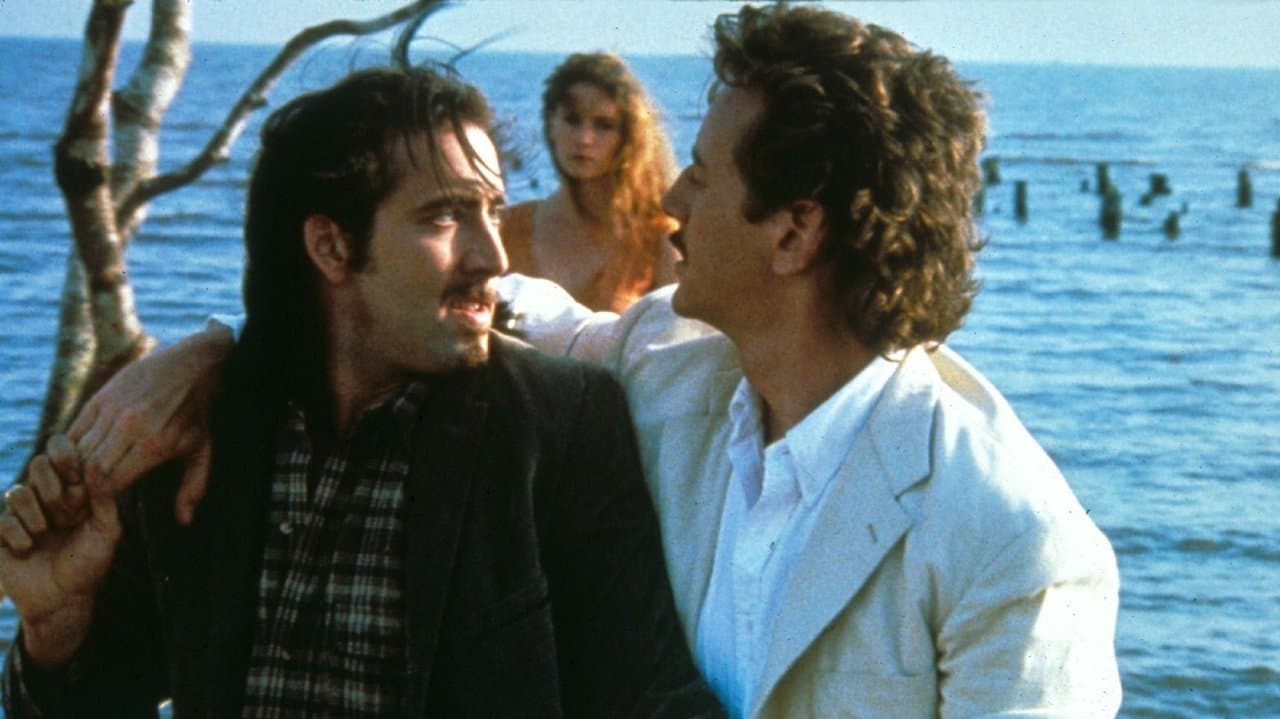
Zandalee tells the story of a woman caught between two men and the choices that will unravel her life. Zandalee herself is trapped in a marriage to Thierry, a poet who's traded his artistic soul for a corporate paycheck and the numbing comfort of routine. Enter Johnny, an old friend of her husband's—charming, dangerous, and utterly self-absorbed. He's the kind of person who doesn't just walk into a room; he rewires it. What begins as flirtation becomes an obsession, a sensual affair that promises escape but delivers only destruction. The film's tagline says it best: "One woman... two men... one driven by desire. The other driven to the edge." It's a setup that's as old as literature itself, but Zandalee doesn't apologize for mining that territory. This isn't a film interested in subtlety or restraint.
Behind the making of Zandalee: Zola, star power, and erotic cinema in the '90s
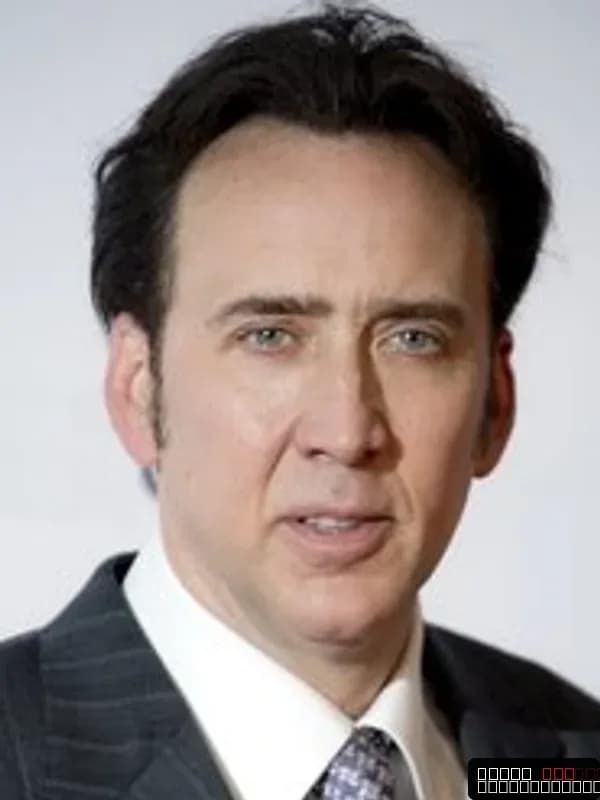
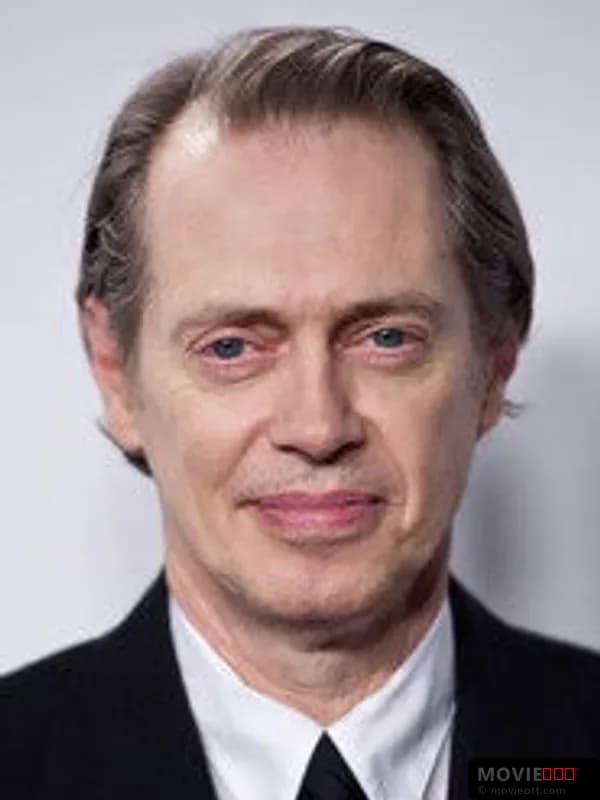
Zandalee arrived in 1991 as part of a wave of erotic thrillers that dominated multiplexes throughout the late 1980s and early '90s. The film was directed by Sam Pillsbury and based on Émile Zola's 1867 novel and subsequent 1873 play Thérèse Raquin—a source material that carries real literary weight, even if the film doesn't always honor it. The screenplay came from Mari Kornhauser, who adapted Zola's 19th-century exploration of passion and morality into a contemporary setting. The cast assembled was genuinely notable: Nicolas Cage, fresh off his Oscar win for Leaving Las Vegas, starred alongside Judge Reinhold as Thierry, with Erika Anderson as the titular Zandalee. The supporting ensemble included Aaron Neville, Joe Pantoliano, and a young Steve Buscemi—names that suggest Electric Pictures, the production company, had resources and ambition. What's striking is how the film positions itself at the intersection of prestige adaptation and genre entertainment, which isn't always a stable place to land. The runtime clocked in at 100 minutes, lean enough to maintain momentum through its sensual set pieces and interpersonal drama. Box office returns were modest, and the film never became the cultural talking point some erotic thrillers of the era managed to achieve, but it's remained a curious artifact—the kind of movie film buffs stumble across and wonder why it's not discussed more often.
What makes Zandalee stand out: performance, tension, and uncompromising storytelling
Honestly, what's most interesting about Zandalee isn't whether it "works" as cinema—critics were mixed, and the IMDb rating of 4.36/10 tells you plenty of people found it wanting. What matters is that it commits fully to its premise without hedging or winking at the audience. Cage brings a coiled intensity to Johnny, playing him as someone whose charm is genuinely inseparable from his pathology. He's not a villain in any traditional sense; he's just a man who wants what he wants and doesn't bother with the courtesy of restraint. Judge Reinhold, by contrast, embodies the quiet desperation of Thierry—a man who's lost himself so thoroughly in the machinery of adult responsibility that he can barely recognize his own wife. The thing nobody mentions is that Erika Anderson carries the entire film on her shoulders. She's the one who has to navigate being both the object of desire and the subject of her own story, which is a nearly impossible needle to thread in material like this. The tension doesn't come from plot mechanics—you know where this is headed—but from watching these three people orbit each other with increasing velocity until collision becomes inevitable. It's not a subtle film, and it's not trying to be.
Where to stream Zandalee online
Zandalee is currently available across major OTT services, and if you're curious about tracking down where it's streaming in your region, Movie OTT maintains a comprehensive where-to-watch widget at the top of this page that shows real-time availability across all platforms. Streaming rights for films from this era can shift, especially for titles that occupied the more provocative corners of 1990s cinema, so checking the widget before you settle in is worth the thirty seconds. The film's accessibility has actually improved over the years—it was harder to find on legitimate platforms for a stretch in the 2000s and 2010s, which is probably why it's fallen out of the cultural conversation. Now that it's easier to watch, there's an opportunity to reassess it on its own terms rather than through the lens of critical consensus from three decades ago.
Frequently asked questions
Q: Is Zandalee based on a true story?
No, but it's based on something with real literary pedigree. The film adapts Émile Zola's 1867 novel Thérèse Raquin and its 1873 stage adaptation, transposing the 19th-century French story of passion and murder into a contemporary American setting. The source material is considered a classic of psychological realism, though the film takes its own path.
Q: Who directed Zandalee?
Sam Pillsbury directed the film. He was known for television work and smaller dramatic features, and Zandalee represents one of his more ambitious theatrical releases, though it wasn't a commercial success.
Q: What's the runtime of Zandalee?
The film runs 100 minutes, which gives it enough breathing room to develop its central love triangle without overstaying its welcome or rushing through the emotional stakes.
Q: Why is Zandalee rated so low on IMDb?
The film's 4.36/10 rating reflects a disconnect between its genre ambitions and critical expectations. Some viewers found the erotic content gratuitous rather than purposeful, while others felt the plot was predictable or the performances uneven. Taste in '90s erotic thrillers varies wildly depending on what you're looking for.
Q: Where can I watch Zandalee right now?
Check the where-to-watch widget at the top of this page for current streaming availability in your region. The film cycles across different platforms, so real-time checking is your best bet.
Final thoughts on Zandalee
Zandalee isn't a perfect film—far from it. But it's a film that knows what it is and doesn't apologize for it. It's ambitious in its source material, uncompromising in its sensuality, and genuinely interested in the psychology of desire and betrayal rather than just the mechanics of plot. If you're in the mood for a 1991 erotic thriller that doesn't treat its audience like children, and you're curious about what Nicolas Cage was doing in the margins of his early career, it's worth ninety-nine minutes of your time. Don't expect high art, but do expect commitment.