




The Story of Zubeidaa: Ambition, Marriage, and Tragedy
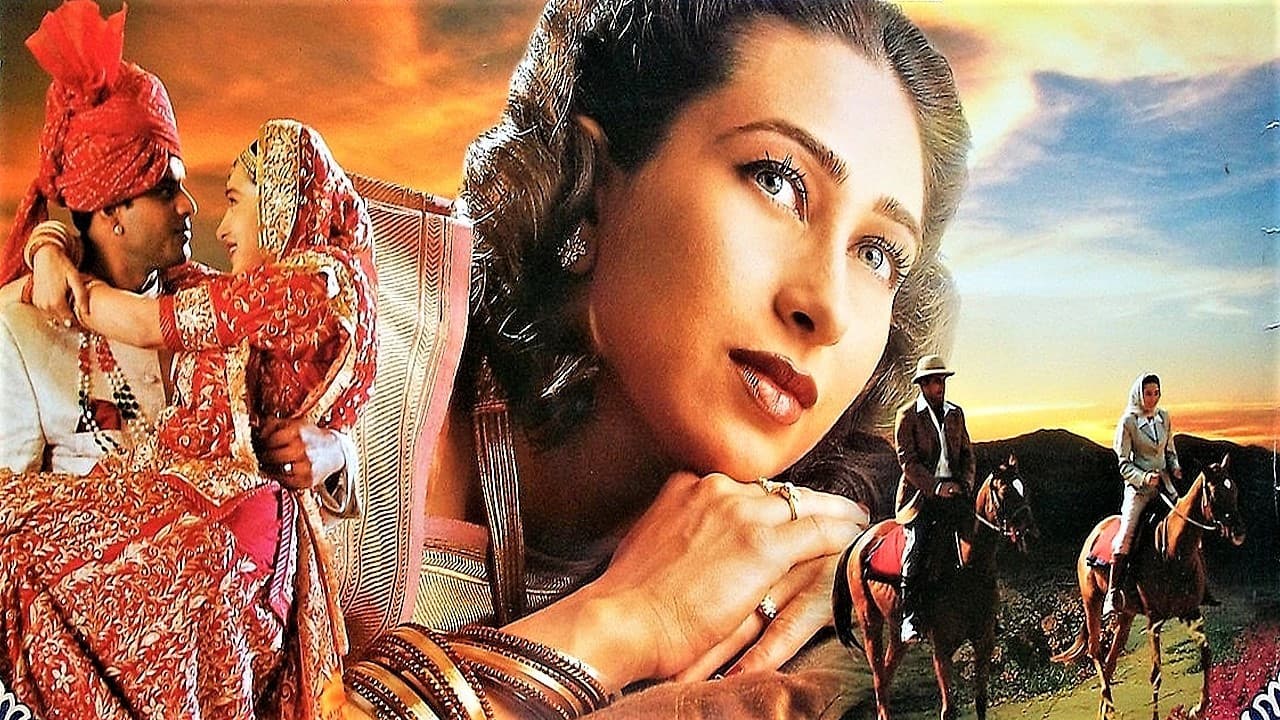
Zubeidaa tells the story of an aspiring Muslim actress who takes a dramatic leap into a new life when she marries a Hindu prince—not as his first wife, but as his second. It's a setup that immediately signals conflict. The film doesn't shy away from the tension baked into this union: religious difference, class friction, the loaded history of India's communal landscape, and the simple, brutal fact that she's entering a household where another woman already holds the primary claim to the prince's affection and loyalty. What unfolds is a portrait of a relationship corroded by jealousy, misunderstanding, and the weight of impossible expectations. The narrative moves toward a conclusion that's meant to be tragic, though the path there is where the real drama lives—in stolen moments, bitter arguments, and the slow erosion of hope.
Behind the Making of Zubeidaa: A Prestige Production with Star Power
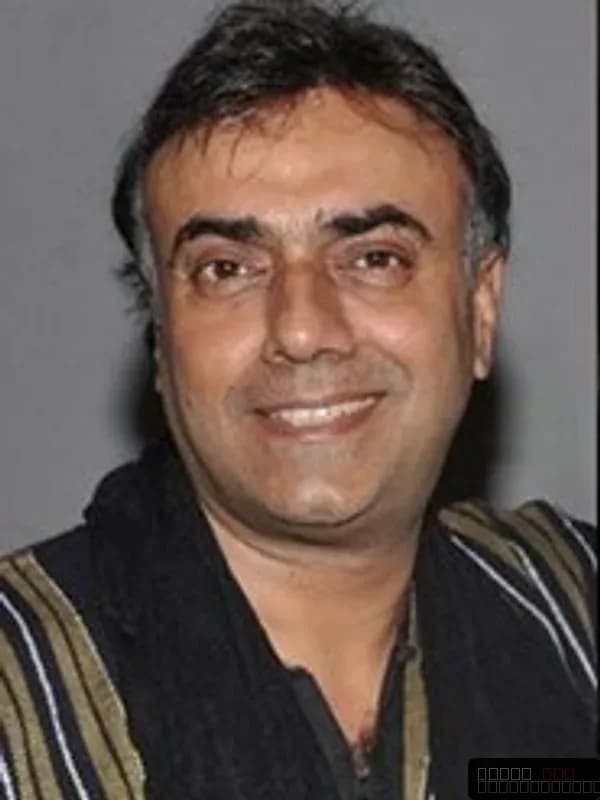
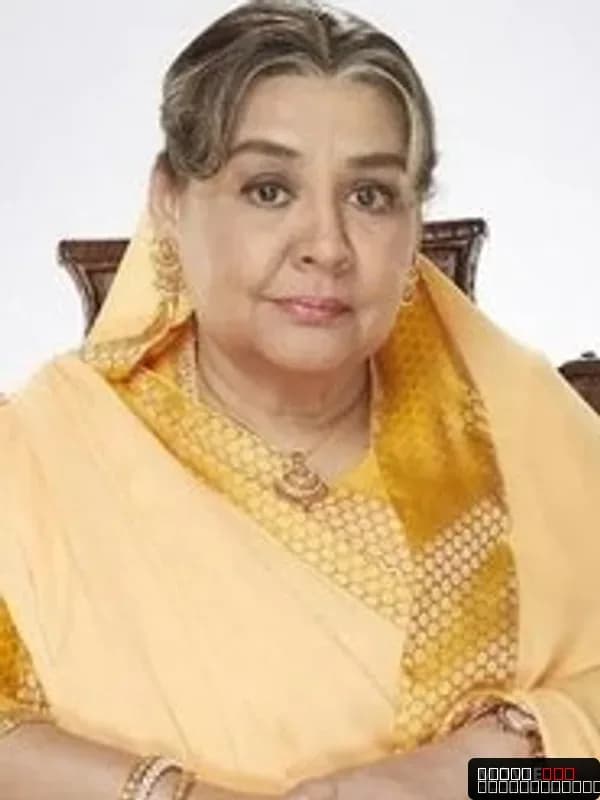
Zubeidaa emerged from the collaboration of veteran director Shyam Benegal and writer Khalid Mohammed, two names with serious pedigree in Indian cinema. Benegal, known for his nuanced historical dramas and social commentaries, brought a measured, literary sensibility to the material. The film boasted an ensemble cast that read like a who's who of Hindi cinema: Karisma Kapoor in the title role, the legendary Rekha as the first wife, Manoj Bajpayee as the prince, and supporting turns from Surekha Sikri, Amrish Puri, and Farida Jalal—actors with decades of craft behind them. A.R. Rahman, already a household name after Roja and Bombay, composed the background score and soundtrack, lending the film a musical sophistication that was meant to elevate its emotional register. The production itself—handled by Shyam Benegal Sahayadri Films and F.K.R. Productions—carried the weight of serious artistic intent, even if the final product would prove divisive among critics and audiences. Released in 2001, the film arrived during a period when Bollywood was experimenting with more ambitious, character-driven narratives alongside its commercial fare.
What Makes Zubeidaa Stand Out: Performance and Craft Over Plot
What's striking about Zubeidaa, honestly, is how much it relies on performance rather than plot momentum to hold your attention. Karisma Kapoor carries the film with a vulnerability that doesn't always come naturally to her screen persona—there's a rawness here, a willingness to play a woman caught between desire and desperation that feels genuine. Rekha, playing the first wife, brings a different kind of power: the quiet authority of someone who knows her position is secure, who can afford to be magnanimous or cutting depending on the scene. The tension between these two women isn't reducible to simple jealousy; it's about legitimacy, about who gets to claim a man's devotion and why. Manoj Bajpayee's prince is caught in the middle—not entirely sympathetic, not entirely villainous, just a man who wants what he wants without fully reckoning with the consequences for the women around him. The thing nobody mentions is how much Rahman's score does the emotional heavy lifting that the dialogue sometimes can't quite manage. There are moments when the music swells and you feel the gap between what these characters are saying and what they're actually feeling—and that gap is where the real story lives. A 150-minute runtime is long, and the pacing can drag; the film doesn't always justify its length. But when it works, when the performances and the music align, it's genuinely moving.
Where to Stream Zubeidaa Online
Zubeidaa is currently available across major OTT platforms in India and internationally, depending on your region. To find the exact service where it's streaming right now, check the "Where to Watch" widget at the top of this page—it'll show you every platform currently carrying the title and whether you need a subscription, rental, or purchase to access it. Movie OTT tracks availability across Netflix, Prime Video, and other major services, so you don't have to hunt across five different apps to figure out where to watch. Since streaming rights shift frequently, that widget is your most reliable source for real-time information. If you're planning to watch, that's your first stop.
Frequently Asked Questions
Q: Who directed Zubeidaa and who wrote it?
Shyam Benegal directed the film, with a screenplay by Khalid Mohammed. Benegal is known for his thoughtful, character-driven approach to historical and social dramas, and that sensibility shapes the entire film.
Q: Is Zubeidaa based on a true story?
The film is a fictional drama, not based on a specific historical event, though it draws on historical tensions and social dynamics that were real in India. It's an invented narrative exploring themes of communal difference, marriage, and ambition.
Q: Who stars in Zubeidaa?
The cast includes Karisma Kapoor in the title role, Rekha as the first wife, Manoj Bajpayee as the prince, and supporting performances from Surekha Sikri, Amrish Puri, Lillete Dubey, Rajit Kapoor, Farida Jalal, and Shakti Kapoor. A.R. Rahman composed the score.
Q: How long is Zubeidaa?
The film runs 150 minutes (two hours and thirty minutes), which is substantial but not unusual for prestige Indian dramas of that era.
Q: What's the IMDb rating for Zubeidaa?
Zubeidaa holds a 5.2 out of 10 on IMDb, suggesting mixed reception—some viewers found it compelling and nuanced, while others felt it didn't quite land emotionally or narratively.
Final Thoughts on Zubeidaa
Zubeidaa is a film that asks you to sit with discomfort and moral ambiguity rather than offering easy answers. It's not a perfect movie—the pacing can feel sluggish, and the ending, while tragic, doesn't always feel earned. But it's a serious work by serious filmmakers trying to say something about love, identity, and the impossibility of escaping the social structures we're born into. If you're drawn to character studies, if you appreciate A.R. Rahman's work, or if you're interested in how Hindi cinema tackled communal tensions in the early 2000s, it's worth your time. Don't expect a crowd-pleaser—expect something more thoughtful, and sometimes more frustrating, than that.