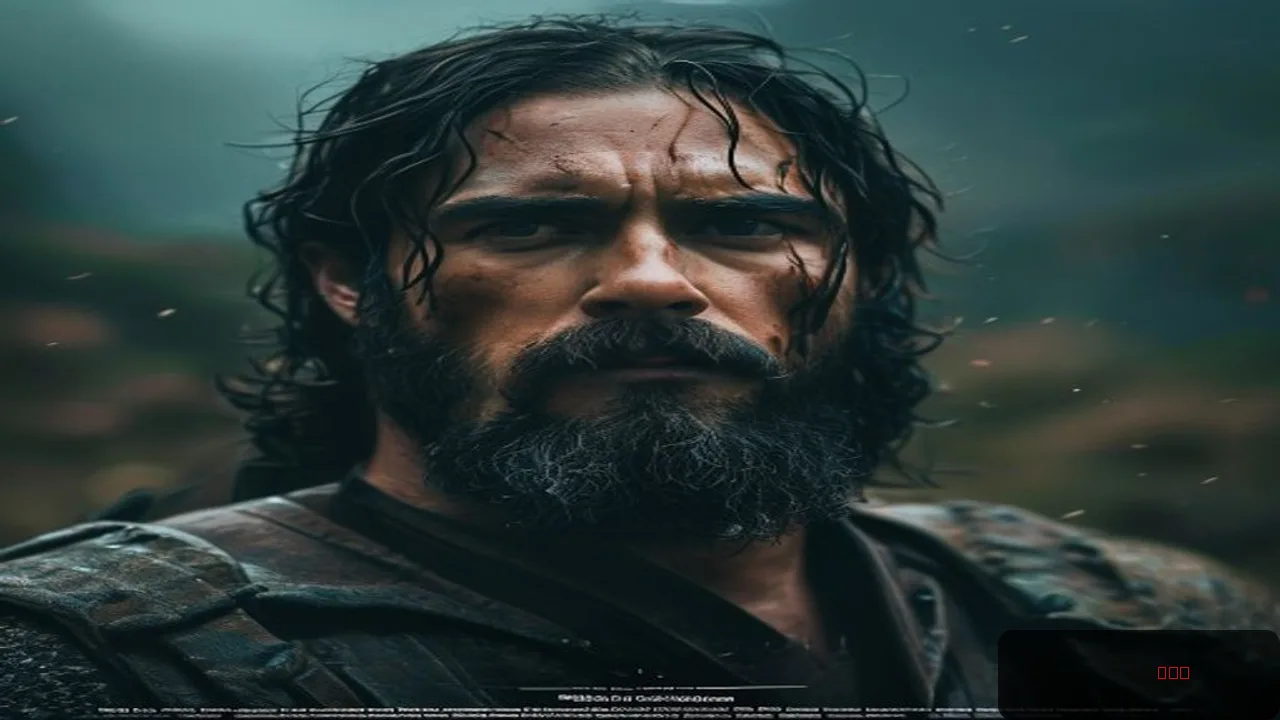
Jason Momoa's Conan the Barbarian Deserves a Second Look in 2026
TL;DR: The 2011 Conan the Barbarian remake starring Jason Momoa lost $26 million at the box office but holds up as a legitimately well-crafted sword-and-sorcery film. It's now streaming and worth your time — especially if you care about action choreography or practical effects work.
A $90 million fantasy film flopped in 2011, and streaming just gave it a second life.
The numbers alone tell a brutal story. Marcus Nispel's Conan the Barbarian (2011) pulled just $64 million globally against a $90 million production budget, per Box Office Mojo — a net theatrical loss before marketing spend, which typically runs another 50-100% of production costs on a wide studio release. Lionsgate effectively buried it. Critics were unkind. Audiences didn't show up. And yet here we are in 2026, with the film quietly finding a new audience on streaming platforms and a growing critical consensus that the industry got this one badly wrong. The bigger question isn't whether it was underrated. It's what the failure actually cost — and whether the sword-and-sorcery genre can afford to keep misreading its own market.
What the Numbers Actually Say About the 2011 Conan Remake
Runtime: 113 minutes. Release date: August 17, 2011. Director: Marcus Nispel. Lead: Jason Momoa.
The film was produced by Millennium Films and distributed by Lionsgate, with a production budget confirmed at $90 million. Its global theatrical gross of $64 million left a gap that no home video or early streaming revenue could realistically close in the short term. For context, that's a similar budget to the original Clash of the Titans (2010), which earned $493 million worldwide on a $125 million spend. The market for fantasy action existed. Conan just couldn't access it.
Key production details at a glance:
- Director: Marcus Nispel (The Texas Chainsaw Massacre, 2003; Friday the 13th, 2009)
- Lead cast: Jason Momoa (Conan), Stephen Lang (Khalar Zym), Rose McGowan (Marique), Rachel Nichols (Tamara)
- Studio/distributor: Millennium Films / Lionsgate
- Production budget: $90 million (per Box Office Mojo)
- Worldwide gross: $64 million
- Runtime: 113 minutes
- Rating: R
- Filmed in: Bulgaria (primarily)
- Second unit director / stunt coordinator: David Leitch
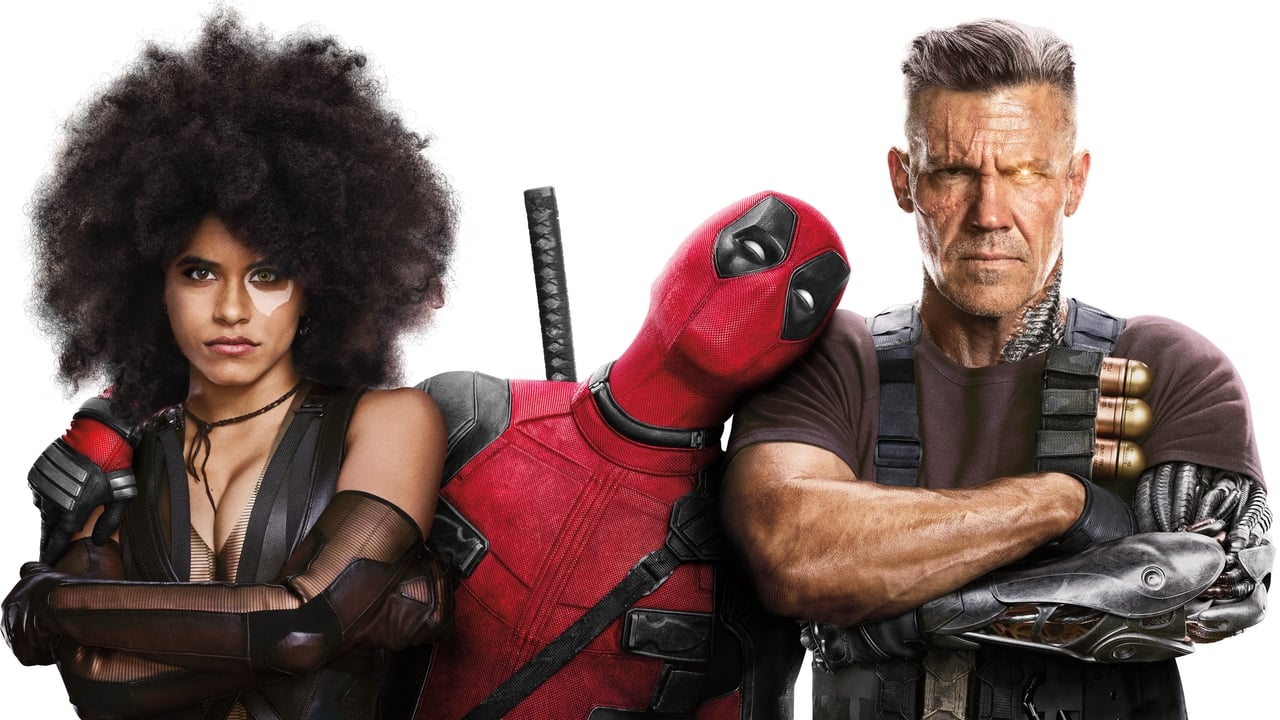
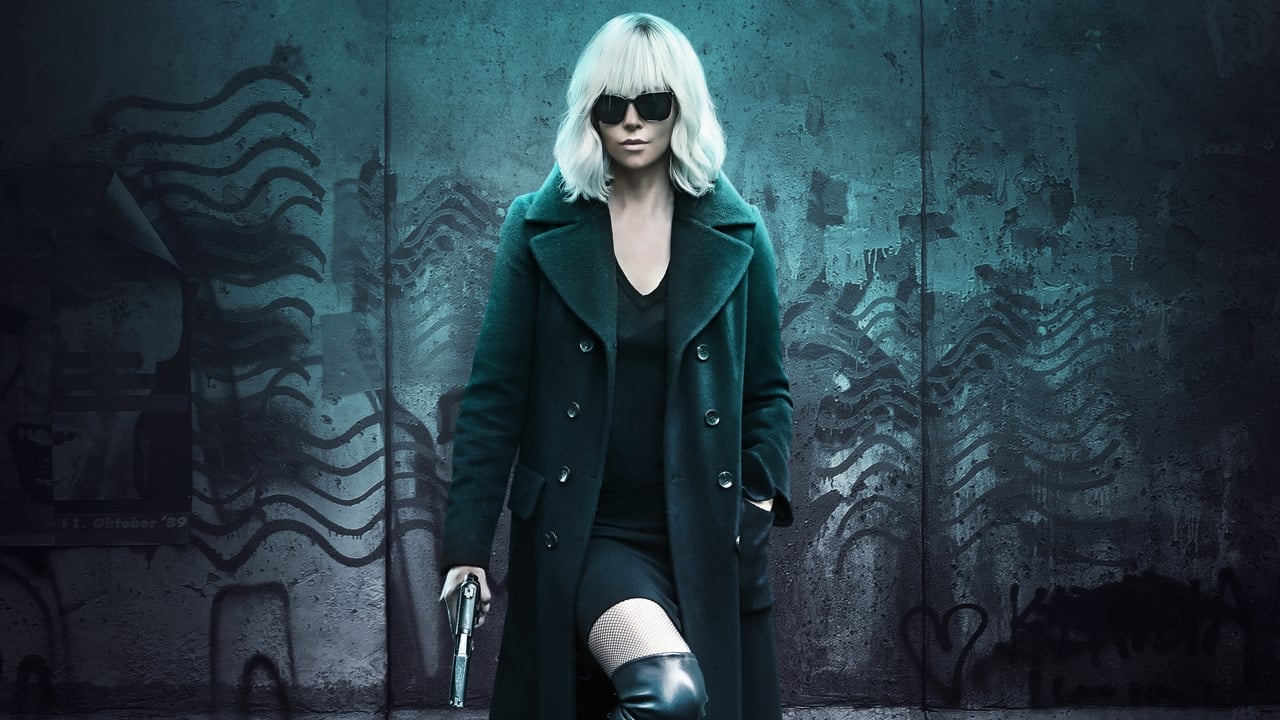
That last credit is the one most analysts missed in 2011. David Leitch — who would later co-direct John Wick (2014) and go on to helm Atomic Blonde, Deadpool 2, and Bullet Train — was responsible for the action choreography and second unit direction on this film. You can see it in every fight sequence.
Why the Action Holds Up Better Than Most 2011 Blockbusters
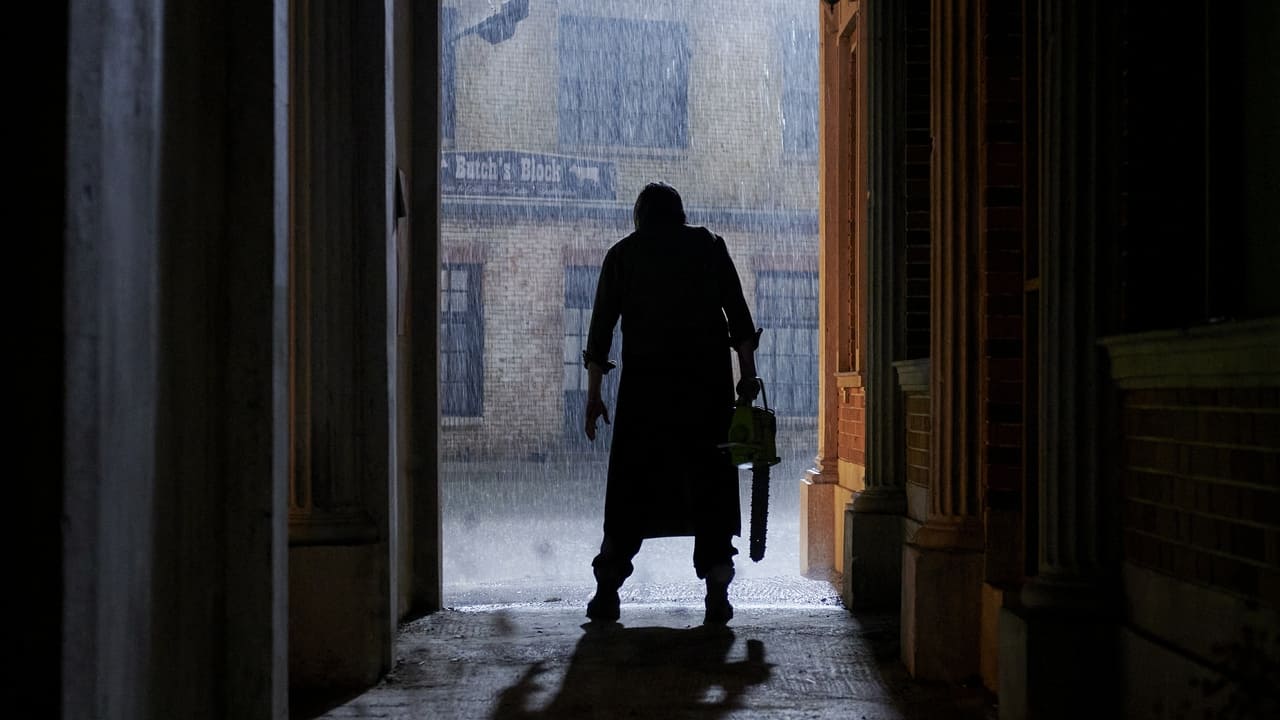
Nispel's directorial instincts are not subtle. He made his name with the 2003 Texas Chainsaw Massacre remake, a film that critics also underestimated and which earned $107 million on a $9.5 million budget (one of the better ROIs in horror remake history). His visual language is physical, tactile, and uninterested in digital polish for its own sake.
Conan the Barbarian (2011) reflects that. Every cent of the $90 million budget appears on screen in practical set construction — a razed village, an enormous land ship carried by elephants, carved stone interiors that feel inhabited rather than rendered. Nispel's eye for spatial geography in fight sequences means you always know where bodies are relative to each other, which sounds basic but is genuinely rare in modern action filmmaking. The Leitch influence is legible here: clean sightlines, weight in every impact, no cut-every-two-seconds editing panic.
Most coverage frames this film's failure as a casting or marketing problem; the more interesting question is whether Lionsgate ever understood what they had. This wasn't a tentpole miss — it was a mid-budget action film priced and positioned like a franchise launcher, competing against Rise of the Planet of the Apes in its third week and Fright Night in the same opening frame. That August 19, 2011 corridor was a death slot. Conan opened at $10 million domestic, fifth place, behind a Colin Farrell vampire movie. The product wasn't the problem. The P&L assumptions were.
Honestly, some of the wide establishing shots in the Bulgarian locations approach the visual scale Peter Jackson achieved in the Lord of the Rings trilogy — not in budget or ambition, but in the specific fantasy-illustration quality of light hitting stone and landscape.
The Franchise History Nobody Remembers Correctly
Robert E. Howard created Conan the Barbarian in 1932 for Weird Tales magazine. The character is a Cimmerian warrior in a pre-historical world called the Hyborian Age — essentially a vehicle for pulp adventure, moral ambiguity, and Howard's idiosyncratic take on civilization vs. barbarism.
The 1982 John Milius film starring Arnold Schwarzenegger is the cultural reference point most audiences carry. That version drew heavily from Frank Frazetta's iconic painted illustrations of the character — massively muscled, almost mythological in scale. Schwarzenegger's physical presence was perfectly calibrated to that interpretation. The film earned $68.8 million domestically on a $20 million budget, per Box Office Mojo, and spawned a 1984 sequel, Conan the Destroyer. Adjusted for inflation, that $68.8 million translates to roughly $220 million in 2024 dollars — a genuine hit by any standard, and the kind of number that turns a character into a generational brand rather than a one-off.
Nispel's 2011 version took a different source approach, pulling closer to Howard's original prose description of Conan: leaner, faster, more cunning. Momoa fits that template. He has the dark hair, the build (substantial but athletic rather than bodybuilder-massive), and — this matters — the wit. Howard's Conan was never dumb. He was a strategist who happened to be extraordinary at violence.
The supporting cast swings hard. Stephen Lang's villain Khalar Zym is operatic in the best way. Rose McGowan's sorceress Marique, with her gold talon-nails and alien makeup, is genuinely unsettling — the kind of committed villain performance that a franchise film rarely gets. (One critic at the time argued she deserved both an Oscar and a Razzie for the same role. That's not entirely wrong.)
You can track the full Conan franchise history and streaming availability on Movie OTT's where-to-watch tracker, which aggregates platform data across regions.
What Jason Momoa Said About the Film — and Why It Matters
The performance is excellent. The actor hated the result.
Years after the film's release, Momoa gave an interview to British GQ in which he dropped any diplomatic framing about the production. "I've been a part of a lot of things that really sucked, and movies where it's out of your hands," he said. "Conan was one of them. It's one of the best experiences I had and it [was] taken over and turned into a big pile of shit."
That's a specific kind of creative frustration — not "the film didn't work," but "the film was working and then stopped being allowed to work." Studio interference on a $90 million production is not unusual, but it's worth noting that Momoa's performance doesn't show the seams of a compromised production. Whatever got cut, reedited, or overridden, what remains on screen is a fully committed physical and emotional portrayal of the character.
For what it's worth, Collider's reappraisal of the film in 2026 argues Momoa's casting "was a real coup for a creative team looking to honor both the appearance and spirit of Howard's original creation" — a point that's easier to see now that Momoa has spent a decade building one of Hollywood's most bankable action-star profiles through Aquaman and beyond.
How Conan 2011 Lands for Indian Streaming Audiences
This is where the data gets interesting for the Indian market specifically.
Conan the Barbarian (2011) is currently available on streaming in India, though platform availability shifts. As of this writing, Movie OTT tracks its current Indian streaming home — checking there before subscribing to a platform for a single title is the practical move, since licensing windows on a 15-year-old Lionsgate title can move between services.
For Indian audiences, the sword-and-sorcery genre has a specific appeal that overlaps with the mythology-heavy content that performs strongly on platforms like Disney+ Hotstar and Amazon Prime Video India. The Baahubali franchise demonstrated that Indian audiences have enormous appetite for large-scale fantasy action with practical stunt work and villain characters who commit fully to theatricality — which describes Conan 2011 fairly precisely. For Indian subscribers, the more relevant comp isn't the 1982 Schwarzenegger original — it's Kalki 2898 AD (2024), which proved on a ₹600 crore production budget that Indian audiences will pay premium prices for mythology-infused action spectacle with global VFX standards, and which crossed ₹1,000 crore worldwide. The appetite is there. The genre isn't dead; it just needs the right distribution math.
Hindi and regional language dubs are available on some platforms for this title, though availability varies by service. The R-rating means this skews toward adult OTT consumption rather than family viewing. Runtime of 113 minutes is well within the sweet spot for a single evening watch.
For Indian subscribers deciding between platforms, here's the practical checklist:
- Verify current availability via Movie OTT's India tracker before purchasing a rental
- Check for Hindi dub availability on your specific platform version
- The film is rated R (equivalent to an A certificate in India) — not suitable for children
- Runtime: 113 minutes, no sequel currently in production
The thing nobody mentions in most streaming coverage is that films like this one — mid-budget, R-rated, practical-effects-heavy — actually perform better on OTT than they ever did theatrically in markets like India, where the theatrical window historically favored either Bollywood or massive Hollywood tentpoles.
What to Watch for Next: Franchise Status and Streaming Windows
The Conan IP is not dormant. Arnold Schwarzenegger confirmed in early 2026 (reported by multiple outlets) a return for a long-awaited action fantasy sequel, which keeps the property in the cultural conversation. Whether that project reignites interest in the 2011 version or further buries it under nostalgia for the 1982 original is an open question.
From a streaming business standpoint, the 2011 film is a low-cost catalog title that platforms can use to fill genre libraries. Its reappraisal moment — driven partly by David Leitch's current profile as one of Hollywood's premier action directors — gives it algorithmic tailwind on services that surface "hidden gem" content.
Hard to say if a third Conan film ever gets made. The IP has been in various stages of development for a decade. But the 2011 version's streaming resurgence at least proves there's an audience that the theatrical release never reached.
The Verdict on Watching Conan the Barbarian (2011) Right Now
Watch it. Not because it's perfect — it isn't. The third act loses some momentum, and certain CGI sequences (the sand warriors, specifically) show their 2011 vintage clearly. But as a delivery mechanism for exactly what it promises — an R-rated, physically committed, practically constructed sword-and-sorcery action film with a charismatic lead and genuinely great villain work — it delivers at a level that most of its contemporaries didn't.
The editorial take here: the industry's habit of writing off box-office failures as creative failures costs the genre real ground. Conan (2011) lost money because of marketing failures, release timing, and the impossible weight of Schwarzenegger nostalgia — not because Momoa or Nispel or Leitch failed to do their jobs. Treating the gross as a verdict on the film's quality is exactly the kind of analysis that keeps studios risk-averse and keeps good action films underfunded.
For current streaming availability across Netflix, Prime Video, Hotstar, and regional platforms, Movie OTT has the most current regional picture. The 113 minutes are worth your evening.