Filmmaker
Alberto Mariscal
1 film on Movie OTT · 1 as director
Alberto Mariscal emerged as a working director in Mexican and Latin American cinema during the 1980s, a period when the region's film industries were navigating economic pressures and shifting audience tastes. His directorial work, including the 1989 film El loco Bronco, positioned him within a tradition of action and genre filmmaking that prioritized narrative momentum and visual storytelling over art-house aesthetics. What's striking about Mariscal's approach is his willingness to work within commercial constraints rather than against them. He didn't chase prestige; he made films that moved, that held an audience's attention across ninety minutes. Born in Chicago in 1926, Mariscal's career trajectory took him into Spanish-language production, where he'd establish himself as a reliable helmsman for projects demanding both technical competence and an instinct for pacing.
About Alberto Mariscal
Alberto Mariscal emerged as a working director in Mexican and Latin American cinema during the 1980s, a period when the region's film industries were navigating economic pressures and shifting audience tastes. His directorial work, including the 1989 film El loco Bronco, positioned him within a tradition of action and genre filmmaking that prioritized narrative momentum and visual storytelling over art-house aesthetics. What's striking about Mariscal's approach is his willingness to work within commercial constraints rather than against them. He didn't chase prestige; he made films that moved, that held an audience's attention across ninety minutes. Born in Chicago in 1926, Mariscal's career trajectory took him into Spanish-language production, where he'd establish himself as a reliable helmsman for projects demanding both technical competence and an instinct for pacing.
El loco Bronco stands as his most documented feature credit. The film exemplifies a particular strain of 1980s action cinema — economical, direct, built on the assumption that viewers wanted spectacle without pretense. Mariscal's direction doesn't announce itself; it gets out of the way. That's not a limitation. It's a choice. The economy of his visual language, the speed at which he moves through scenes, the trust he places in his actors to carry emotional weight without excessive coverage — these are hallmarks of a craftsman who understood his audience and his budget simultaneously.
The architecture of Mariscal's working method remains difficult to reconstruct from available records. He didn't develop the kind of auteur reputation that generates interviews and retrospectives. No major collaborators have written about him at length in film journals. He worked, made his pictures, moved on. That absence from critical discourse doesn't diminish the work itself, only our access to understanding how he thought about it. What we can observe from his filmography is a consistent engagement with genre material, a comfort with ensemble casts, and a technical fluency that suggests years of apprenticeship in television or low-budget feature work before his directorial debut.
Mariscal's later career details remain sparse in English-language film databases. The gap between El loco Bronco and contemporary records suggests either a shift away from feature filmmaking, work in television or direct-to-video markets where credits are poorly documented, or a retirement from the industry. Without verified information about projects after 1989, it's impossible to chart the full arc of his professional life. What remains accessible is that single, solid entry point — a film that exists, that can be watched, that demonstrates a director who knew how to construct a narrative and move a camera with purpose.
The absence of major awards or festival recognition in Mariscal's record doesn't disqualify him from serious consideration as a working filmmaker. Commercial cinema, especially in regional film industries, rarely generates the institutional validation that gets preserved in archives. His work belongs to a category of filmmaking that's often invisible to English-language criticism precisely because it succeeded at its intended task: reaching audiences, entertaining them, and disappearing into the flow of entertainment. That kind of invisibility is sometimes a sign not of failure but of craft so transparent it becomes invisible.
Currently streaming
1 of 1 on platforms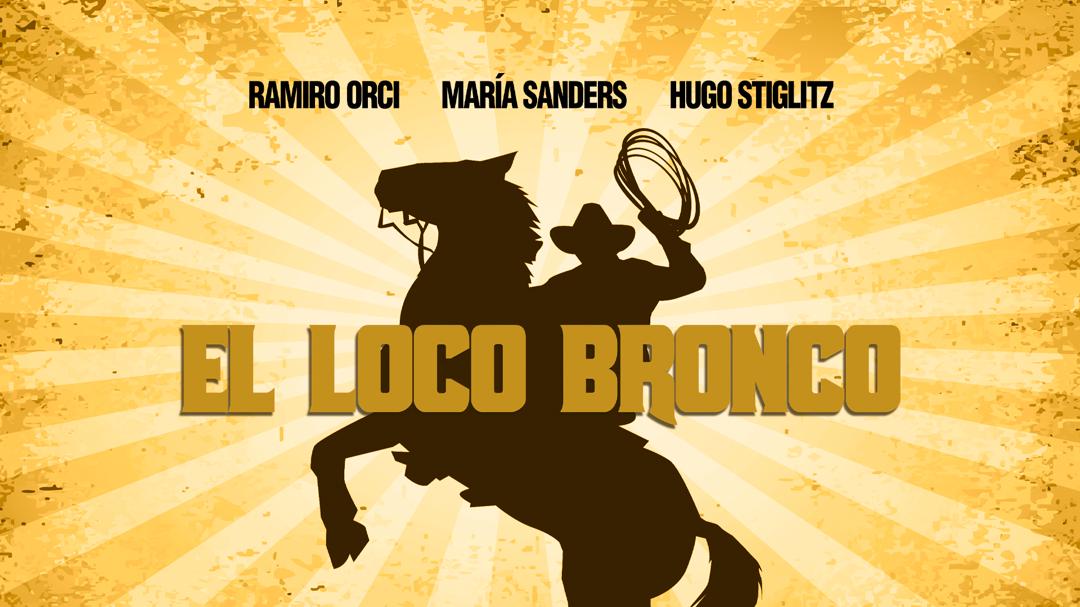
Filmography
Frequently asked questions
When and where was Alberto Mariscal born?
Alberto Mariscal was born 1926-03-10 in Chicago, Illinois, USA.
What films is Alberto Mariscal known for?
Alberto Mariscal has 1 title indexed on Movie OTT, including El loco Bronco.
Where can I watch Alberto Mariscal's films?
1 of Alberto Mariscal's films are currently streaming, available on Prime Video.
Has Alberto Mariscal directed any films?
Yes — Alberto Mariscal has 1 directorial credit indexed on Movie OTT.