Filmmaker
Asif Kapadia
3 films on Movie OTT · 3 as director · Active 2010–2024
Asif Kapadia is a British documentary filmmaker whose work has consistently occupied a space where sport, music, and cultural mythology converge. Born in Hackney, London in 1972, he came up through the British film industry at a time when the documentary form was being reconsidered as serious cinema rather than television filler. Over the course of roughly two decades behind the camera, he has built one of the more distinctive bodies of work in contemporary non-fiction filmmaking, distinguished by a particular method: no talking-head interviews, no on-screen experts, just archival footage and audio testimony laid over images that carry the full emotional weight of the story.
About Asif Kapadia
Asif Kapadia is a British documentary filmmaker whose work has consistently occupied a space where sport, music, and cultural mythology converge. Born in Hackney, London in 1972, he came up through the British film industry at a time when the documentary form was being reconsidered as serious cinema rather than television filler. Over the course of roughly two decades behind the camera, he has built one of the more distinctive bodies of work in contemporary non-fiction filmmaking, distinguished by a particular method: no talking-head interviews, no on-screen experts, just archival footage and audio testimony laid over images that carry the full emotional weight of the story.
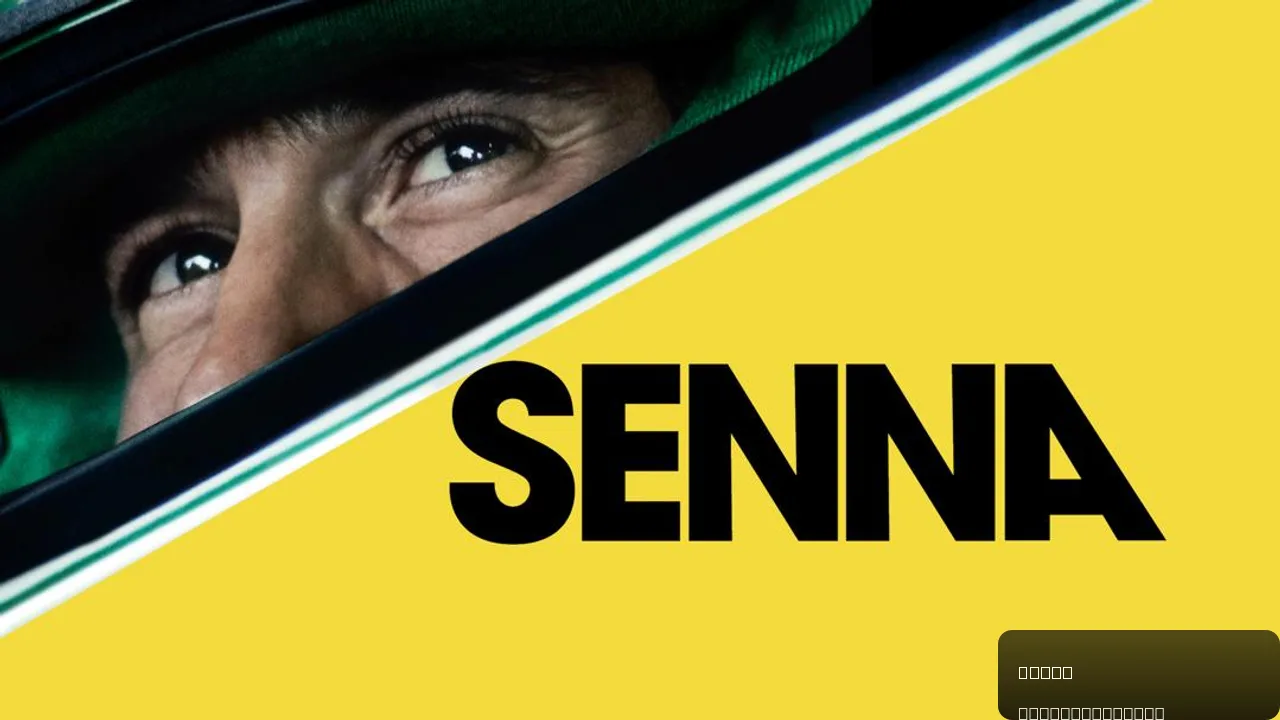
His breakthrough came with Senna, released in 2010, a film about Formula One driver Ayrton Senna that became something of a watershed moment for sports documentaries. What Kapadia achieved with that film was not simply a tribute to a dead racing driver but a genuinely cinematic account of ambition, rivalry, and mortality. The material he and his team assembled — race footage, home video, television broadcasts — was edited into something that functions more like a thriller than a retrospective. Senna won the BAFTA for Best Documentary and performed strongly in theatrical release, which was still an unusual outcome for a documentary at that point. The film demonstrated that audiences would sit in a cinema for a non-fiction work if the craft demanded it, and Kapadia's approach — trusting the archive to do the talking — proved both formally rigorous and emotionally effective.
The method he refined on Senna carried forward into his subsequent work. His 2015 film Amy, about Amy Winehouse, applied the same archival immersion to a story that was both more recent and more contested. Where Senna had the clarity of historical distance, Amy was raw, complicated by the fact that many of its subjects were still alive and some publicly disputed the film's framing. It won the Academy Award for Best Documentary Feature, making Kapadia one of the few British directors to hold that distinction. His 2019 film Diego Maradona returned to the sports world, completing what many observers read as an informal trilogy about extraordinary talent and the cost of fame. Across all three, the recurring preoccupation is visible: what happens to a person when the world decides they are something larger than themselves.
Kapadia has worked with editor Chris King across multiple projects, and that collaboration has been central to the shape of his films. The editing is where his method lives or dies — without conventional interview structure to fall back on, the sequencing of archival material has to carry narrative logic, emotional escalation, and character development simultaneously. His earlier fiction work, including The Warrior from 2001, showed a different register entirely, a visually spare drama set in rural India that won the BAFTA for Outstanding British Film. The range between that debut and Senna suggests a filmmaker who arrived at documentary not by default but by deliberate choice, having already proven he could work in other modes.
Senna remains the film most likely to bring a viewer to Kapadia's page for the first time, and it holds up as the clearest single entry point into his sensibility. It is a film that works on people who have no prior interest in Formula One, which is perhaps the most reliable measure of whether a sports documentary has actually succeeded as cinema. His place in the industry now is that of a filmmaker whose projects carry weight before they are released — a relatively rare position for someone working primarily in documentary. Whatever he turns his attention to next, the expectation is that the archive will be central, and that the subject will be someone who burned at a frequency the world found difficult to look away from.
Currently streaming
2 of 3 on platforms
Filmography
Frequently asked questions
When and where was Asif Kapadia born?
Asif Kapadia was born 1972-01-01 in Hackney, London, England, UK.
What films is Asif Kapadia known for?
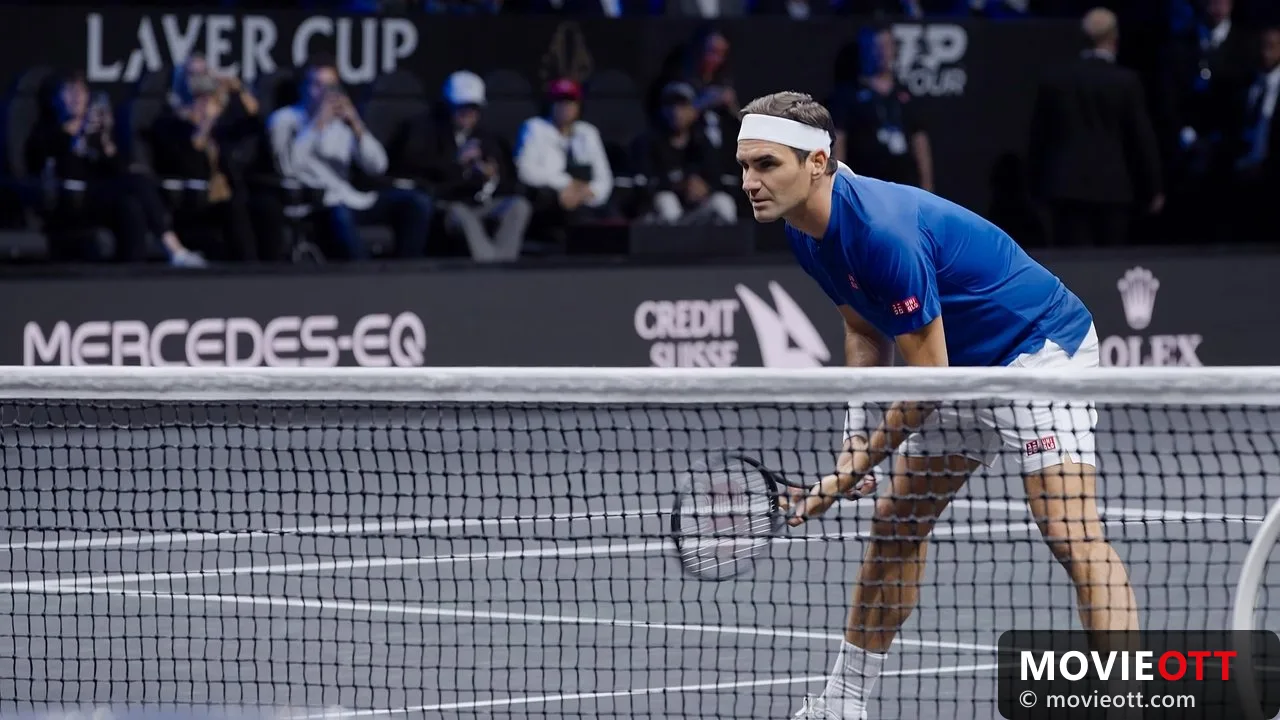
Asif Kapadia has 3 titles indexed on Movie OTT, including Federer: Twelve Final Days, Diego Maradona, Senna.
Where can I watch Asif Kapadia's films?
2 of Asif Kapadia's films are currently streaming, available on Filmin, GEO Television + Wild Amazon Channel, GEO Television Amazon Channel, HBO Max Amazon Channel.
Has Asif Kapadia directed any films?
Yes — Asif Kapadia has 3 directorial credits indexed on Movie OTT.
How long has Asif Kapadia been active?
Asif Kapadia's film career on Movie OTT spans from 2010 to 2024 — 14 years of work.