Filmmaker
Barbet Schroeder
2 films on Movie OTT · 2 as director · Active 1992–2002
Barbet Schroeder is a Swiss-Iranian filmmaker and producer whose career spans more than five decades and resists easy categorization — he's moved between documentary and narrative fiction, between European art cinema and Hollywood genre work, with a consistency of curiosity that most directors don't sustain past their second decade. Born in Tehran on August 26, 1941, Schroeder grew up between cultures and eventually landed in Paris, where he became part of the orbit that produced the French New Wave. He didn't just watch that movement from the sidelines; he was a founding producer at Les Films du Losange, the company he established with Éric Rohmer in 1962, and he helped bring several of Rohmer's early films to audiences before he started directing himself.
About Barbet Schroeder
Barbet Schroeder is a Swiss-Iranian filmmaker and producer whose career spans more than five decades and resists easy categorization — he's moved between documentary and narrative fiction, between European art cinema and Hollywood genre work, with a consistency of curiosity that most directors don't sustain past their second decade. Born in Tehran on August 26, 1941, Schroeder grew up between cultures and eventually landed in Paris, where he became part of the orbit that produced the French New Wave. He didn't just watch that movement from the sidelines; he was a founding producer at Les Films du Losange, the company he established with Éric Rohmer in 1962, and he helped bring several of Rohmer's early films to audiences before he started directing himself.
What's striking is how Schroeder's producing instincts shaped him as a director — he's always seemed more interested in the texture of a subject than in conventional dramatic payoff. His documentary work from the 1970s is where this becomes most visible. The Idi Amin portrait General Idi Amin Dada: A Self Portrait (1974) is the film that genuinely unsettled critics and audiences at the time, and it still does. Schroeder gave Amin access and camera time with minimal editorial interference, letting the dictator essentially conduct his own propaganda — except the result reads as something far more disturbing than propaganda, a kind of accidental self-exposure. The film didn't editorialize. It didn't need to.
Through the 1980s and into the 1990s, Schroeder shifted toward American productions without abandoning the psychological edge that defined his earlier work. Barfly (1987), written by Charles Bukowski and starring Mickey Rourke and Faye Dunaway, drew on years of Schroeder's relationship with Bukowski — he'd reportedly pursued the project for years, at one point threatening to cut off his own finger to pressure the studio (a story that sounds apocryphal but has been repeated enough times that it's entered film lore). Reversal of Fortune (1990) earned Jeremy Irons an Academy Award for Best Actor and showed Schroeder could work inside the prestige-film machinery without losing his instinct for moral ambiguity. He doesn't let audiences settle into comfortable judgments. That's the through-line.
His collaborations across this period ranged from Bukowski's raw autobiographical material to the legal and psychological terrain of true crime — genres that share more DNA than they might appear to. Murder by Numbers (2002) fits squarely in that later mode: a procedural thriller starring Sandra Bullock and Ryan Gosling that uses the framework of a cold, intellectually motivated killing to examine control, manipulation, and the performance of superiority. It's not a film that gets discussed as much as it probably should, partly because it arrived during a period when Schroeder's Hollywood output was being measured against the high-water marks of Reversal of Fortune. Hard to say if that's entirely fair — Murder by Numbers works as a taut, unsentimental genre piece, and Gosling's performance as a calculating teenager is worth revisiting now that his career has gone where it has.
Schroeder has continued working in documentary and fiction across the 2000s and 2010s, returning periodically to the kind of portrait filmmaking that made his reputation. His range — from Rohmer's producer to Bukowski's collaborator to a Hollywood thriller director — doesn't resolve into a single brand, which may be why he occupies a slightly awkward place in film history. Not quite the auteur canon, not quite a genre craftsman. Something in between, which is probably exactly where he's always wanted to be.
Currently streaming
2 of 2 on platforms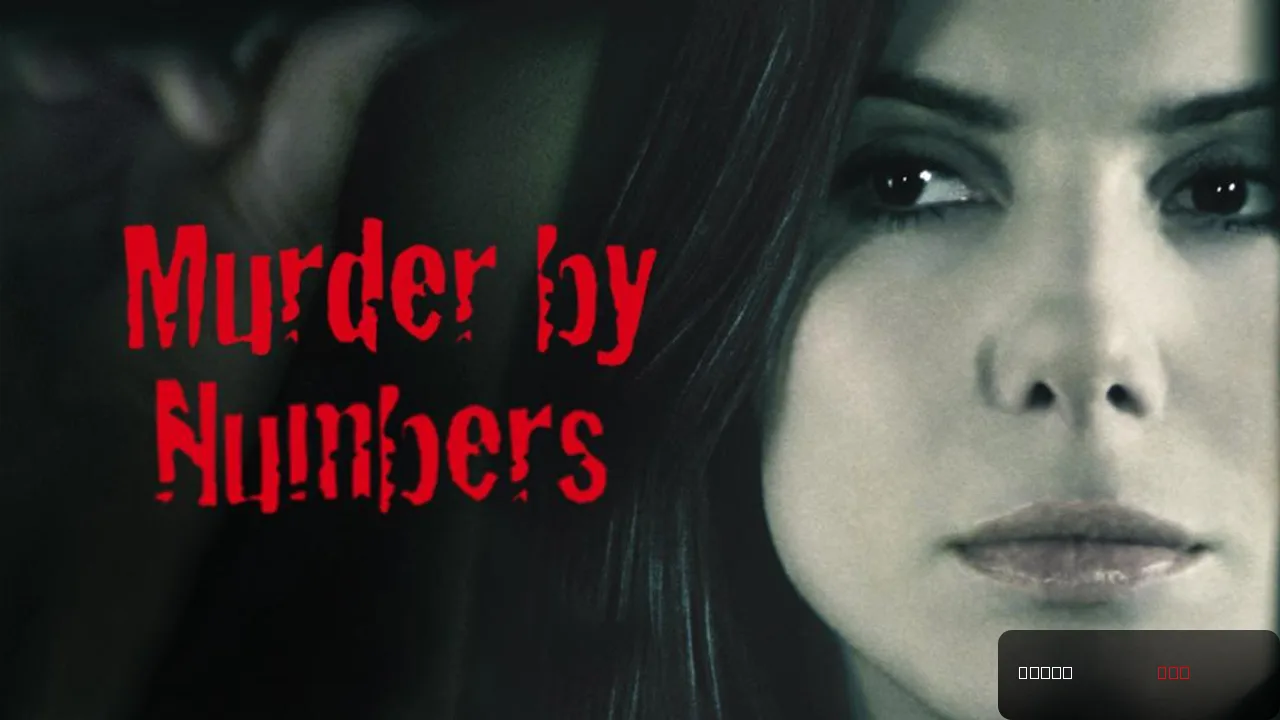

Filmography
Frequently asked questions
When and where was Barbet Schroeder born?
Barbet Schroeder was born 1941-08-26 in Tehran, Iran.
What films is Barbet Schroeder known for?
Barbet Schroeder has 2 titles indexed on Movie OTT, including Murder by Numbers, Single White Female.
Where can I watch Barbet Schroeder's films?
2 of Barbet Schroeder's films are currently streaming, available on HBO Max Amazon Channel, Netflix, Now TV Cinema, Sky Go.
Has Barbet Schroeder directed any films?
Yes — Barbet Schroeder has 2 directorial credits indexed on Movie OTT.
How long has Barbet Schroeder been active?
Barbet Schroeder's film career on Movie OTT spans from 1992 to 2002 — 10 years of work.