Actor
Bill Irwin
6 films on Movie OTT · Active 1991–2024
Bill Irwin was born on April 11, 1950, in Santa Monica, California, and built one of the more unusual careers in American performance — one that began not in film or television but in the physical, rule-bending world of new vaudeville and experimental theater. Trained at the Ringling Bros. and Barnum & Bailey Clown College and later at the Oberlin College theater program, Irwin developed a performance vocabulary rooted in clowning, mime, and precise physical comedy long before Hollywood took notice. That foundation never left him. Even as his screen work accumulated, the body remained his primary instrument, capable of conveying confusion, grief, or absurdity with a kind of muscular specificity that most conventionally trained actors cannot replicate.
About Bill Irwin
Bill Irwin was born on April 11, 1950, in Santa Monica, California, and built one of the more unusual careers in American performance — one that began not in film or television but in the physical, rule-bending world of new vaudeville and experimental theater. Trained at the Ringling Bros. and Barnum & Bailey Clown College and later at the Oberlin College theater program, Irwin developed a performance vocabulary rooted in clowning, mime, and precise physical comedy long before Hollywood took notice. That foundation never left him. Even as his screen work accumulated, the body remained his primary instrument, capable of conveying confusion, grief, or absurdity with a kind of muscular specificity that most conventionally trained actors cannot replicate.
His stage work established him as a serious presence before film did. Irwin earned a MacArthur Fellowship in 1984 — the so-called "genius grant" — for his contributions to physical theater, a distinction that placed him in rarefied company and signaled that critics and institutions understood his work as something more than novelty. Broadway productions, including his own devised pieces and later his acclaimed turn in Edward Albee's Who's Afraid of Virginia Woolf alongside Kathleen Turner and David Suchet, demonstrated that the clown training could coexist with dramatic weight. He was not a comedian who occasionally did straight parts. He was a complete stage actor who happened to have an extraordinary relationship with physical comedy.
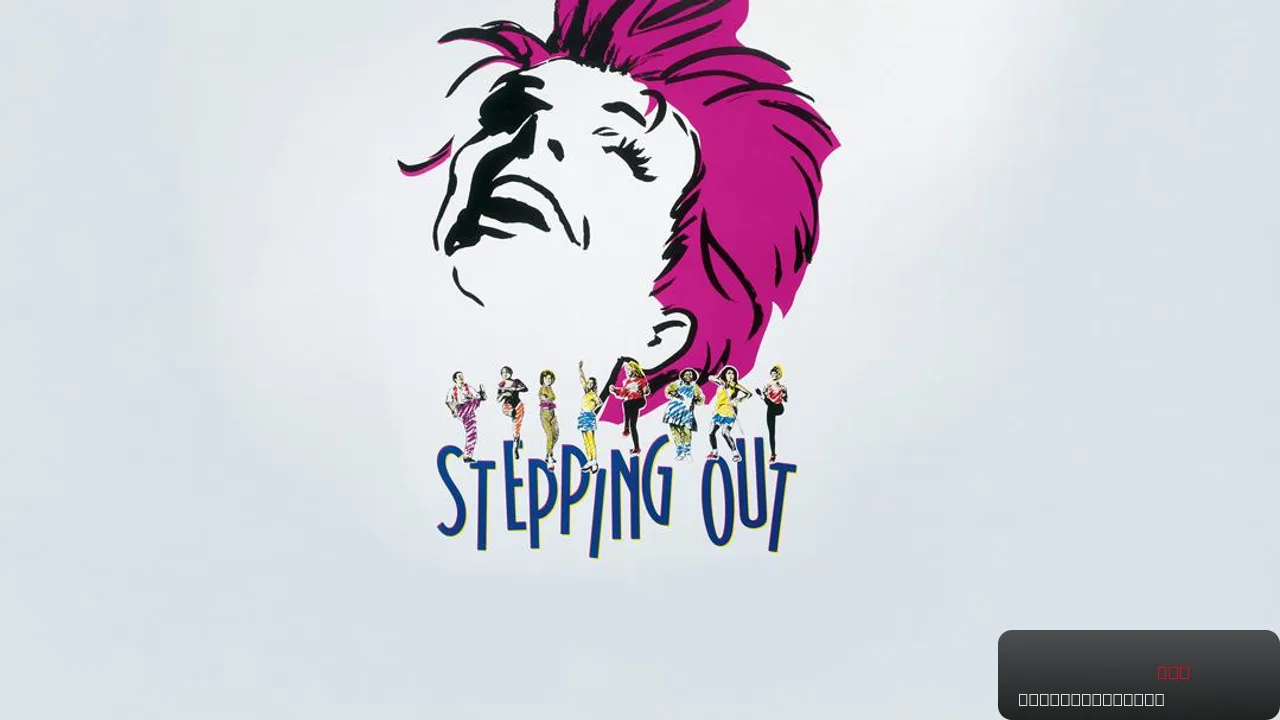
Film came to him gradually, and the roles that landed tended to reflect his range rather than flatten it. His appearance in Stepping Out in 1991 placed him inside a character-driven ensemble piece — the film, directed by Lewis Gilbert and based on Richard Harris's stage play, follows a group of amateur tap dancers preparing for a recital, and Irwin's presence in that cast speaks to his comfort working within ensemble structures where timing and restraint matter as much as individual showmanship. The film is a quiet, character-focused work, and it suits the kind of performer Irwin is: someone who does not need to dominate a scene to register in it. He has always understood that stillness can carry as much information as movement.
Over the decades, Irwin moved between film, television, and theater without appearing to prioritize one over the others. Screen audiences encountered him in projects as varied as the Coen Brothers' Interstellar-adjacent drama The Skeleton Twins, Rachel Getting Married, and the long-running television series CSI: NY. Perhaps his most widely seen film performance came in Robert Zemeckis's How the Grinch Stole Christmas and, more significantly, in the same director's adaptation of Edward Albee's Who's Afraid of Virginia Woolf — though his stage version of that play remains the more discussed. His role as Mr. Noodle on the children's television program Elmo's World brought him into millions of households in a way that his experimental theater work never could, and he committed to those segments with the same seriousness he brought to Albee.
Stepping Out remains a useful entry point for viewers discovering Irwin through this database, because it captures something essential about how he operates on screen — present, grounded, and attentive to the ensemble around him rather than angling for the camera. His career does not follow a conventional arc of rising stardom and franchise attachment. It follows the work. He takes parts that interest him, returns to the stage when the material demands it, and brings a physical intelligence to every project that most directors are simply lucky to have in the room. At a point in American film culture when physical performance has largely been outsourced to digital effects, Irwin remains a practitioner of something older and harder to fake.
Currently streaming
3 of 6 on platforms

Filmography



Frequently asked questions
When and where was Bill Irwin born?
Bill Irwin was born 1950-04-11 in Santa Monica, California, USA .
What films is Bill Irwin known for?
Bill Irwin has 6 titles indexed on Movie OTT, including High Tide, Spoiler Alert, Irresistible.
Where can I watch Bill Irwin's films?
3 of Bill Irwin's films are currently streaming, available on Criterion Channel, Filmin, Hulu, Netflix.
How long has Bill Irwin been active?
Bill Irwin's film career on Movie OTT spans from 1991 to 2024 — 33 years of work.