Actor
Brian Robertson
2 films on Movie OTT · Active 2018–2022
Brian Robertson was born on 12 September 1956 in Clarkston, Scotland, and spent his formative years carving out a reputation as one of rock's most technically assured guitarists. He's probably best known to music audiences for his tenure with Thin Lizzy during the band's commercial peak in the mid-to-late 1970s — a run that produced some of the most recognisable twin-guitar work in British hard rock. Robertson joined Thin Lizzy in 1974 at just seventeen, replacing Gary Moore, and the chemistry he developed with Scott Gorham gave the band a sound that didn't quite belong to any single genre. Hard rock, yes. But also something looser and more melodic than the term usually implies.
About Brian Robertson
Brian Robertson was born on 12 September 1956 in Clarkston, Scotland, and spent his formative years carving out a reputation as one of rock's most technically assured guitarists. He's probably best known to music audiences for his tenure with Thin Lizzy during the band's commercial peak in the mid-to-late 1970s — a run that produced some of the most recognisable twin-guitar work in British hard rock. Robertson joined Thin Lizzy in 1974 at just seventeen, replacing Gary Moore, and the chemistry he developed with Scott Gorham gave the band a sound that didn't quite belong to any single genre. Hard rock, yes. But also something looser and more melodic than the term usually implies.
The defining chapter of Robertson's career is almost inseparable from Thin Lizzy's 1976 album Jailbreak and the touring machine the band became in its wake. That record — and the live recordings that followed — established Robertson as a player with real compositional instincts, not just a technician. His work on tracks like "Emerald" demonstrated a willingness to push into territory that felt genuinely dangerous for the era, where the dual-guitar arrangements could shift from delicate to ferocious within a few bars. What's striking is how little Robertson's contributions to that period have been reassessed critically, given how directly they influenced the wave of twin-guitar bands that came after. He left Thin Lizzy in 1978 following a hand injury sustained in a bar fight — an exit that felt abrupt even at the time — and went on to form Wild Horses before a series of collaborations that kept him active through the 1980s and beyond.
Robertson's musical partnerships have always carried a certain weight. His work alongside Phil Lynott sits at the centre of his legacy, and it's a collaboration that can't easily be separated from the mythology that built up around Lynott himself — the charismatic Irish-Nigerian frontman who died in 1986 and whose influence on rock has only grown in the decades since. Robertson also spent time working with Motörhead during the early 1990s, a stint that suited his appetite for volume and directness. He's never been a musician who softened his approach for commercial reasons, which probably explains why his post-Thin Lizzy career has been more critically respected than commercially prominent.
That connection to Phil Lynott brought Robertson back into a specifically cinematic frame with Phil Lynott: The Long Goodbye, the 2022 documentary directed by Emer Reynolds. Robertson appears in the film as himself — part of the circle of musicians, friends, and collaborators who collectively reconstruct Lynott's life, his struggles with addiction, and the complicated legacy he left behind. Phil Lynott: The Long Goodbye doesn't treat its subject gently, and Robertson's presence in it carries the particular weight of someone who was actually there, in the rooms and on the stages where the story happened. Hard to say if the film fully captures the texture of what it meant to play alongside Lynott night after night, but it gets closer than most attempts have.
Robertson's screen appearances have been limited — he's a musician first, and that's never really been in question. But his involvement in Phil Lynott: The Long Goodbye points toward something worth noting: that the documentary form has become one of the more honest ways for rock history to be told, especially when the principal subjects are no longer alive to speak for themselves. Robertson brings a specificity to the film that archival footage alone can't provide. Whether he'll appear in further screen projects is an open question — his primary work remains in music — but the 2022 documentary gave a new generation of viewers a direct line to one of the more underexamined figures in British rock's golden decade.
Currently streaming
2 of 2 on platforms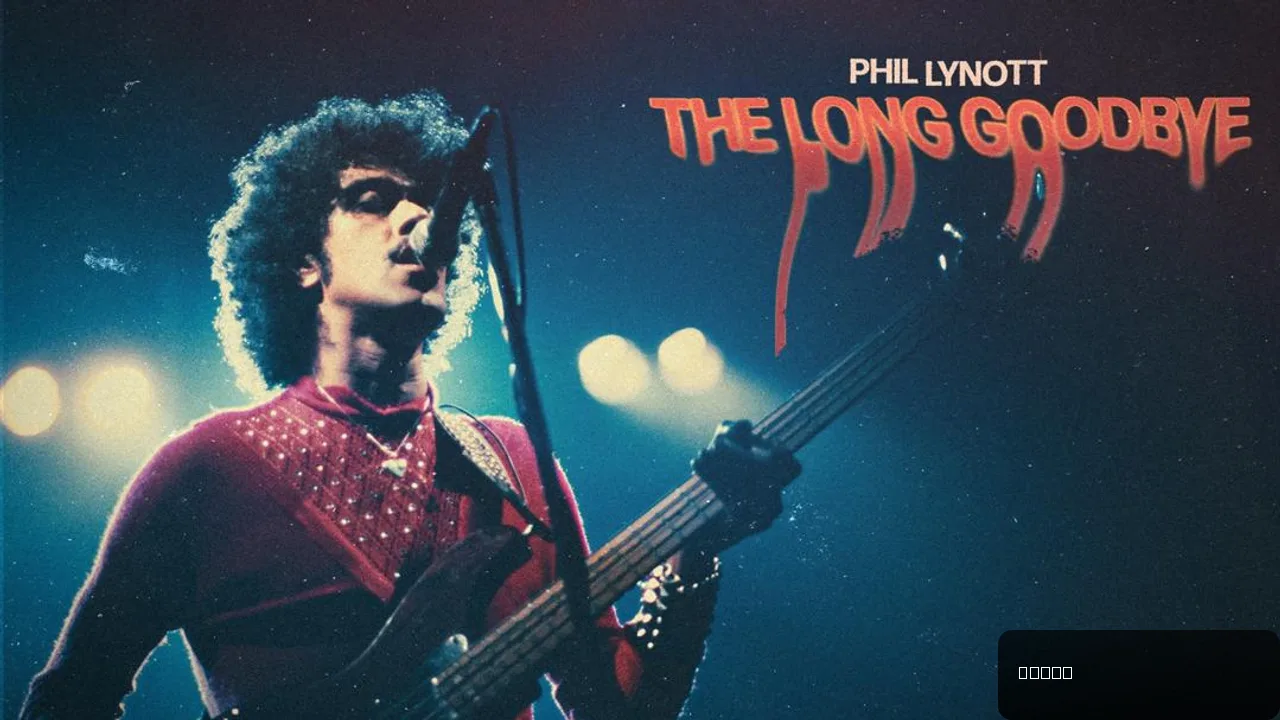

Filmography
Frequently asked questions
When and where was Brian Robertson born?
Brian Robertson was born 1956-09-12 in Clarkston, Scotland.
What films is Brian Robertson known for?
Brian Robertson has 2 titles indexed on Movie OTT, including Phil Lynott: The Long Goodbye, Thin Lizzy: Rocker on the Loose.
Where can I watch Brian Robertson's films?
2 of Brian Robertson's films are currently streaming, available on Prime Video.