Actor & Director
Budd Boetticher
5 films on Movie OTT · 4 as director · Active 1951–2007
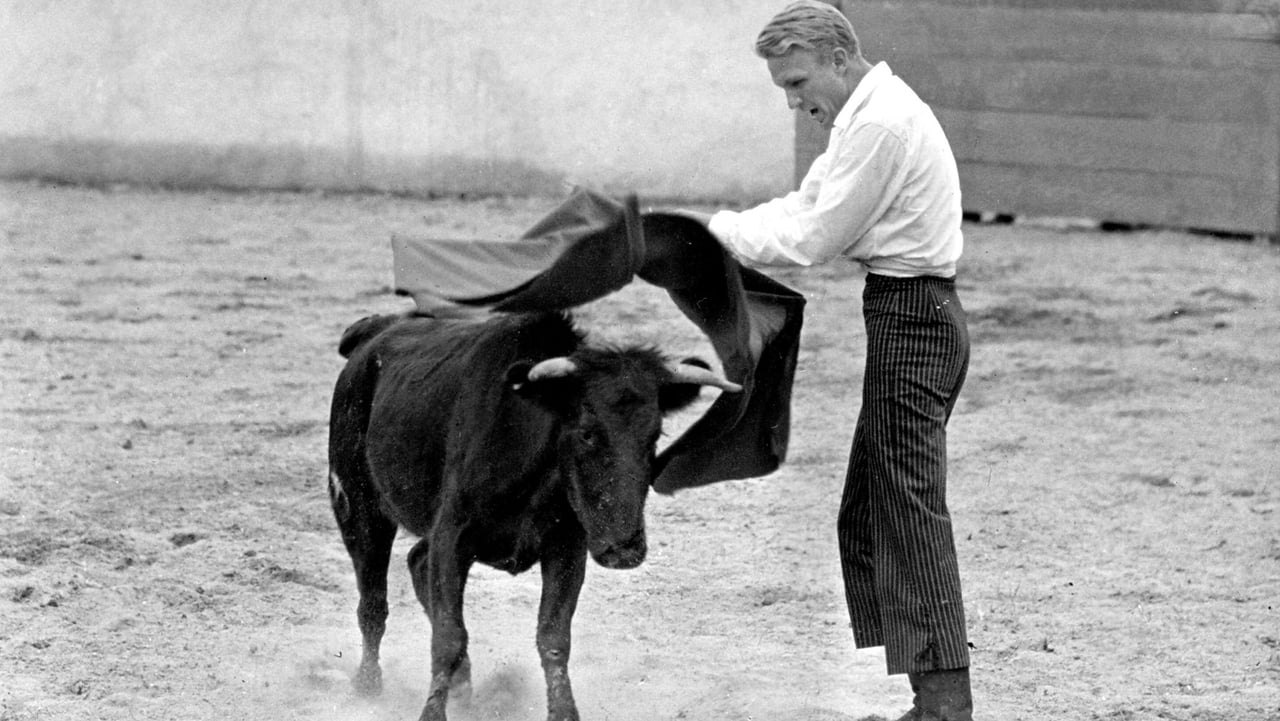
Budd Boetticher was an American film director whose career cut an unusual path through Hollywood — from bullfighting arenas in Mexico to the backlots of Columbia Pictures, where he quietly built one of the most distinctive bodies of work in postwar American cinema. Born in Chicago on July 29, 1916, he came to filmmaking sideways, spending time in Mexico as a young man studying under the matador Lorenzo Garza, an experience that gave his later westerns their particular quality: a fascination with men who perform violence as a kind of ritual, with codes of conduct that exist outside the law but aren't quite lawless either.
About Budd Boetticher
Budd Boetticher was an American film director whose career cut an unusual path through Hollywood — from bullfighting arenas in Mexico to the backlots of Columbia Pictures, where he quietly built one of the most distinctive bodies of work in postwar American cinema. Born in Chicago on July 29, 1916, he came to filmmaking sideways, spending time in Mexico as a young man studying under the matador Lorenzo Garza, an experience that gave his later westerns their particular quality: a fascination with men who perform violence as a kind of ritual, with codes of conduct that exist outside the law but aren't quite lawless either.
His name is inseparable from a run of low-budget westerns he made between 1956 and 1960, most of them starring Randolph Scott and produced by Scott's partner Harry Joe Brown. The Ranown cycle, as film historians came to call it, includes Seven Men from Now, The Tall T, Ride Lonesome, and Comanche Station — films that don't look expensive, don't try to be, and are better for it. What's striking is how much moral weight Boetticher packed into roughly 75 minutes of screen time per picture: the villains are often more articulate than the heroes, the landscape is hostile in ways that feel almost philosophical, and Scott's stoic presence functions less like a character than a fixed point around which everyone else orbits. Screenwriter Burt Kennedy shaped most of these scripts, and the Boetticher-Kennedy-Scott collaboration produced something that critics in France recognized before American audiences did — the Cahiers du Cinéma crowd wrote about Boetticher with genuine seriousness while Hollywood largely filed him under B-pictures.
He didn't work only in westerns, though that's where his reputation settled. Boetticher directed crime pictures, bullfighting dramas, and studio assignments across genres throughout the 1950s. The thing nobody mentions is how technically controlled his framing was even on rushed schedules — he understood negative space in a composition the way a matador understands distance from the bull. His 1951 film The Bullfighter and the Lady drew on his own Mexican experience directly, and it's one of the few Hollywood films about that world that doesn't feel like tourism. John Ford, who re-cut the film for its release, reportedly admired it.
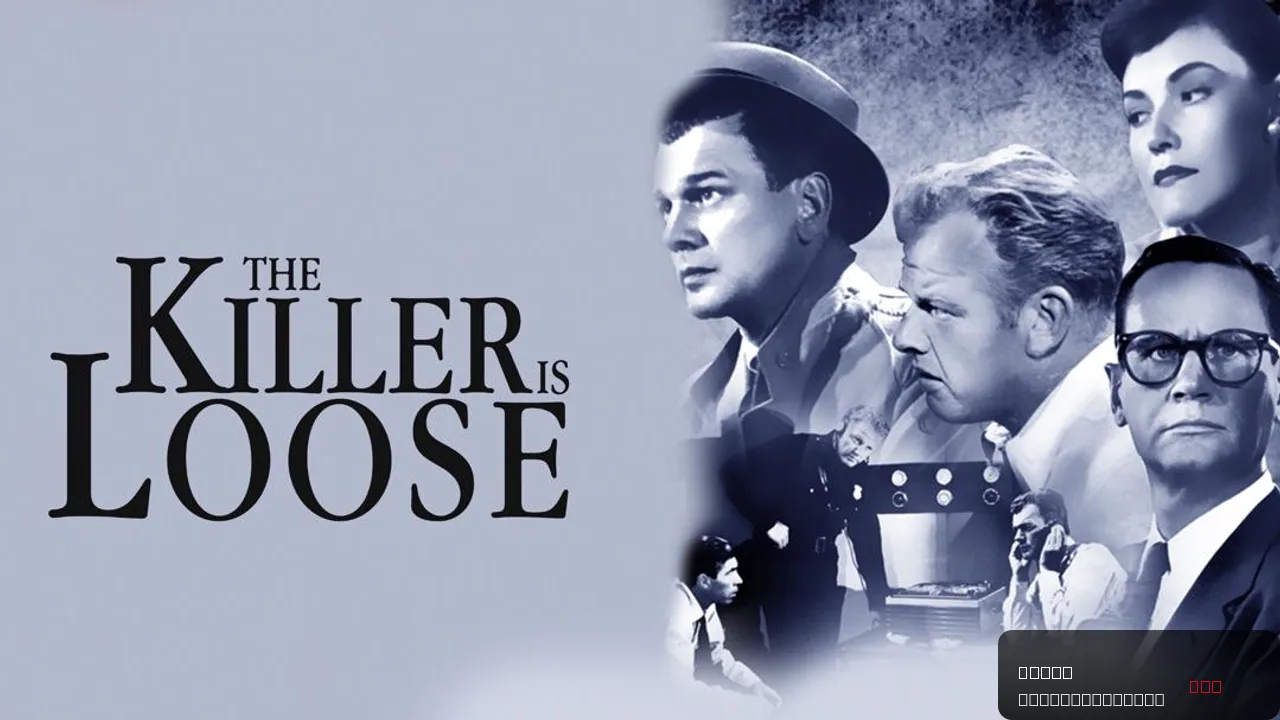
The 1956 thriller The Killer Is Loose sits slightly apart from the Ranown westerns but shows the same preoccupations in a different register. A procedural on the surface, the film follows a disturbed bank robber — played by Wendell Corey — whose methodical, almost affectless pursuit of revenge against the detective who accidentally killed his wife gives the picture a cold, unsettling quality that anticipates later psychological crime films. Corey's performance is genuinely strange (in the best way), and Boetticher gives him room to be threatening without ever quite explaining him. The Killer Is Loose didn't make much noise on release, but it holds up as a tight, uncomfortable piece of work that rewards attention.
After the Ranown cycle ended, Boetticher spent most of the 1960s in Mexico trying to make a documentary about the bullfighter Carlos Arruza — a project that consumed nearly a decade of his life, involved serious personal hardship, and eventually became the 1972 film Arruza. Hard to say if any director has ever sacrificed more for a single documentary. He returned to feature filmmaking sporadically afterward, but the concentrated output of the late 1950s remained his defining period. His place in film history is secure, if quieter than it deserves to be: a craftsman who worked fast, thought carefully, and made genre pictures that turned out to be something more.
Currently streaming
2 of 5 on platforms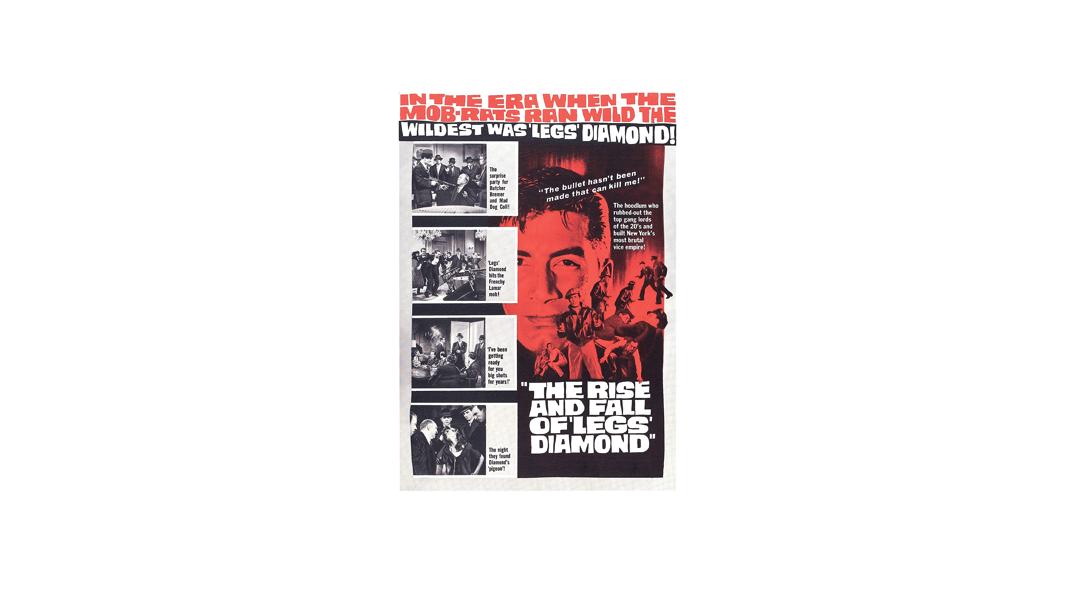
Filmography
Frequently asked questions
When and where was Budd Boetticher born?
Budd Boetticher was born 1916-07-29 in Chicago, Illinois, United States.
What films is Budd Boetticher known for?
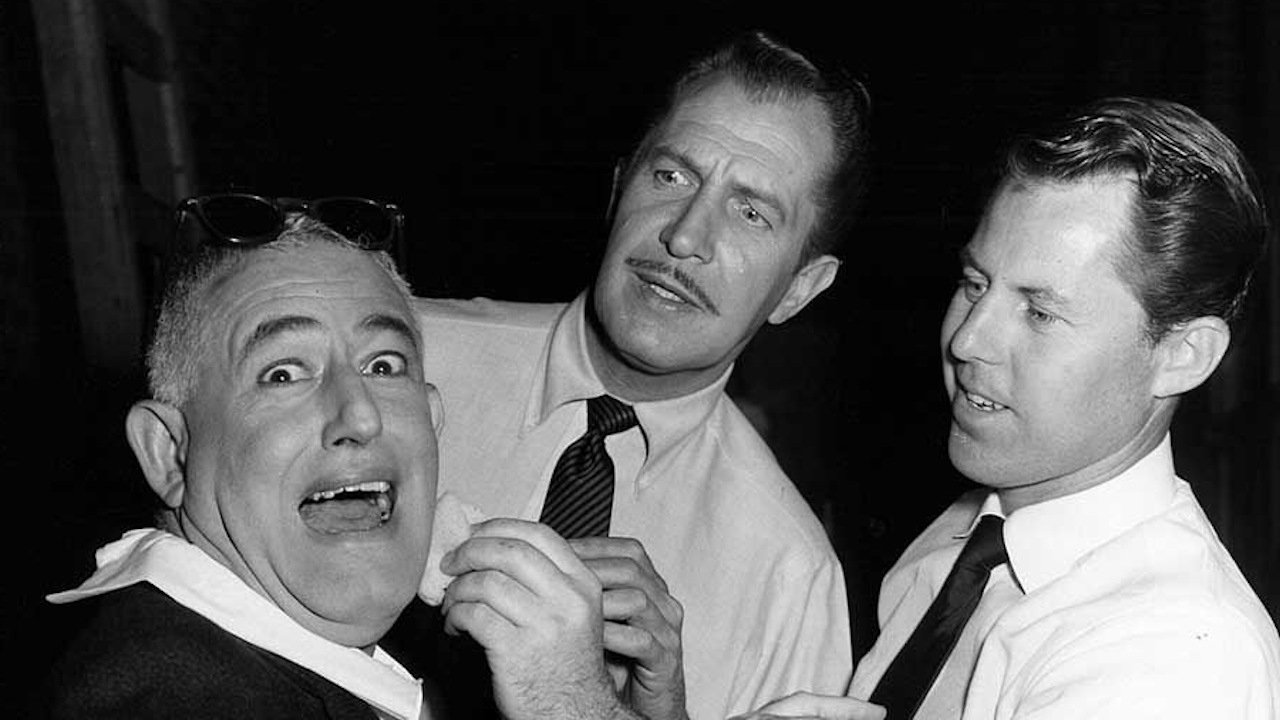
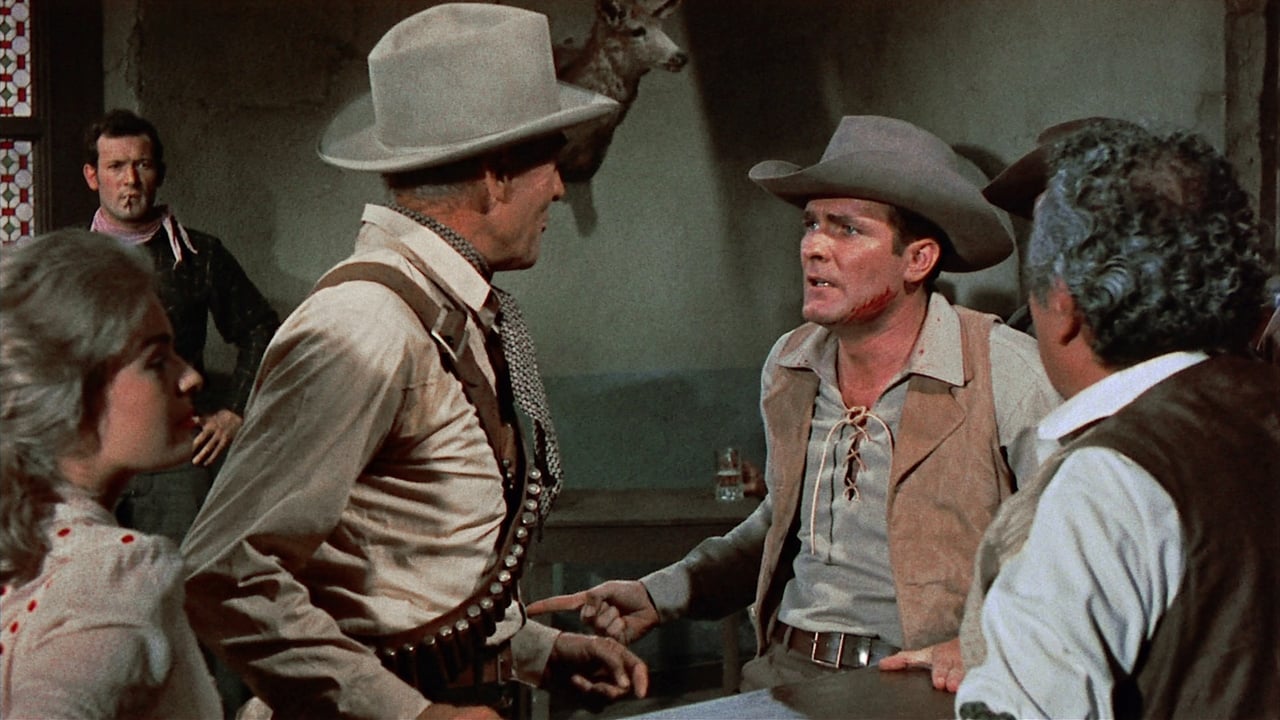
Budd Boetticher has 5 titles indexed on Movie OTT, including Spine Tingler! The William Castle Story, The Rise and Fall of Legs Diamond, Buchanan Rides Alone.
Where can I watch Budd Boetticher's films?
2 of Budd Boetticher's films are currently streaming, available on HBO Max Amazon Channel, Max, Plex, Tubi TV.
Has Budd Boetticher directed any films?
Yes — Budd Boetticher has 4 directorial credits indexed on Movie OTT.
How long has Budd Boetticher been active?
Budd Boetticher's film career on Movie OTT spans from 1951 to 2007 — 56 years of work.