Actor
Daisuke Ono
10 films on Movie OTT · Active 2011–2026
Daisuke Ono is one of the most recognizable voice actors working in Japanese animation and media, born on May 4, 1978, in Sakawa, Kochi — a small town in Shikoku that doesn't exactly scream "entertainment industry pipeline," which makes his trajectory all the more interesting. He built his career through the mid-2000s and into the 2010s, accumulating a body of work across anime, video games, and audio drama that would eventually make him one of the most in-demand performers at major studios like Mausu Promotion.
About Daisuke Ono
Daisuke Ono is one of the most recognizable voice actors working in Japanese animation and media, born on May 4, 1978, in Sakawa, Kochi — a small town in Shikoku that doesn't exactly scream "entertainment industry pipeline," which makes his trajectory all the more interesting. He built his career through the mid-2000s and into the 2010s, accumulating a body of work across anime, video games, and audio drama that would eventually make him one of the most in-demand performers at major studios like Mausu Promotion.
The role that genuinely changed things for Ono was Sebastian Michaelis in Black Butler (Kuroshitsuji), which premiered in 2008. Sebastian — a demon butler of impeccable composure and quietly unsettling menace — demanded a performer who could hold a kind of velvet-covered tension in every line, and Ono delivered that with enough consistency across multiple seasons and spin-off content that the character became synonymous with his voice. What's striking is how rarely actors find a single role that both showcases range and locks them into a public identity at the same time; Sebastian did exactly that for Ono, and the fan response was immediate and sustained. Around the same period, he was also voicing Shintaro Kisaragi in Mekakucity Actors and Erwin Smith in Attack on Titan — the latter a commanding, morally complicated military strategist whose speeches in the series (episode 31's charge sequence is the one people still talk about) required a different register entirely, something closer to controlled desperation than Sebastian's cool detachment.
Ono's career has consistently pulled toward characters who carry authority without warmth — commanders, antagonists, figures with an agenda they're not fully disclosing. That's not a coincidence. He's collaborated repeatedly with directors and franchises that lean into psychological tension, and his voice work in the Fate series, JoJo's Bizarre Adventure (as Dio Brando, a role that became its own cultural shorthand among anime fans), and various visual novel adaptations all sit in that same register of coiled, deliberate menace. Hard to say if that's typecasting or just producers recognizing a genuine strength and using it. Either way, the pattern holds across nearly two decades of output. He can't easily be accused of playing it safe — Dio Brando alone required a kind of theatrical commitment that most voice actors don't get the opportunity to attempt.
His recent work includes a return to the tokusatsu-adjacent world with Fuuto PI: The Portrait of Kamen Rider Skull (2024), a project that connects to the long-running Kamen Rider franchise and places Ono in a role — Kamen Rider Skull — that carries its own pre-existing mythology and fan expectations. Fuuto PI itself sits in an interesting space, part neo-noir detective story and part franchise extension, and the character of Skull (whose real identity is Sokichi Narumi) is one with genuine emotional weight in the source material. Ono's involvement signals that the production wasn't treating the project as a throwaway spinoff. The thing nobody mentions enough about franchise voice work like this is how much of it depends on an actor's ability to honor what existing fans already hear in their heads while still making the performance feel inhabited rather than performed. Whether Fuuto PI: The Portrait of Kamen Rider Skull fully lands that balance is something viewers will judge for themselves, but Ono's casting wasn't arbitrary.
At this point in his career, Ono occupies a particular tier in the Japanese voice acting world — not the kind of performer whose name appears above the title in mainstream press, but absolutely the kind whose casting in a project signals something about its ambitions. He's not coasting. The Fuuto PI work suggests he's still willing to step into franchise material with specific audience expectations, which takes a different kind of confidence than original productions. His output across the 2020s has been selective enough to suggest he's choosing rather than simply accepting, which — for someone who came up through the grinding mid-2000s anime boom — is its own kind of accomplishment.
Currently streaming
5 of 10 on platforms
Miss Kobayashi's Dragon Maid: A lonely dragon wants to be loved
2026 · Netflix, Netflix Standard with Ads +1
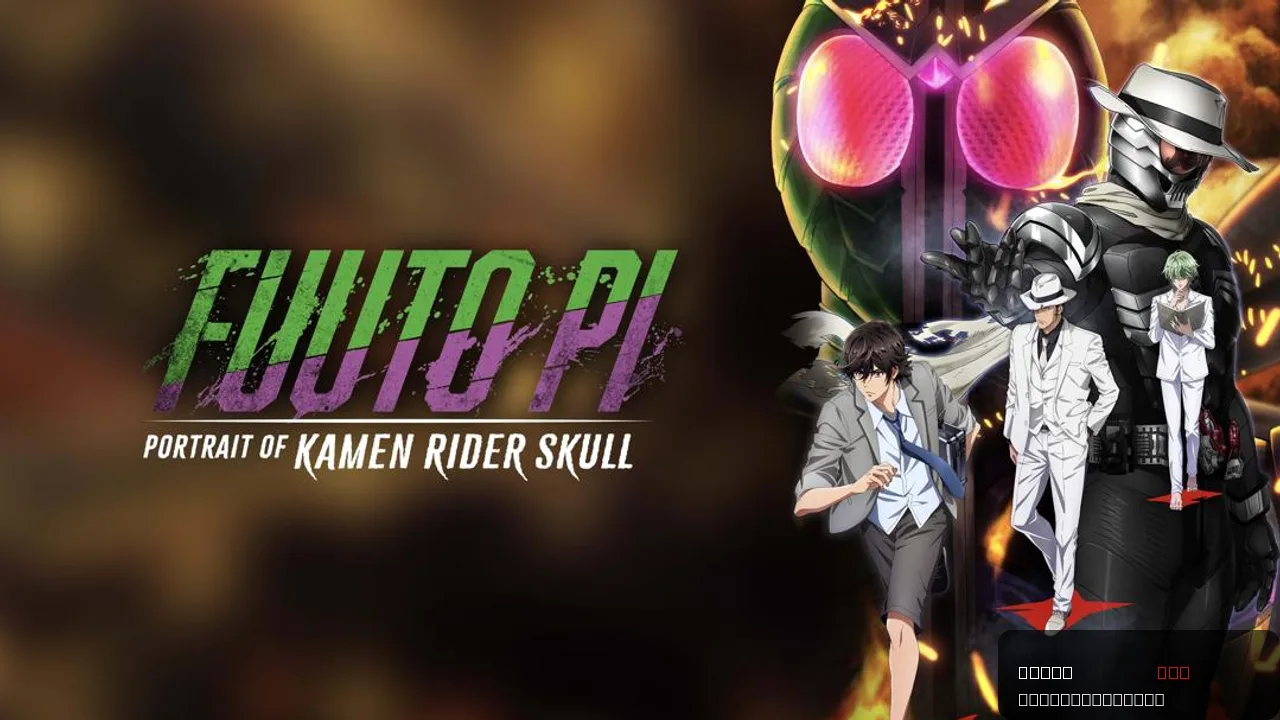
Fuuto PI: The Portrait of Kamen Rider Skull
2024 · Crunchyroll, Crunchyroll Amazon Channel +1
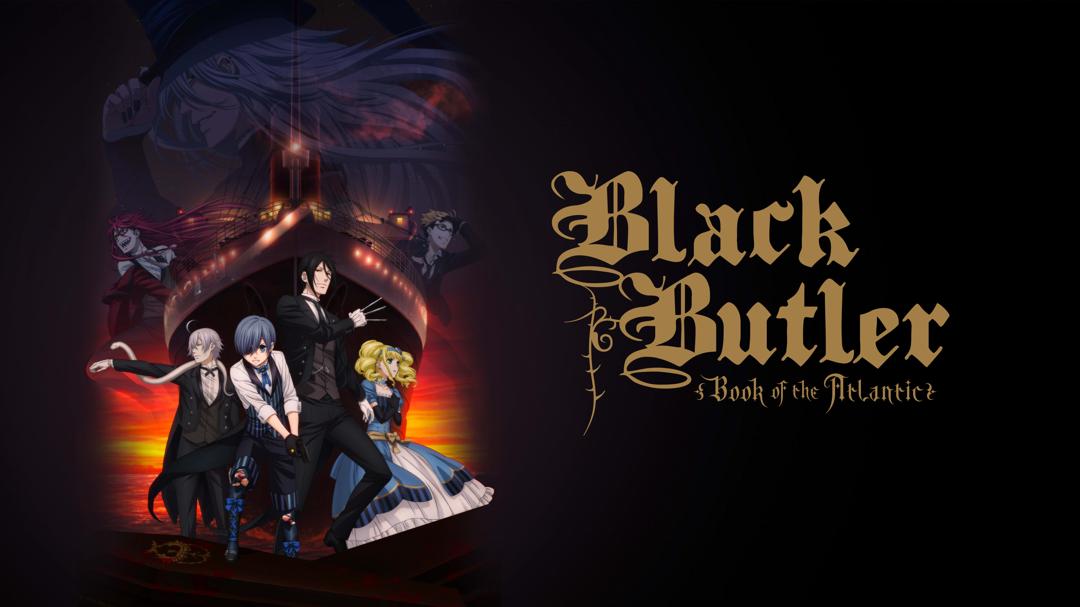
Black Butler: Book of the Atlantic
2017 · Animation Digital Network, Anime Digital Network Amazon Channel +14

Mr. Osomatsu: An Anecdote With Horses
2016 · Prime Video

The Princess and the Pilot
2011 · Crunchyroll
Filmography
Miss Kobayashi's Dragon Maid: A lonely dragon wants to be loved
2026 · Cast

ヤマトよ永遠に REBEL3199 第六章 碧い迷宮
2026 · 古代 進
Fuuto PI: The Portrait of Kamen Rider Skull
2024 · Cast
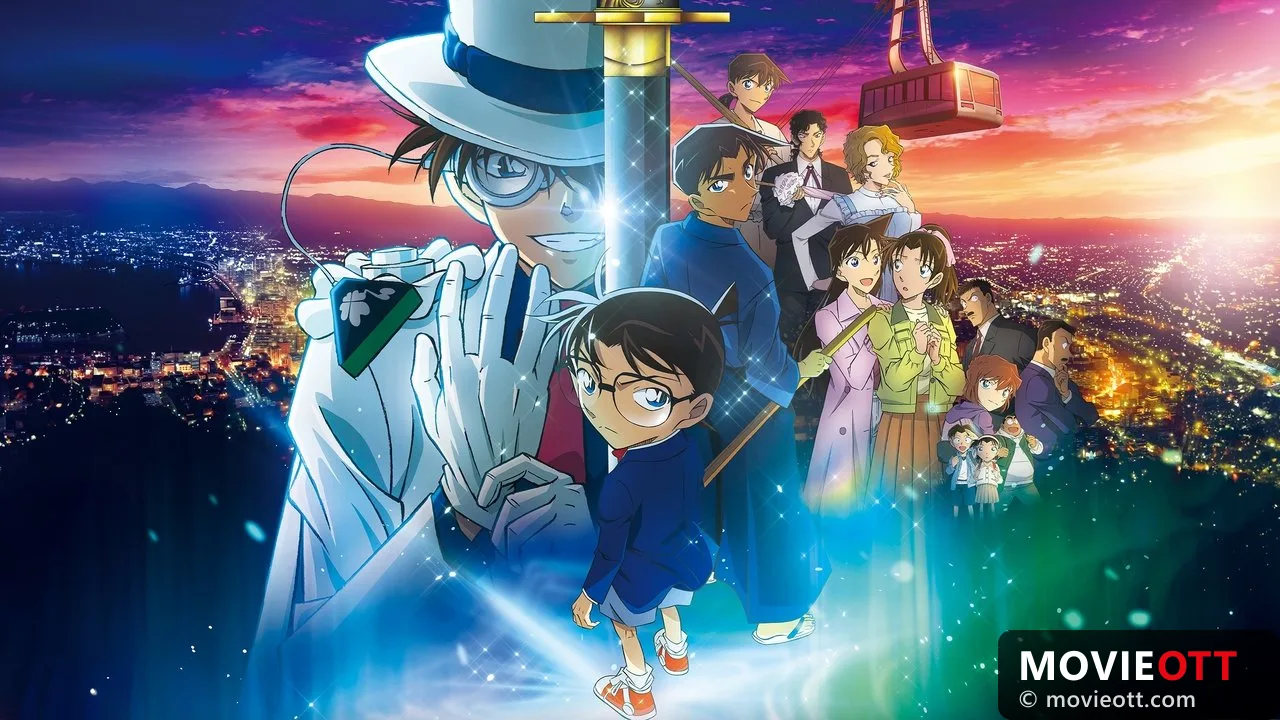
Detective Conan: The Million-Dollar Pentagram
2024 · Muga Iori (voice)

Be Forever Yamato: Rebel 3199: Part 1: Dark Invasion
2024 · Kodai Susumu (voice)
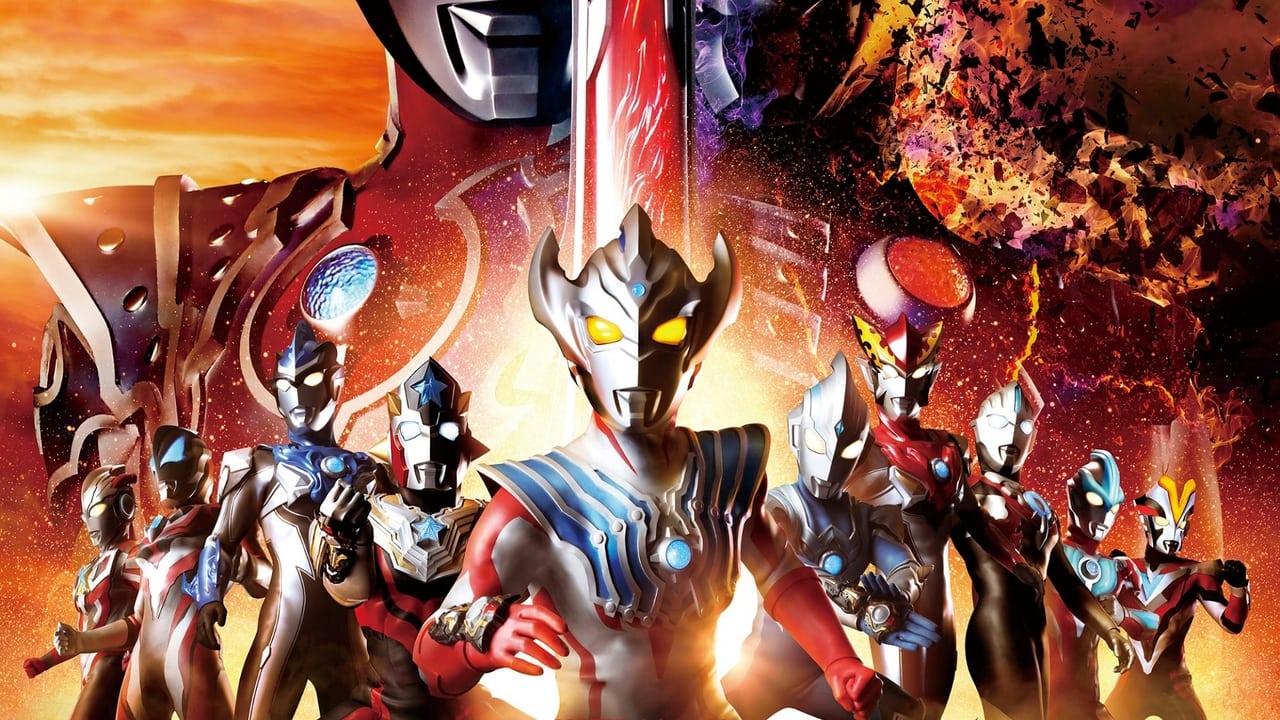
Ultraman Taiga The Movie: New Generation Climax
2020 · Narrator
Black Butler: Book of the Atlantic
2017 · Cast
Mr. Osomatsu: An Anecdote With Horses
2016 · Cast

Space Battleship Yamato 2199: Odyssey of the Celestial Ark
2014 · Susumu Kodai (voice)
The Princess and the Pilot
2011 · Cast
Frequently asked questions
When and where was Daisuke Ono born?
Daisuke Ono was born 1978-05-04 in Sakawa, Kochi, Japan.
What films is Daisuke Ono known for?
Daisuke Ono has 10 titles indexed on Movie OTT, including Miss Kobayashi's Dragon Maid: A lonely dragon wants to be loved, ヤマトよ永遠に REBEL3199 第六章 碧い迷宮, Fuuto PI: The Portrait of Kamen Rider Skull.
Where can I watch Daisuke Ono's films?
5 of Daisuke Ono's films are currently streaming, available on Netflix, Netflix Standard with Ads, Crunchyroll, Crunchyroll Amazon Channel.
How long has Daisuke Ono been active?
Daisuke Ono's film career on Movie OTT spans from 2011 to 2026 — 15 years of work.